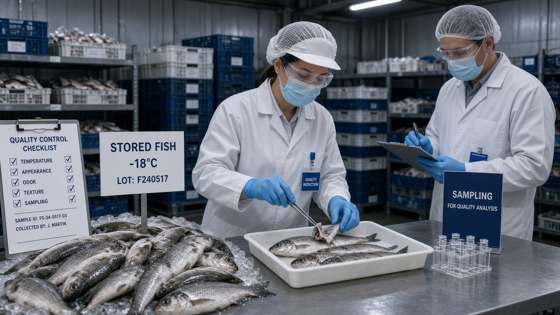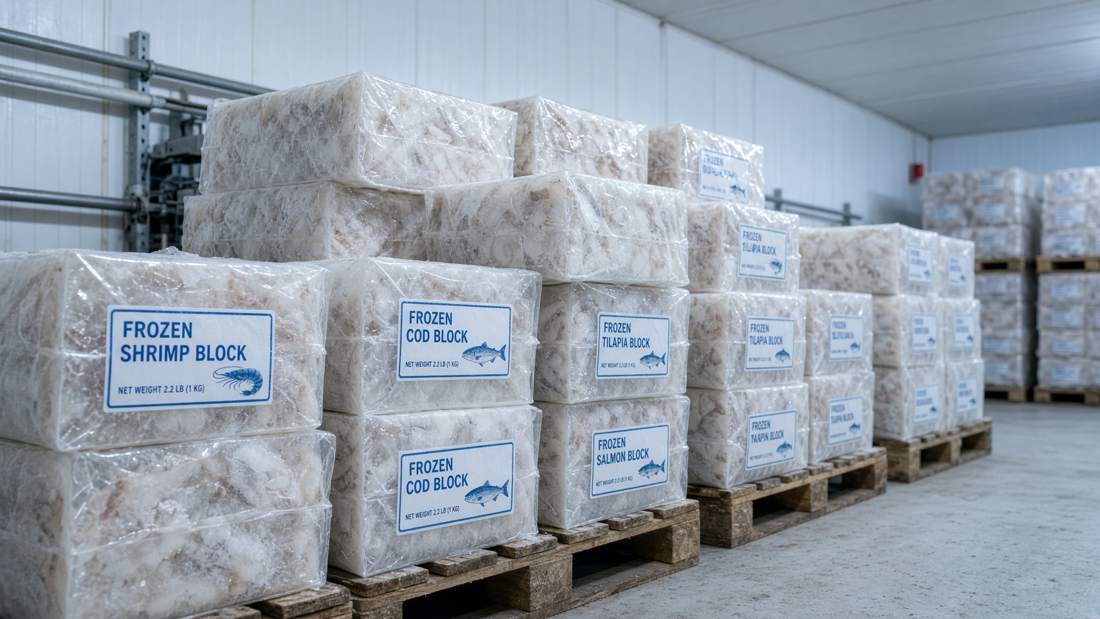
HACCP basics for seafood businesses sound like a topic for processors, yet the system quietly shapes almost every piece of fish you buy in the United States. HACCP stands for Hazard Analysis and Critical Control Points. In plain terms, it is a written plan that makes a seafood company find the points where something can go wrong, then control them before the product reaches you.
Why seafood has its own rules
The FDA requires processors and importers of fish and fishery products to follow a seafood HACCP program. The agency explains the framework on its seafood HACCP page, and its technical handbook is the Fish and Fishery Products Hazards and Controls Guidance. You do not need to read either one to shop well, but knowing the system exists helps you ask better questions.
The hazards the system watches for
Seafood has some risks that are unusual compared with other foods. The main ones that matter at the dinner table are:
- Histamine in certain fish such as tuna, mahi-mahi and mackerel, which forms when the fish gets too warm after catch and cannot be removed by cooking or freezing. See histamine and scombroid poisoning prevention.
- Bacteria and viruses in raw shellfish, especially oysters, which filter water as they feed.
- Natural toxins such as those behind ciguatera and shellfish poisoning, which come from the environment.
- Parasites in some raw fish, which is why freezing rules exist for fish served raw.
- Allergens and undeclared ingredients, which are a labelling concern.
What a critical control point looks like
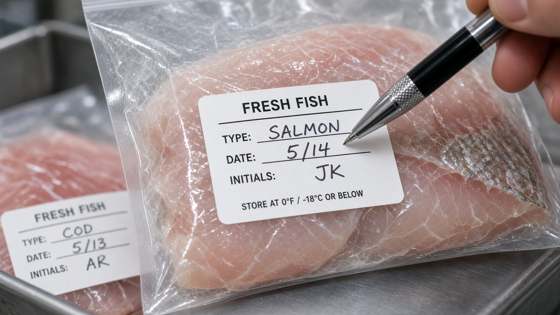
A critical control point is a step where a failure would make food unsafe, and it must be measured. For fresh tuna, it might be the temperature at receipt. For oysters, it might be the harvest area tags. For smoked fish, it might be the time and temperature of processing. Each control has a limit, a way of checking it, and a written record. The records are what inspectors review.
What this means when you shop
Look for signs of a careful seller
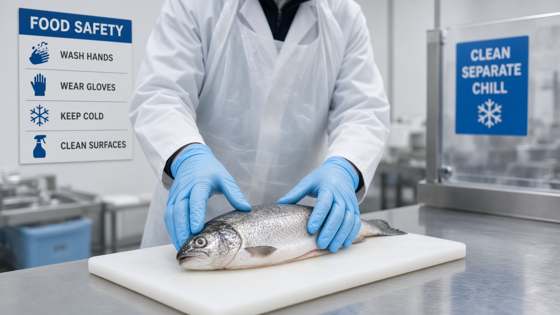
You cannot see a HACCP plan from the counter, but you can see its results. Fish should sit on clean ice or in a case that is clearly cold, with no standing water, strong odor or mixed raw and cooked items touching. Staff should wear gloves, use separate tools and answer questions easily. The display case temperature standards article shows what a good case looks like.
Ask the right questions
- When did this arrive, and was it ever frozen?
- Is this suitable for eating raw?
- Where were these shellfish harvested, and do you have the tags?
- How should I store it, and for how long?
Shellfish tags from the harvester are one of the visible parts of the system. Retailers keep them on file, and a good seller will show you where the product came from. The Interstate Shellfish Sanitation Conference at issc.org publishes background on how shellfish safety programs work.
Home is the last control point
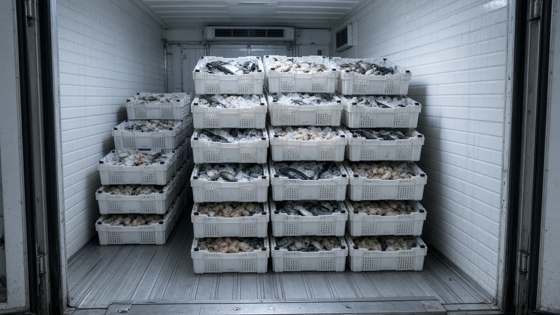
Even the best plan ends when you walk out the door. At home, you become the final control: keep fish at 40 degrees F or colder, cook to 145 degrees F where appropriate, and avoid cross-contact. Our guide to the cold chain from boat to plate traces the temperature path before it gets to you.
A basic grasp of HACCP basics for seafood businesses will not turn you into an inspector, but it gives you a short list of signs and questions for choosing a safer fish seller.