A lobster in a store tank is breathing dissolved oxygen, and when that supply drops it weakens fast, which is why oxygenation systems for live tanks matter to anyone buying live seafood. Oxygen decides whether the animal you take home is lively and full of meat or tired and already declining. You can read the signs of a good system from the shop floor.
How Oxygenation Systems for Live Tanks Work
Fish, lobsters, and crabs pull oxygen from the water through their gills, and the water holds only a small amount of it. Warm water holds less than cold water, and every animal in the tank uses some. Stores replace what is used in a few ways.
- Air pumps and air stones push fine bubbles through the water, which adds oxygen and moves the water around.
- Water pumps and spray bars splash water at the surface, so more air dissolves into it.
- Pure oxygen feeds are used in some larger systems or for transport, because oxygen dissolves more readily than ordinary air.
- Chillers keep the water cold, which helps it hold more oxygen and keeps lobsters calm.
Filtration works alongside all of this. Filters remove waste that would otherwise use up oxygen as it breaks down, so a clean tank and a well-oxygenated tank usually go together.
Reading the Signs at the Tank
You do not need to see the equipment. Look for steady movement or bubbling in the water, and check how the animals behave.
- Fish gasping near the surface or breathing fast suggest low oxygen.
- Lobsters and crabs that are limp, lying on their sides, or do not react when touched are in trouble.
- A tank with no visible water movement, a warm temperature, and lots of crowded animals is a poor sign.
Our piece on water quality for live seafood holding covers the other half of this check, which is clarity and smell.
Oxygen on the Way Home
Once you leave the store, the tank is gone and you are the life support. Live lobsters and crabs do not need to be in water for a short trip. They need to stay cold, damp, and able to breathe air through their gills, which stay moist. Live fish and some shellfish sold in bags are a different case, so follow the seller's packing instructions.
- Ask the seller to wrap lobsters and crabs in damp paper or put them in a breathable bag, not a sealed plastic one.
- Do not submerge them in tap water or fresh water, which can kill saltwater animals.
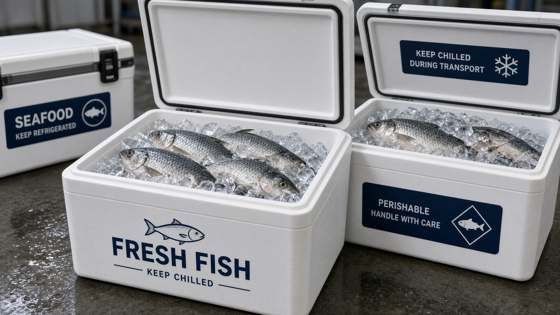
- Carry them in a cooler or with an ice pack, keeping the animals off direct contact with the ice.
- Get them into the refrigerator as soon as you are home, and cook within a day.
The step-by-step care for lobsters and crabs is in our guide to live lobster and crab care.
Why It Affects Your Plate
Animals that spend time in low-oxygen water use up their energy reserves, and that tends to show in the cooked result: thinner meat and less sweetness. Shellfish and fish that die in the tank should be removed quickly, and you should never buy an animal that has died, since quality drops rapidly after death. If a seller cannot explain how long stock has been in the tank, that is a sign to look elsewhere.
If you want to read more about buying seafood well, the FDA's advice about eating fish and NOAA's FishWatch are good starting points.
A Simple Rule of Thumb
If the water is moving, cold, and clean, and the animals are active, the oxygen is probably fine. If any of those are missing, buy something else. Oxygenation systems for live tanks are invisible when they work, and the animals' behavior is the clearest report card you will get.