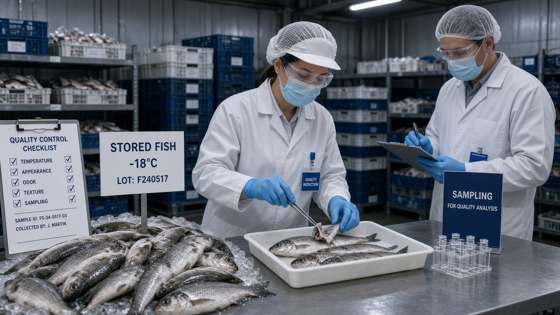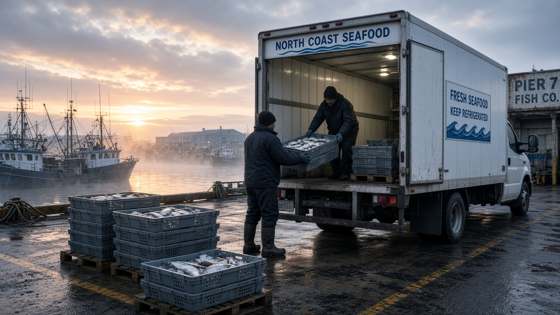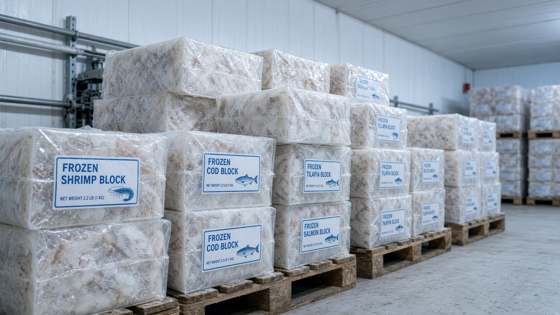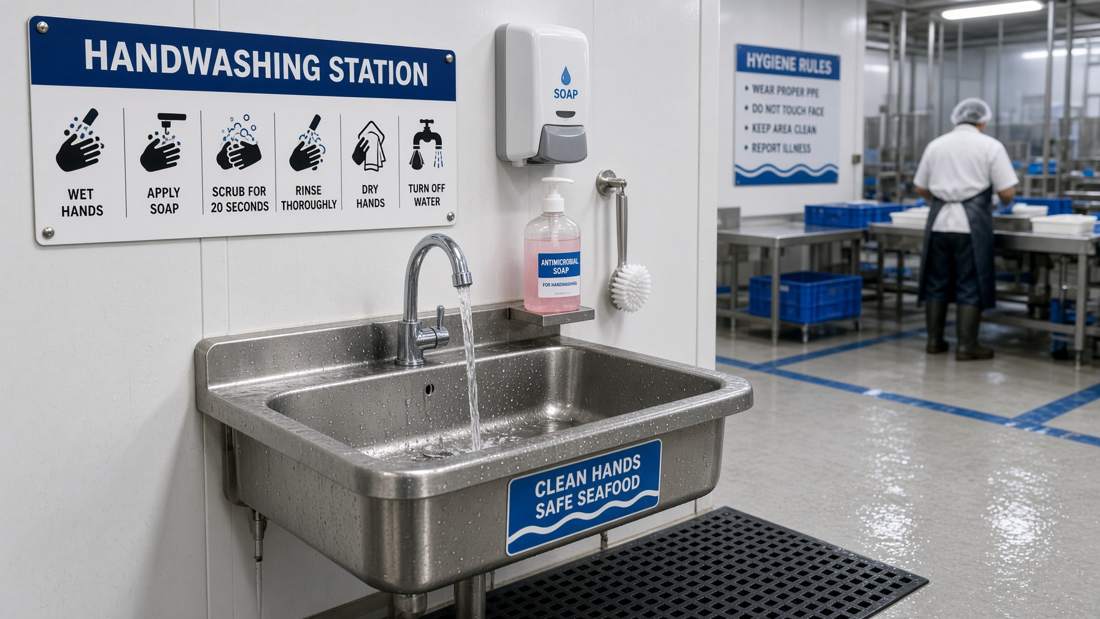
Seafood traceability is the ability to follow a fish or shrimp from where it was caught or raised, through processing and shipping, to the store where you buy it. It matters because seafood often passes through many hands and several countries, and without records, it is hard to prove the label is true.
How seafood traceability systems work
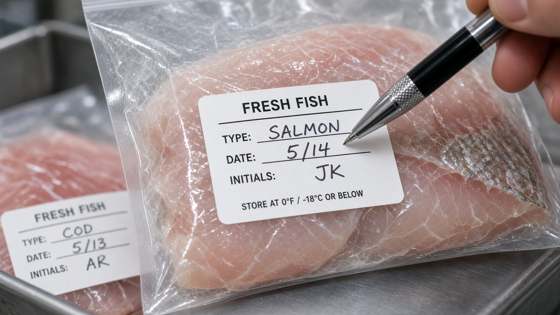
A traceability system links each step with a record. At the start, the vessel or farm records what was caught or harvested, when and where. Each time the product changes hands, the next company records what it received and what it shipped. This is usually done through lot numbers or batch codes printed on boxes and packages. If a problem appears, such as an illness outbreak or mislabeling, the codes let investigators trace the product back and forward to find affected lots.
Key pieces of seafood traceability information
- Species (common and scientific name)
- Harvest area or farm
- Harvest date and method (wild or farmed)
- Processor, importer and distributor details
- Lot or batch number and quantities
The US import monitoring program
A large share of the seafood eaten in the United States is imported. NOAA runs the Seafood Import Monitoring Program, which requires importers of certain species to report and keep records on where and how the fish was harvested. The aim is to keep illegally caught or falsely labeled seafood out of the supply chain. The list of covered species has been updated over time, so check NOAA's page for the current list rather than relying on a fixed list here.
What this means at the fish counter
Questions you can ask
- Where was this caught or farmed?
- Is there a lot number or supplier name on the case card or package?
- Does the store buy from suppliers with certified or audited sources?
A knowledgeable seller will answer, or find the answer. The basic US origin labeling rules are covered in country of origin labeling (COOL) explained, and the logos found on packs are decoded in reading seafood labels and certifications.
QR codes and sourcing pages
Some brands print a QR code or lot number that leads to a page showing the catch details. These can be useful, but they are only as reliable as the data behind them. The newer digital ledger approaches are described in blockchain for seafood provenance.
Where traceability breaks down
Records can be incomplete, especially when fish from several boats is mixed into one batch, or when a product is processed in one country and packed in another. A paper trail also cannot prove the fish inside the box is the species named; that needs testing. This is why traceability is paired with inspection and with consumer vigilance, as discussed in avoiding fraudulent seafood substitution. If a seller cannot give any origin details at all, that is a signal to buy elsewhere or choose a certified product instead.
Why it helps you
Traceability supports food safety (faster recalls), honest labeling (the fish is what it says it is) and sustainability (fish from legal sources). It does not guarantee taste or freshness on the day, so continue to use your senses and the tips in recognizing freshness in fish. For fishery information, FishWatch is a handy reference.
You do not need a technical background to benefit from seafood traceability. Ask where it came from, choose sellers who can show you, and be wary of products with vague wording and no source information at all.