Seafood substitution fraud happens when a cheaper fish is sold as a more expensive one, or a product is described as something it is not, and it is a well-documented problem around the world. As a shopper you cannot test fish at the counter, but you can spot many warning signs and make fraud less likely to land on your plate.
Why it happens
Many fish look alike once the skin and head are removed. Fillets of different white fish can be almost identical, and fish passes through several companies before it reaches you. Where there is a big price gap between two similar fish, the temptation is to swap. Mislabeling is not always deliberate; a mix-up or vague naming can also be at fault, but you pay the price either way.
Commonly swapped species
Investigations by consumer groups and researchers have repeatedly found problems in a few categories. The exact rates change by study, so treat these as areas to be alert, not as a statement about any single seller.
- Snapper: Many different fish are sold under the name "red snapper", and true red snapper is relatively expensive.
- Tuna: Cheaper fish sometimes appear in sushi or steaks sold as higher-grade tuna.
- Wild vs. farmed salmon: Farmed salmon sold as wild is a common concern, especially out of season.
- White fish: Cheaper whitefish may be sold as cod, grouper or halibut.
- Shrimp and crab: Count, size or species may be described inaccurately, and some "crab" products contain fish paste, which is legal when labeled as imitation.
Red flags at the counter
A price that looks too good
If "wild king salmon" or "red snapper" costs the same as chicken, ask why. Compare with what other stores charge. A deal on a fish that is normally premium deserves a question.
Vague or missing names invite substitution
Labels such as "snapper", "white tuna" or "fish fillet" with no specific species are worth challenging. A trustworthy seller can give the full name and origin. Our guide to reading seafood labels and certifications explains what to expect, and country of origin labeling (COOL) explained covers origin and wild or farmed statements.
Fillets with no skin
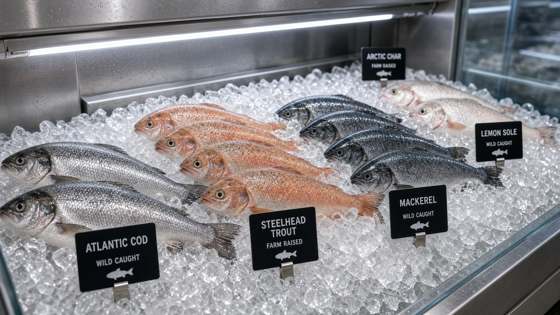
Skin-on pieces are easier to identify. If you are paying a premium, ask to buy the fish whole or with the skin on, then ask the store to fillet it.
Avoiding fraudulent seafood substitution: how to protect yourself
- Buy from sellers who answer questions clearly and know their suppliers.
- Ask for the species name, origin and whether it was previously frozen.
- Learn what the real thing looks like; the cues in recognizing freshness in fish help, and FishWatch shows photos and profiles of many US species.
- Keep receipts and packaging, so you can complain if something seems wrong.
- Choose certified products where possible, such as those carrying the MSC logo, which use chain-of-custody checks.
If you think you were sold the wrong fish
Return to the store with the receipt and ask politely for clarification or a refund. If the answer is unsatisfactory, you can contact the state or local consumer protection or food regulatory office. Traceability measures like those in traceability systems in seafood supply chains are meant to make this kind of fraud easier to catch.
Avoiding fraudulent seafood substitution mostly takes a habit of asking one more question and being skeptical of prices that seem impossible. Know your fish, know your seller and do not be shy about asking where it came from.