Recognizing freshness in fish comes down to four quick checks: it should smell clean and like the sea, the flesh should look moist and spring back when pressed, whole fish should have clear eyes and red gills, and the fish should be sitting on plenty of clean ice. If any of those fail, choose something else. Here is how to apply them to each kind of seafood.
Recognizing Freshness in Fish: Whole Fish Checklist
- Eyes: clear, bulging and bright. Sunken, cloudy or gray eyes mean age.
- Gills: bright red to pink and moist. Brown, gray or slimy gills are a bad sign.
- Skin: shiny, with scales attached and a thin, clear coat of slime.
- Smell: mild, briny, like clean seawater. Not sour, sharp or fishy.
- Flesh: firm and elastic. Press with a finger and the dent should spring back.
- Belly: intact, with no splitting or bulging.
Ask the seller to let you smell the fish, and to point out when it arrived. A good fishmonger is happy to help.
Recognizing Freshness in Fish by Smell
As fish ages, bacteria break down compounds in the flesh and produce stronger odors. Ammonia-like, sour or rotten smells are signs of spoilage. Clean fish smells faintly of the sea or of almost nothing at all. Do not mistake "fishy" for fresh; strong fishiness is the beginning of decay.
Fillets and Steaks Checklist
- Moist, translucent flesh with a sheen, not dull, dry or gray.
- No gaping or flaking, where the muscle layers pull apart.
- No browning or yellowing at the edges, and no dark spots on white fish.
- No milky liquid pooled in the tray.
- Firm when pressed lightly with a clean finger.
- Color appropriate to the species: salmon should be bright orange to pink, tuna deep red, not brown.
Tuna and other scombroid species deserve extra attention, because they can carry histamine that cooking does not destroy; read histamine and scombroid poisoning prevention. Fillets cut from older fish also look duller sooner, so a visual check helps, but remember that color alone does not prove safety.
Shrimp, Scallops and Squid
- Shrimp: firm, translucent, mild smell. Avoid ammonia smell, slimy feel, or yellowing shells. Black spots on the shell are a sign of age, and heavy black edging means avoid it.
- Scallops: creamy white to pale pink, slightly sweet smell. Very wet scallops sitting in milky liquid may have been soaked in a solution that adds water weight, so ask whether they are "dry" scallops.
- Squid: clean white flesh with purple speckled skin, firm, mild smell.
Live Shellfish
Clams, mussels and oysters should be alive when sold. Shells should be closed or close when tapped, with no strong odor. Discard those that stay open after tapping or that smell bad. Reputable sellers have tags showing harvest area and date; the Interstate Shellfish Sanitation Conference explains shellfish safety programs. See also shellfish storage for clams, mussels and oysters.
Frozen Fish Checklist
- Rock solid with no bent or soft sections.
- No frost inside the package and no ice crystals on the fish.
- Flesh looks glossy, not dry, white or leathery from freezer burn.
- No liquid or blood pooled in the bag.
- Package intact and below the freezer line in the display case.
At the Counter: Five Quick Questions
- When did this arrive?
- Was it previously frozen?
- Where is it from, and was it wild-caught or farmed?
- Can I smell it?
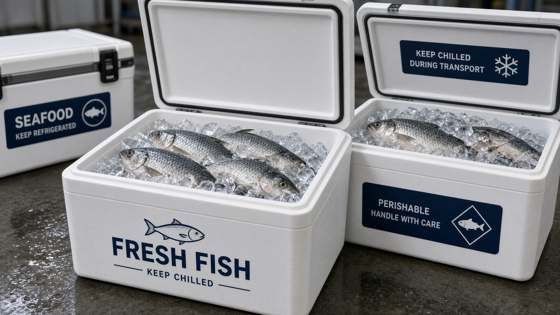
- Can you pack it on ice?
A seller who cannot answer these is a reason to shop elsewhere. For help choosing species, FishWatch offers profiles and buying information.
Checks at Home Before Cooking
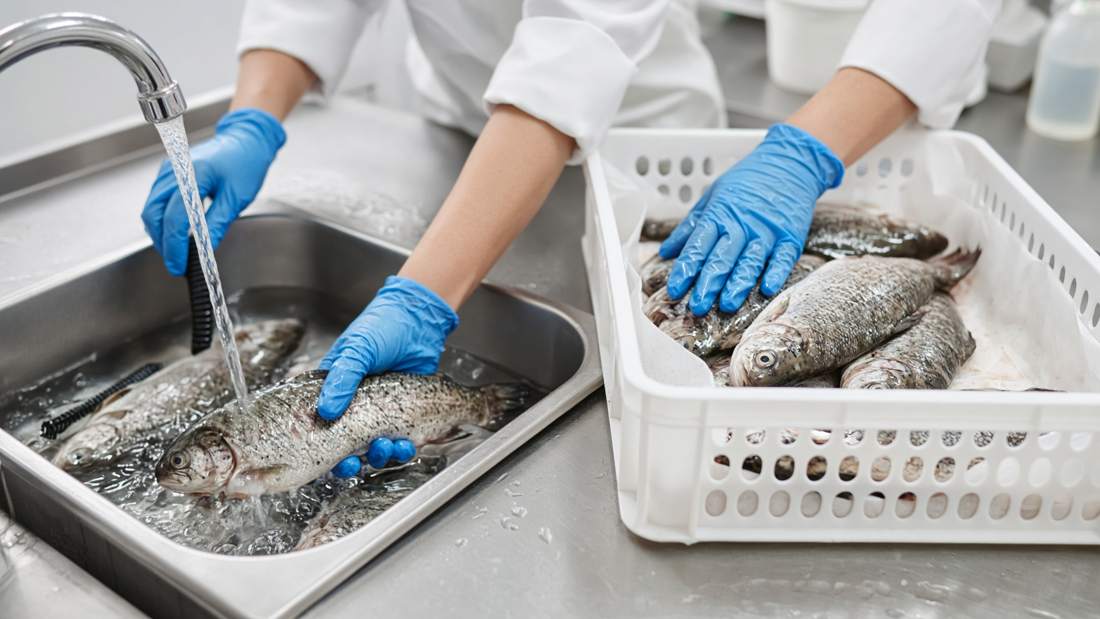
Rinse and pat dry, then smell again. If anything seems off, trust your senses: throw it out. Spoiled fish cannot be made safe by cooking. Cook fish to an internal temperature of 145 F (63 C); the FDA's safe food handling page covers the basics. For more on the signs of trouble, see spoilage signs you should never ignore.
Money-Saving Freshness Tips
- Buy whole fish when you can. It is easier to judge, usually cheaper per pound, and the shop will often clean and fillet it for you for free; keep the bones for stock.
- Ask what is freshest today rather than what you planned to cook. Flexible shopping gets better fish at lower prices.
- Ask about discounts on fish approaching its date, then cook or freeze it the same day, never the next.
- If the fish looks tired but is still within date, use it in a chowder or a curry with strong flavors only if it still smells clean. Anything that smells sour goes in the bin.
- Buy frozen when the fresh choices look poor; good frozen fish beats tired fresh fish every time.
Carry Your Checklist
When you are recognizing freshness in fish, the rule is simple: clean smell, moist firm flesh, bright eyes and gills, and cold ice. Run through those checks every time you buy and you will rarely bring home a disappointing fillet.