For most home cooks, frozen fish is as nutritious as fresh, often tastes as good, and is usually the better buy unless you live close to a fishing port and can get fish landed that day. In the fresh vs frozen fish decision, the key is how long the "fresh" fish has been out of water and how well the frozen fish was frozen and kept.
Nutrition: Is Frozen Fish Less Healthy?
Freezing does not meaningfully remove protein, omega-3 fats, vitamins or minerals from fish. Fish is generally frozen soon after catch, which preserves its nutrients, while "fresh" fish can spend days in transit and on display. Cooking method affects nutrition more than freezing does: baking, steaming and pan-searing keep fish lean, while deep frying adds fat. If your goal is to eat more fish for health, frozen options make it easier to do so regularly. Consumer guidance on weekly servings and low-mercury choices is on the FDA's page advice about eating fish, and the EPA's choose fish and shellfish wisely pages help you pick species.
Taste and Texture Compared
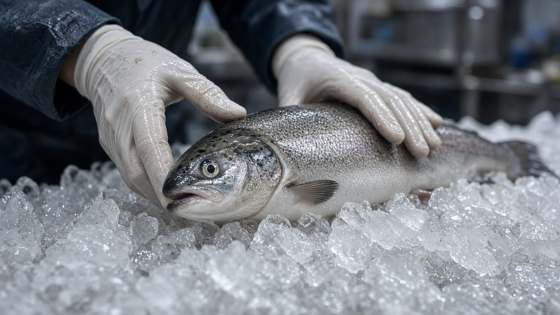
Very fresh fish, eaten within a day or two of landing, can have a delicate flavor and firm texture that is hard to beat. But "fresh" at a supermarket counter is often several days old, and some of it was frozen and thawed. A fish frozen quickly at sea or at the plant and thawed gently at home can taste better than such fish. Poorly frozen fish, with freezer burn or ice crystals from slow freezing, will be mushy or dry, as explained in flash freezing versus slow freezing.
Best Uses in the Fresh vs Frozen Fish Choice
| Choose fresh for | Choose frozen for |
|---|---|
| Whole fish you will cook the same day | Weeknight fillets you cook from the freezer |
| Local fish landed that morning | Shrimp, scallops, and lobster tails |
| Live shellfish | Fish for chowders, curries and fish cakes |
| Raw dishes only if the seller states the fish is suitable | Stocking up when there is a sale |
Price and Waste
Frozen fish often costs less per serving, and it wastes less, because you take out only what you need. Fresh fish at the counter has to be used in a day or two or it ends up in the bin. Compare cost per portion rather than per pound, and look at the label: some frozen products have a glaze or added brine, so the net weight of fish is lower than the bag weight. Wild-caught species that are only seasonally available locally are often cheaper and better when frozen.
Many shrimp sold as "fresh" at the counter were frozen and thawed at the store. If so, buying a frozen bag and thawing only what you need gives you the same product with more control. See thawing seafood safely for how.
How to Pick the Best Fresh Fish
- Ask when it arrived and whether it was previously frozen.
- Look for moist, firm flesh that bounces back when pressed.
- Smell it: it should smell clean and like the sea, not sour or ammonia-like.
- Whole fish should have clear eyes and red to pink gills.
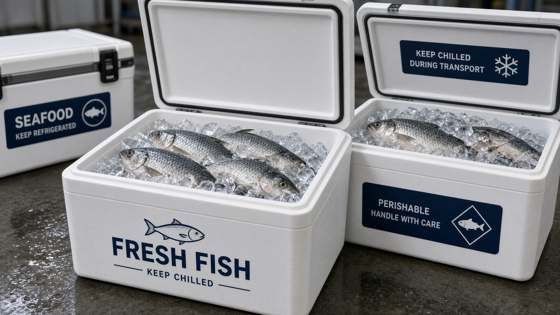
- Buy it last and keep it cold.
Our guide to recognizing freshness in fish goes through each sign.
How to Pick the Best Frozen Fish
- Choose packages that are rock hard, with no tears.
- Avoid heavy frost, ice crystals inside the bag or fish stuck together in a block when it should be loose.
- Look for labels such as frozen at sea or individually quick frozen.
- Check the date and keep it frozen until you leave the store.
- Look for third-party sustainability labels if that matters to you, such as the Marine Stewardship Council.
Safety Is the Same
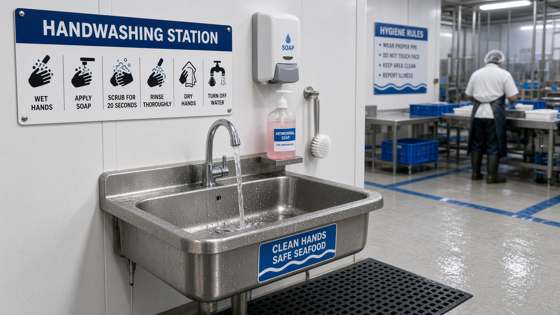
Either way, keep fish cold, cook it to 145 F (63 C), and do not leave it out more than two hours. The FDA's safe food handling page lists the basics.
Common Questions From Shoppers
Can I Refreeze Fish I Bought Thawed?
If the counter fish was previously frozen and thawed for sale, it is best cooked within a day or two rather than frozen again, because quality drops with every cycle. If you thawed frozen fish yourself in the refrigerator, you can refreeze it, with some texture loss.
Is Frozen Fish Safe for Raw Dishes?
Only if the seller says the fish was handled and frozen for raw use. "Sushi grade" is a marketing term, not an official grade, so ask how it was frozen and handled, and follow current FDA guidance.
How Long Does Frozen Fish Keep?
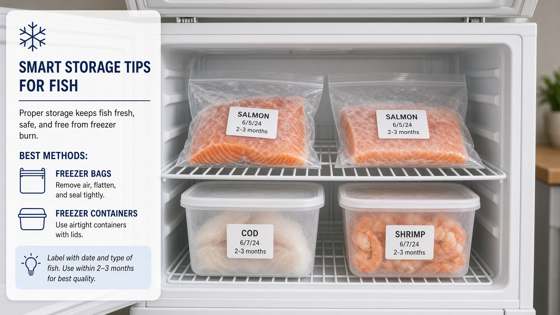
Kept at 0 F (-18 C), it stays safe indefinitely, but quality is best within a few months for most types, as covered in freezing fish techniques for quality retention. Date the bag when you get home.
The Verdict on Fresh vs Frozen Fish
The fresh vs frozen fish verdict: buy fresh when it is clearly just in, and buy frozen when you want value, convenience and consistent quality. A freezer stocked with well-frozen fillets and shrimp is a better weeknight plan than a fresh fillet that has been waiting for days.