Seafood attracts flies, rodents, and cockroaches because it is wet, protein-rich, and smelly, so pest control in seafood facilities is a basic sign of a shop you can trust. As a shopper you cannot inspect the back room, but you can read the front of the store, and what you see tells you a lot about what you cannot see.
What Pest Control in Seafood Facilities Involves
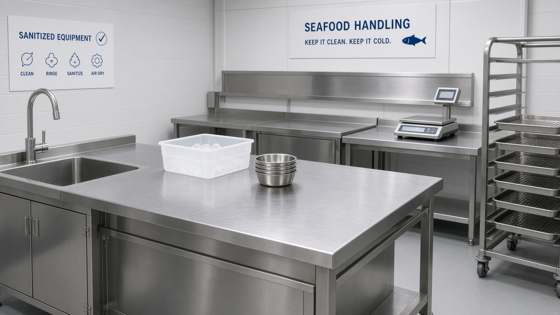
Well-run seafood businesses block entry points, clean and dry floors and drains daily, remove waste quickly, keep trash covered and away from food, and store products off the floor. Many hire licensed pest control services to inspect and treat on a schedule. Under U.S. rules for commercial seafood, processors are expected to prevent contamination from pests as part of their food safety plans, which the FDA describes in its seafood HACCP program. Retail rules vary by state and city, so check local requirements.
What You Can Spot as a Shopper
Walk in and use your eyes and nose before looking at the fish.
- Flies around the counter, the trash area, or the display are a red flag.
- Standing water, wet and dirty floors, clogged drains, or a sour smell suggest poor cleaning.
- Overflowing bins, uncovered waste, or boxes stacked on the floor invite pests.
- Droppings, gnawed packaging, or insects near the display are reasons to leave at once.
- Clean, dry staff areas, covered product, and fish held on ice or in a cold case are good signs.
A fish counter should smell like the sea, not like rot. If it smells foul, buy elsewhere. Our guide to recognizing freshness in fish helps you check the product itself too.
Keeping Pests Away at Home
The same principles work in a home kitchen, especially when you cook fish and shellfish.
- Wrap fish waste, shells, and heads tightly and take the bin out the same day.
- Rinse the trash can regularly, and use a lid.
- Wipe counters, sinks, and the fridge shelves after handling raw seafood, using hot soapy water.
- Store dried seafood, seaweed, and canned goods in sealed containers to avoid pantry pests.
- Fix leaks and do not leave damp cloths lying around, since moisture attracts insects.
Our guide to cleaning and sanitizing seafood prep areas gives a full routine for the kitchen.
If You Spot a Problem
Do not buy the product, tell a manager calmly, and consider contacting your local health department if conditions are clearly unsafe. Throw away any seafood you bought that shows signs of insects, and keep your receipt. For general guidance on buying safely, see the FDA's advice about eating fish.
Why pests are a food safety issue
Flies, rodents and cockroaches can carry bacteria on their bodies and droppings, and they can contaminate surfaces and food they touch. Seafood is especially sensitive because it is perishable and often eaten with little cooking, as in sushi or smoked fish. A pest problem usually shows a wider cleaning or maintenance lapse, which is why a spotless counter is a stronger signal than a glossy display.
Where pests get in to seafood facilities
- Gaps under doors and around pipes.
- Open doors and unscreened windows at loading areas.
- Cardboard boxes and pallets brought in from outside.
- Drains and floor sinks that stay wet or unclean.
- Garbage areas near entrances.
More red flags at the fish counter
- Staff handling food and then trash or money without washing hands.
- Pest traps or sticky strips visible in sales areas, covered in insects.
- Packaging with chew marks, or stock stored directly on the floor.
- Fish displayed without ice or in a case that is not cold.
- No visible cleaning schedule or dirty equipment such as scales and knives.
Good pest control in seafood facilities: what to notice
Look for display cases with clean glass, fresh ice that is not discolored, separate boards and utensils for different products, staff who wear clean aprons and gloves, and a back door that is closed. Many places also display an inspection score or certificate; if you see one, glance at the date. Rules and scoring vary by area, so do not treat any single score as the whole story.
Pests in your kitchen: a simple routine
- Take out seafood trash the same day, double-bagged if it smells strongly.
- Rinse empty shells and cans before placing them in the bin.
- Wipe the sink and drain after handling fish and wash the dishcloth often.
- Store dry goods such as dried fish, crackers and seasonings in tightly sealed jars.
- Check bananas and other fruit that can attract fruit flies, and keep them away from the prep area.
- Seal entry points, such as gaps around pipes, if you see signs of mice or insects.
What to do if pests show up
Discard any food that has been touched or chewed, wash the area with hot soapy water and then a sanitizer, and call a licensed pest professional if the problem persists. Avoid spraying insecticide near food or prep surfaces. If you rent, tell your landlord, since many places require them to handle infestations. Our cleaning guide, linked above, covers how to sanitize prep surfaces after raw seafood.
Good pest control in seafood facilities is mostly cleanliness and attention, which means a bright, dry, cold, odor-free counter is one of the best signals a shop cares about quality.