Curing and salting fish at home draws moisture out of the flesh with salt, firming the texture and concentrating flavor. A light cure, such as gravlax, is a refrigerator project that takes one to three days; a heavy salt cure, like salt cod, is a longer process that preserves the fish for months. Neither method is a safety guarantee, so the fish you start with and the way you chill it matter as much as the salt.
Curing and Salting Fish at Home: What Salt Does
Salt pulls water from the fish and the cells of bacteria, making it harder for many microbes to grow. Sugar, herbs and spices add flavor and slightly firm the fish. But a short, light cure does not make fish shelf-stable, and it does not kill parasites. Cured fish that you will eat raw-textured must be treated carefully.
Safety First: Parasites and Cold Storage
Fish intended to be eaten without cooking, including most cured and marinated preparations, can carry parasites. The FDA's guidance for raw-eaten fish calls for freezing to destroy parasites, with specific temperature and time requirements, so check current FDA guidance for the exact figures that apply to your home freezer. Many home freezers do not reach the required temperature, which is why buying fish labeled by the seller as suitable for raw or cured use, and asking whether it has been frozen to the proper standard, is a sensible step. Farmed salmon raised on prepared feed is generally considered lower risk for parasites, but check the FDA guidance and label.
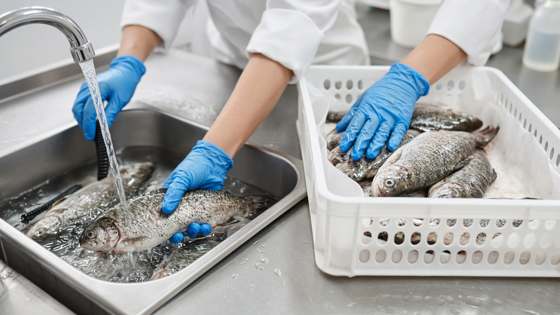
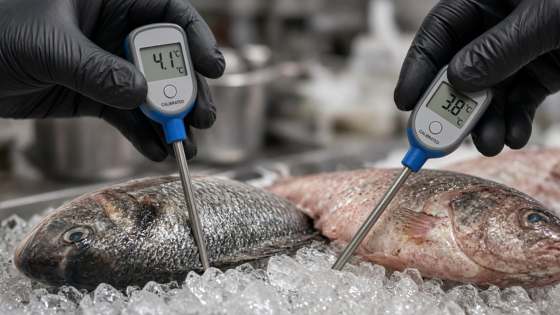
Always start with very fresh, clean-smelling fish; see recognizing freshness in fish. Keep everything at 40 degrees F or colder, use clean boards and utensils, and never leave the curing fish at room temperature. The FDA's advice about eating fish notes extra caution for pregnant women, older adults and others at higher risk.
A Basic Gravlax-Style Cure
For about 1 pound (450 g) of skin-on salmon fillet, pin-bones removed:
- 3 tablespoons coarse kosher or sea salt (no iodized table salt)
- 2 tablespoons sugar
- 1 teaspoon crushed peppercorns
- A handful of fresh dill, chopped
- Mix the salt, sugar and pepper.
- Lay the fillet skin-down on a sheet of plastic wrap in a dish. Spread the dill and the cure mixture over the flesh.
- Wrap tightly, put a small plate on top with a can or two as a weight, and refrigerate.
- Turn it every 12 hours and spoon any liquid over the fish. After 24 to 48 hours, depending on thickness, the flesh will be firm.
- Rinse, pat dry, and slice thinly on an angle, leaving the skin behind.
Serves about 6 as a starter. Keep in the fridge, wrapped, and eat within about three to four days. Because the fish is not cooked, treat it with care before serving.
Curing and salting fish at home: heavy salt cure
Salt cod and similar products are packed in coarse salt, drained, and dried until hard. It takes weeks and is tough to do safely in a humid kitchen. Most home cooks are better off buying it ready made. To use it, soak in cold water in the refrigerator for 24 to 48 hours, changing the water several times, until it is pleasantly salty. Taste a flake before cooking. Cook it thoroughly, for example by poaching or baking in a sauce.
Wet Cures and Brines
A brine is a salt-and-water solution used to flavor and firm fish before smoking or cooking. A brine of about a cup of salt to a gallon of water is common for smoking, though recipes vary. Keep the fish and brine cold, use food-safe containers, and discard used brine. If you plan to smoke afterwards, smoking fish at home covers the next stage, including how to store it.
When Not to Cure at Home
- With fish you are unsure about. Cure only what you would happily cook right away.
- With species prone to histamine formation when mishandled, such as tuna or mackerel, unless you are certain they were chilled correctly; see histamine and scombroid poisoning prevention.
- If you plan to store the fish at room temperature or in vacuum packs for long periods. That carries botulism risks and needs professionally controlled processes.
Used wisely, curing and salting fish at home is a cheap, rewarding way to turn a good fillet into a showpiece. The FDA's safe food handling pages are worth a read before you begin.