The biggest mistake with expensive caviar is warming it up, so handling fish roe and caviar comes down to one habit: keep it as cold as you can without freezing it. A tin that spends an afternoon on the counter loses texture and flavor, and fresh roe is among the most perishable seafood you can buy. A few simple rules protect the money you spent.
Roe, Caviar, and What You Are Buying
In many places "caviar" refers to the salted roe of sturgeon, while "roe" covers eggs from other fish such as salmon, trout, whitefish, flying fish, and lumpfish. Labels vary by country, so read the label for the species name. Salmon roe sold as ikura or in jars, and smaller-grained roe like tobiko or masago, handle differently from delicate sturgeon caviar, so check what is in your hands before deciding how to store it.
Roe also comes in different styles. Fresh, lightly salted roe is the most perishable. Pasteurized jars have a longer shelf life while sealed. Always follow the label, since methods and salt levels differ.
Handling Fish Roe and Caviar in the Refrigerator
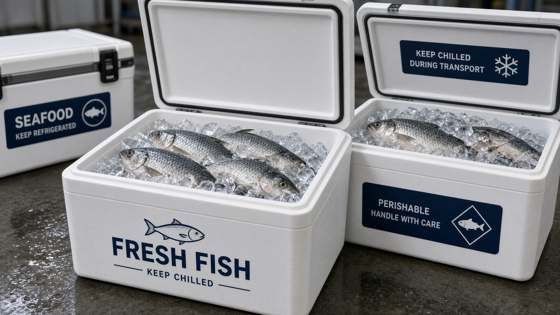
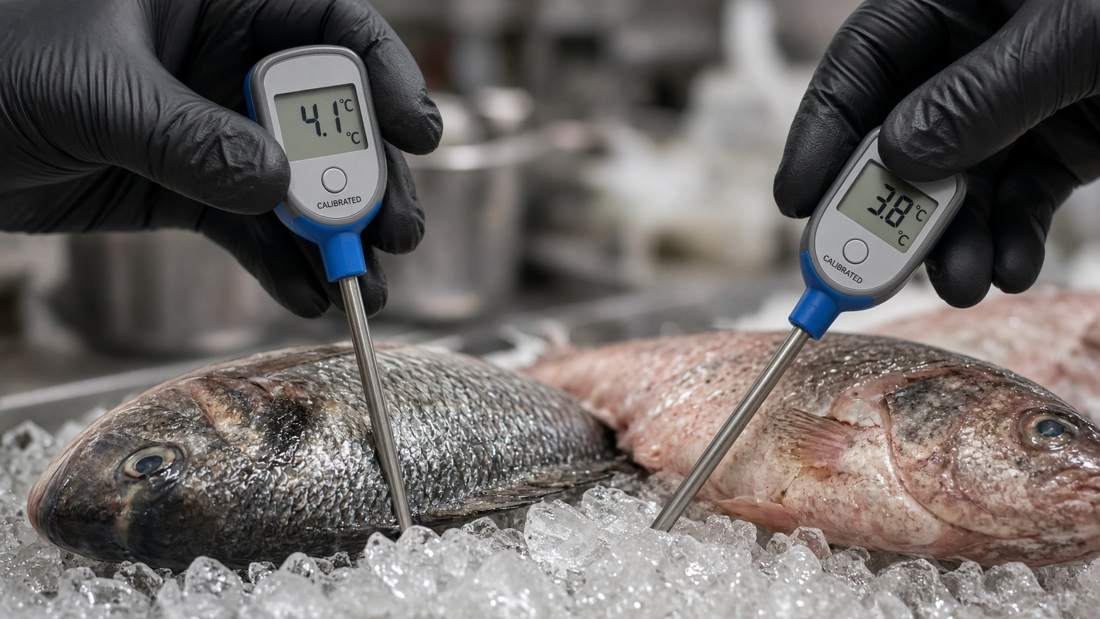
Take it home in an insulated bag with an ice pack and put it in the coldest part of the refrigerator, often the back of the lowest shelf. Fine caviar is generally kept just above freezing, colder than most refrigerators run, so many people set the tin on a bed of ice in a bowl in the fridge. Do not store it in the door, where temperatures swing.
- Leave unopened tins sealed and cold until you are ready to serve.
- Check the "best before" or "use by" date on the tin, and plan to eat it well before that date.
- Once opened, press a piece of plastic wrap onto the surface, cover, and use within a few days. Check the label for specific advice.
- Throw it away if it smells sour or ammonia-like, looks slimy, or has gone cloudy.
Should You Freeze It?
For fine caviar, no. Freezing damages the delicate membrane around each egg, so the pearls turn mushy or burst when thawed. Some robust salmon roe is sold frozen and holds up better, but follow the package instructions, and never refreeze roe that has thawed.
Serving Without Spoiling the Taste
Nest the tin in crushed ice and serve small amounts at a time. Many traditional caviar spoons are made of mother-of-pearl, bone, or plastic because metal is said to affect the flavor, so use one of those if you have it. Serve plain: blinis, unsalted crackers, or boiled potato, with creme fraiche as the classic partner. Do not stir or mash it.
Allow a small portion per person. About a spoonful or two each is a generous taste for an expensive tin, and a 30 gram tin can serve several people as a starter.
Food Safety Notes
Roe is eaten uncooked, so it follows the same cautions as other raw seafood. The FDA's advice about eating fish includes guidance for people who are pregnant or have weakened immune systems, who are often advised to avoid raw seafood. NOAA's FishWatch is useful for finding which species are responsibly sourced.
For keeping the rest of your haul fresh, see ideal storage temperatures for fresh fish. When you are choosing between products, our guide to reading seafood labels and certifications helps you decode origin and species claims on tins and jars.
Spending Wisely
Price varies enormously with species and grade. Salmon, trout, and whitefish roe give you a pleasing pop and bright flavor at a fraction of the price of sturgeon caviar. Buy from a seller who keeps the product refrigerated, check the date, and buy only what you will eat that week. Good handling of fish roe and caviar protects both flavor and budget.