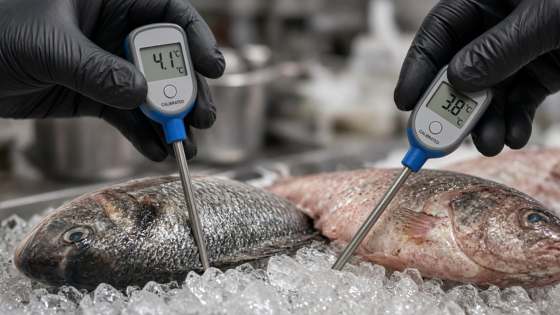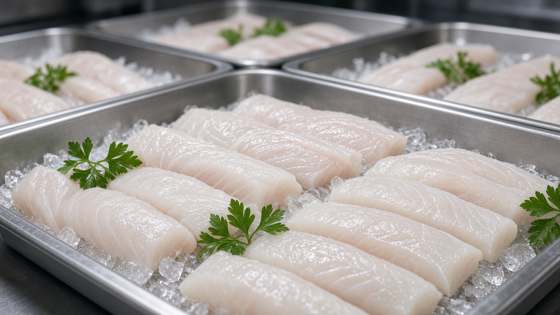
Smoked fish storage guidelines come down to this: most smoked fish is a perishable, refrigerated product, not a shelf-stable one, so keep it at 40 degrees F or colder, check the date on the pack, and use it within a few days once opened. Smoking adds flavor and a little preservation, but it does not make fish immortal.
Hot-Smoked and Cold-Smoked Are Different
Hot-smoked fish, such as flaky smoked trout, mackerel, kippers and smoked haddock sold ready to eat, is cooked during smoking. Cold-smoked fish, such as lox-style or sliced smoked salmon, is cured and smoked at low temperatures and stays raw-textured and silky. The difference matters for safety and shelf life. Cold-smoked fish is typically eaten without further cooking, so careful storage is more important. Some smoked fish, like smoked haddock (finnan haddie) and kippers, is sold undyed and uncooked and is meant to be cooked at home; read the label to see which you have.
Smoked Fish Storage Guidelines: Unopened Packs
- Vacuum-packed smoked fish: store in the refrigerator and keep to the use-by date. Do not leave it in a warm car or on the counter.
- Check that the fridge reads 40 degrees F (4 C) or below. A fridge thermometer helps; colder is better for smoked fish.
- Look for products that are sold from a refrigerated case, not an ambient shelf, unless the label clearly says shelf-stable (some canned or retort-pouched smoked fish is).
- Never buy packs that are puffed, leaking or have a sour smell.
The vacuum seal does not mean it lasts forever; vacuum packaging can protect against some spoilage but certain bacteria thrive without oxygen. Our guide to vacuum sealing for extended shelf life explains the limits.
After Opening
Once opened, wrap the fish tightly in plastic wrap or store in an airtight container, and use within roughly three to five days, sooner for cold-smoked fish. Do not return it to the original warm packaging. Keep it on a lower shelf away from vegetables and cooked food, and use a clean fork each time. If the fish develops slime, a sour smell, a sticky film or turns a dull, off color, discard it.
Smoked fish storage guidelines for freezing
Most smoked fish freezes well, though texture softens slightly, especially for sliced cold-smoked salmon. Divide into meal-size portions, wrap tightly, press out the air and freeze, ideally for up to two or three months for best quality. Thaw in the fridge, never at room temperature, and use within a day or two once thawed. A tip: freeze sliced salmon in small packs, so you thaw only what you need.
Who Should Be Careful
Listeria is a bacterium that can grow at refrigerator temperatures, and refrigerated smoked fish is a known source. Pregnant women, older adults and people with weakened immune systems are advised by US health agencies to avoid refrigerated smoked seafood unless it has been cooked in a dish to steaming hot, or it is the shelf-stable canned type. Check the FDA's advice about eating fish for the current wording. For more on how risk is managed in the industry, see Listeria control in smoked seafood.
Serving Ideas That Use It Up
Flake leftover hot-smoked trout into salads, pasta or scrambled eggs; try our smoked trout salad. Fold cold-smoked salmon into cream cheese or serve on bagels. If you are tempted to smoke fish yourself, smoking fish at home walks through the method. Home-smoked fish follows the same cautious rules: cool quickly, refrigerate, and eat within a few days.
Finally, read the label. Dates, temperatures and handling directions vary from product to product, and the USDA and FDA both advise checking current guidance when in doubt; the FDA's safe food handling pages are a good start. Follow these smoked fish storage guidelines and you will enjoy the fish at its best.