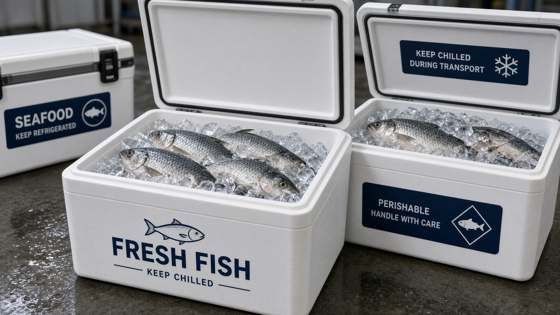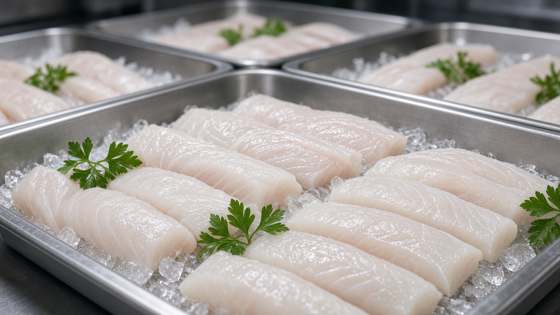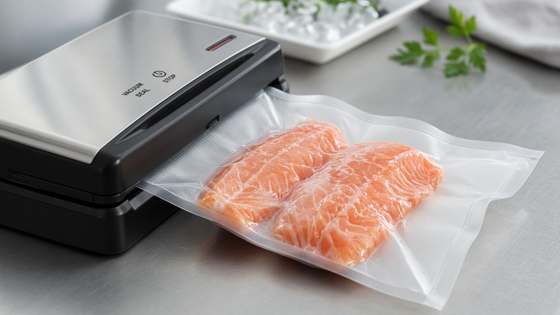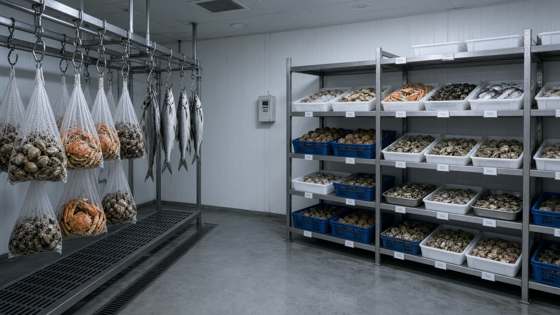
If you or someone you feed has a fish or shellfish allergy, the biggest risk at a seafood counter is not the product you ask for but what it touched on the way, which is why allergen management in seafood operations matters to every shopper. Tiny amounts of allergen on a knife, scoop, or fryer can cause a reaction. This guide is general information, so talk to your allergist about your own situation.
Fish and Shellfish Are Different Allergens
In the United States, finfish and crustacean shellfish such as shrimp, crab, and lobster are each on the list of major food allergens, and people can be allergic to one group and not the other. Mollusks such as clams, oysters, mussels, and squid are not on the U.S. major allergen list, but they can still cause reactions for some people. Ask your allergist which seafood you must avoid. The FDA explains the major allergens and labeling rules on its food allergies page.
Cooking does not remove allergen, so frying, boiling, or smoking a food does not make it safe.
Allergen Management in Seafood Operations: Where Cross-Contact Happens
Cross-contact happens when allergen from one food ends up on another. In seafood businesses it commonly comes from:
- shared cutting boards, knives, tongs, and scoops;
- shared ice, display trays, or cases where shrimp sits beside fish;
- deep fryers that cook shrimp and fish in the same oil;
- grill surfaces, steamers, and pots used for different products;
- gloves and aprons that touch more than one product.
Businesses manage this with separate tools, cleaning between products, storing species apart, and training staff. A good shop can explain what it does. Our guide to cross-contamination risks in seafood handling covers the closely related issue of bacteria.
Questions to Ask Before You Buy or Order
- Is the fish or shrimp prepared on a separate board and with separate tools?
- Does the fryer oil also cook shellfish or other fish?
- Can you pack mine first, using clean gloves and a fresh bag?
- What is in the marinade, batter, sauce, or seasoning?
If staff are unsure or dismissive, treat that as an answer and choose another place.
Reading Labels
For packaged products in the U.S., major allergens must be clearly identified, and labels name the type of fish or crustacean. Hidden sources include fish sauce, surimi, Worcestershire sauce, stocks, and some Caesar dressings, and some supplements and cosmetics use shellfish ingredients. Read the full ingredient list each time, since recipes change. See also our guide to reading seafood labels and certifications.
Unpackaged food at counters and restaurants is covered by different rules, so ask directly.
At Home
Wash hands, boards, and tools with hot soapy water after handling allergenic seafood, and consider keeping a separate board for it. Keep emergency medication as your doctor directed. The FDA's general advice about eating fish is also worth a read. Applying careful allergen management in seafood operations as a customer simply means asking early, asking clearly, and trusting the answers you get.