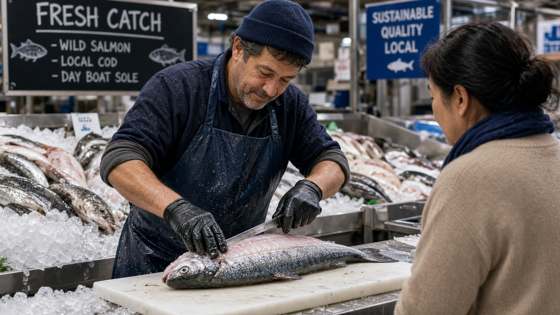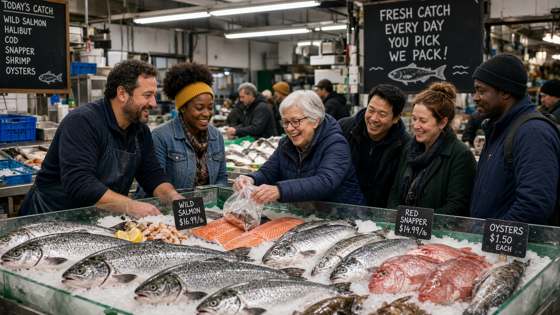
Direct-to-consumer seafood sales mean you buy from the person who caught, farmed or processed the fish, with no supermarket in between. It might be a fisher selling from a boat at the dock, a farm shipping oysters to your door, or a small processor with an online shop. When it works well, you get fresher product, clearer sourcing and the chance to ask questions of someone who really knows the answer.
The main ways to buy direct
- Dockside and boat sales. Some fishers sell at the dock. The catch is as fresh as it gets, but availability depends on the day, and you usually bring your own cooler and cash or a card.
- Farmers markets and pop-up stands. Sellers bring iced fish, shellfish or smoked products to a regular spot.
- Subscriptions and shares. Programs like community supported fisheries deliver a share of the catch on a schedule. See community supported fisheries explained.
- Online shops with shipping. Fish is usually frozen or packed with gel packs and shipped overnight.
- Farm gate sales. Shellfish and trout farms sometimes sell on site.
What direct-to-consumer seafood sales do well
Freshness and traceability in direct-to-consumer seafood sales
With fewer handoffs, there are fewer chances for delays. The seller can usually tell you the boat, the area or the farm, and the date of harvest. That information is hard to get at a busy supermarket counter.
Variety and seasonality
Direct sellers often offer species you will not find in chains, and they offer them in season. Be ready to cook what is available rather than what you planned.
Fairer returns for the producer
Skipping middle steps may let the producer keep a larger share of the price. That does not always make the product cheaper for you. Prices can be higher, particularly for small volumes, since the seller carries costs like packing and shipping alone.
What to check before you order
- Handling. Ask how the fish is kept cold and how long it was held. Our guide to buying seafood online: what to check lists specifics.
- Species and origin. A reputable seller names the species and where it was caught or farmed.
- Shipping details. Look for a stated delivery window, insulated packaging and a plan if you are not home. Fresh seafood should arrive cold to the touch.
- Policies. Read the refund or replacement terms. Perishable goods often have strict rules, so know them before you buy.
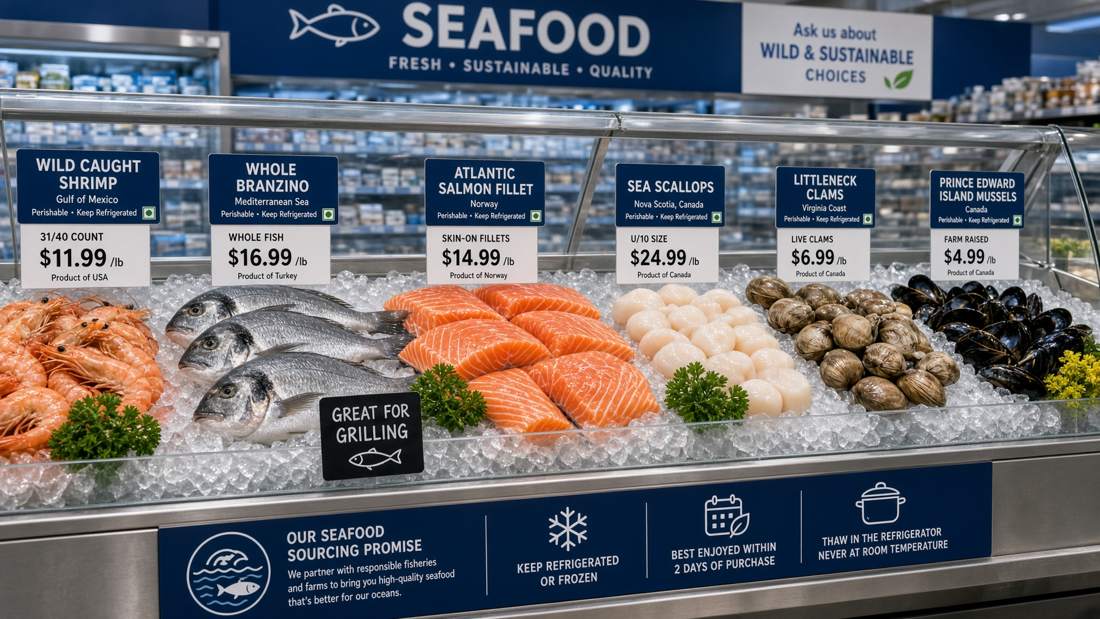
- Total cost. Add shipping and any minimum order. A low per-pound price can disappear once shipping is added.
Safety when you buy direct
Direct sales do not mean looser rules. Sellers of fish and shellfish are generally expected to follow food safety requirements, and shellfish in particular must come from approved waters; the Interstate Shellfish Sanitation Conference explains the system. Rules differ by state and country, so check current rules where you live. When your delivery arrives, put it straight in the refrigerator or freezer, and follow the FDA advice about eating fish for serving guidance.
If you try direct-to-consumer seafood sales, start small: one share, one order, one weekend at the dock. If the seller is open, the fish is cold and the flavor is better than what you were buying before, you have found a source worth keeping.