Ordering fish online is easy, and it is just as easy to be disappointed by it, which is why it helps to know what a good seafood e-commerce store looks like from the shopper's side. The best sellers show you exactly what you are buying, how it will be shipped and what happens if something goes wrong, and you can check all of that before you pay.
What a good seafood e-commerce store shows you
What a seafood e-commerce store lists clearly
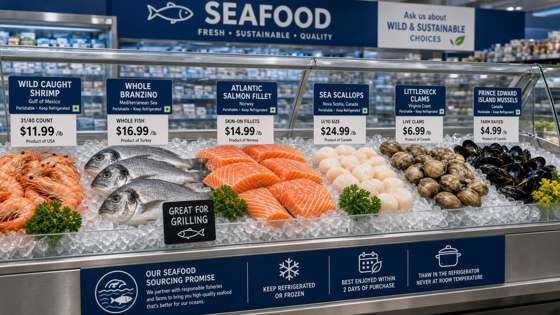
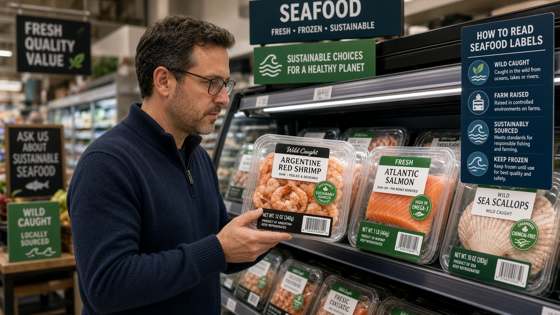
Look for the specific species, not just "white fish" or "premium catch." A good listing gives the weight, whether it is wild or farmed, the country or region of origin, the form (whole, fillet, portion, shell-on, peeled) and whether it is fresh or previously frozen. Origin and method labels are explained in reading seafood labels and certifications.
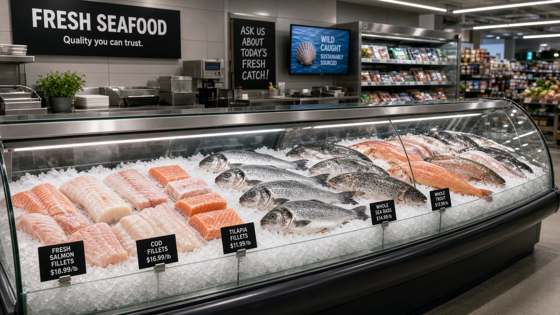
Check whether the weight is before or after freezing and glazing, and whether the price is per pound or per package. A fair comparison needs the same unit.
Honest photos and descriptions
Photos should look like the real product, not stock images of a different dish. Descriptions should say how many portions are in a pack, and how thick they are. Details such as skin on or off and pin bones removed tell you how much cooking prep is involved.
Shipping and handling information
Because seafood is perishable, shipping details are not optional. A trustworthy shop explains how orders are packed, such as insulated boxes with gel packs or dry ice, which days it ships, the typical transit time and what to do if no one is home. See insulated boxes and gel packs explained to understand what good packaging looks like.
Prices: reading beyond the headline
- Add shipping. Overnight cold shipping can be a large part of the total on a small order.
- Look for free shipping thresholds. A larger order can cut cost per pound if you have freezer space.
- Compare edible weight. Peeled shrimp and shell-on shrimp are not priced alike for good reason.
- Watch subscriptions. Check how to pause or cancel. Our guide to subscription seafood boxes covers this.
Trust signals worth checking
- Contact details. A real address or phone number, and responsive customer service.
- Return and replacement policy. Perishable goods often cannot be returned, so look for a replacement or refund promise if the order arrives warm or damaged.
- Reviews with detail. Look for reviews that mention freshness on arrival and packaging, not just star scores.
- Certification claims. If the store uses a sustainability logo, you can check the program, for example the Marine Stewardship Council.
- Species identification. You can cross-check a species at FishWatch.
When your order arrives
Open the box right away. Frozen items should still be frozen or very cold, with ice crystals but no thawed liquid. Fresh items should feel cold and smell clean. If anything arrives warm, take a photo of the packaging and contents and contact the seller promptly. Do not eat seafood you are unsure about. For what to do next, see thawing seafood safely.
A well-run seafood e-commerce store makes all of this easy to find. If you cannot find out the species, the origin, the shipping method or the refund policy in a minute or two, that tells you something. Choose the shop that answers your questions before you ask them.