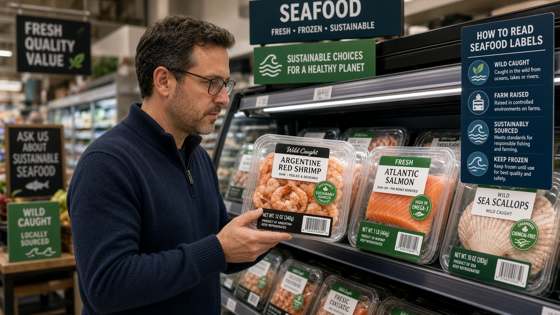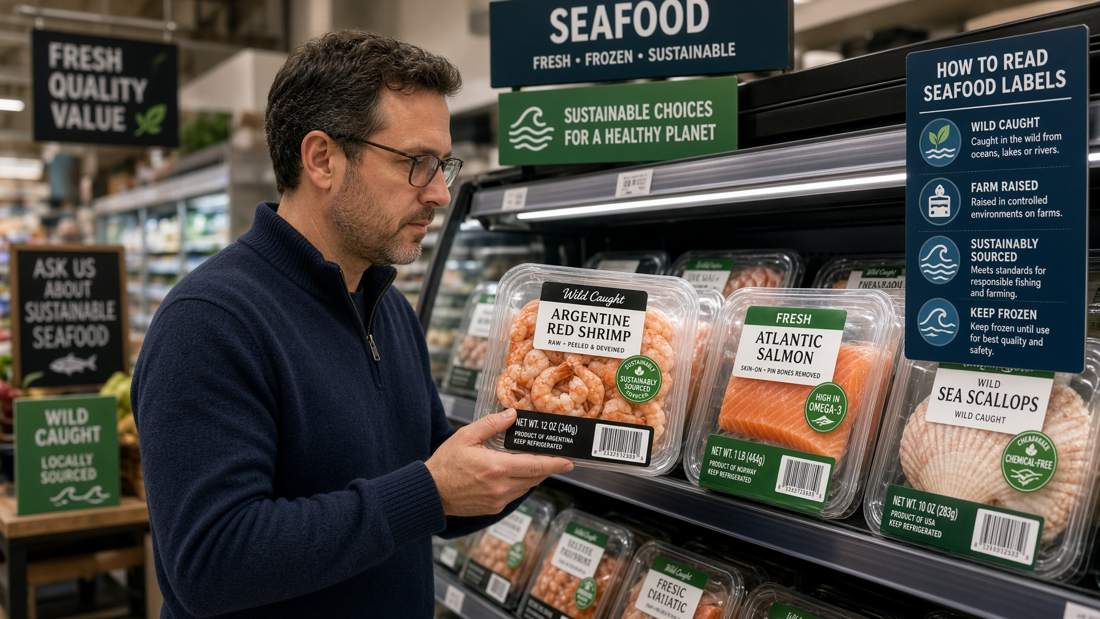
The best seafood shop emails arrive a few hours before the good fish is gone. A short note saying that halibut came off the boat this morning or that wild shrimp are back in stock is worth reading, because seafood is sold in limited, changing quantities. A newsletter that only repeats a coupon code every day is not.
Why seafood sellers email their customers
Fresh fish does not sit on a shelf for months. A seller who gets a delivery of a few cases of a seasonal species wants to move it quickly, and an email is the cheapest way to reach people who have already said they are interested. That is good news for you: the information is often more current than a website or social feed, and some shops send the first notice only to subscribers.
Typical messages include a weekly list of what is available, a notice that a limited item has returned, a pre-order window for holidays, and occasional discounts on items that need to sell soon, such as a case of frozen fillets that is close to the end of its best quality window.
What to look for before you subscribe
Choose seafood shop emails that give information, not just coupons
Open a few emails from a seller before committing. Useful ones name the species, say where it was caught or farmed, describe the form (whole, fillet, portions, frozen or never frozen) and give a price per pound or per portion. If every message is a vague "big sale" banner, it will not help you plan a meal.
Check the delivery and pickup details
For online sellers, scan for shipping cost, minimum order size and delivery days. A low per-pound price can disappear once you add a shipping fee, so compare the total. Our guide on what to check when buying seafood online walks through the full list.
How to use seafood shop emails to save money
- Pick two or three sellers rather than ten. A short list is easy to compare and keeps your inbox usable.
- Note which day of the week each seller sends its arrivals list, then plan your dinners around it.
- Treat "while supplies last" as a real signal. If you want the item, order that day.
- Ask yourself whether you would buy the item at the regular price. If not, a discount is not a bargain.
- Read the fine print on promotions. Some codes exclude fresh items or require a minimum spend.
For arrival news you can also check the NOAA FishWatch buying guidance for what to ask a seller. If a discount is tied to a bulk size, make sure you have freezer space and a plan. Fish that is vacuum sealed and frozen promptly keeps well, and the FDA's advice on selecting and serving fresh and frozen seafood explains what to check when it arrives.
Arrival alerts and restock notices
If a seller offers a "notify me" option for a product, use it for the items you actually want, such as scallops sold dry-packed or a particular salmon run. These alerts are more useful than general newsletters because they are tied to a purchase decision. Many shops also run a text or app alert; the same rules apply.
Protecting your inbox and your data
Use an email address you do not mind receiving offers at, and unsubscribe from anything that has not helped you in a couple of months. A trustworthy seller makes the unsubscribe link easy to find. Be wary of any message that asks for payment details by reply or sends you to a site that does not match the seller's name. Order only through the shop's normal checkout.
Some sellers pair their lists with rewards. If you buy regularly from one shop, see whether its loyalty program adds value on top of the emails, and if you like buying straight from the source, compare these lists with direct-to-consumer seafood sales.
Join one or two seafood shop emails from sellers you already trust, give them a month, and keep only the ones that told you something you could act on.