Social media marketing for seafood vendors has become one of the quickest ways for shoppers to find out what is fresh today. Fishers and small shops post their daily catch, sell out within hours, and take pre-orders by message. Used well, following them saves you money and time. Used carelessly, it can lead you to poor sellers, so a few habits help.
What social media marketing for seafood vendors offers shoppers
- Daily availability. Posts showing what came in, with price and pickup time.
- Specials and markdowns. Last-minute offers when a seller has plenty.
- Sourcing stories. Which boat, farm or cooperative the fish came from.
- Cooking ideas. Short videos or recipes for unfamiliar species.
- Pop-up locations. Where a market stall or truck will be.
It can also make direct buying easier; see direct-to-consumer seafood sales and pop-up seafood stands.
How to judge a seller you find online
Look for specifics in social media marketing for seafood vendors
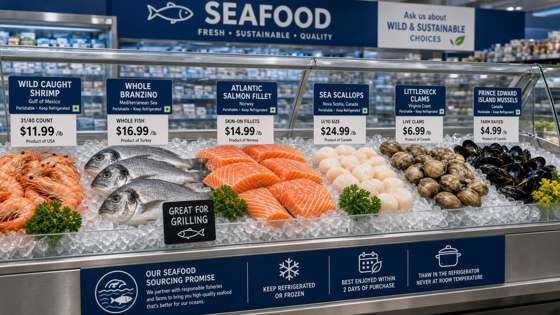
Good posts name the species, origin and form, show the actual product, give a price and say how to buy. Vague posts with stock photos and no details are weaker. Cross-check species on FishWatch if something looks unusual.
Check consistency and history
Scroll back through older posts. A seller who has posted real catches for months or years is more reliable than a new account with a handful of glossy images. Read comments and reviews for mentions of freshness, delivery and customer service.
Check for a real business
Look for a physical address or market location, a phone number, and clear policies on refunds and pickups. If a seller asks you to pay by unusual means or only through private messages with no records, be cautious.
Using social media marketing for seafood vendors safely
- Pay through standard, traceable methods. Avoid sending money to someone you cannot identify.
- Confirm handling. Ask how fish is kept cold and for how long it was held. See buying seafood online: what to check.
- Inspect at pickup. Fresh fish should smell clean and look bright; recognizing freshness in fish helps.
- Be wary of "too good" prices. A premium species far below market price may not be what it claims.
- Watch for sponsored claims. If a post is promoted by a brand, a sustainability or health claim may be marketing rather than evidence. Check against Seafood Watch or other trusted guides.
When a post is only a photo
A pretty picture is not proof of freshness. Ask when the fish was landed or delivered, whether the photo shows today's stock, and what the price is per pound. A seller who replies promptly with clear answers is showing you how they run the business.
Making the most of what you follow
Turn on notifications for one or two favorite sellers rather than dozens. Message to reserve what you want, and confirm quantity and pickup time. Share good experiences in a review, which helps other shoppers and supports small businesses. For more on how reviews work, see reviews and reputation management.
Social media marketing for seafood vendors is at its best a live window into the market. Follow sellers who show real product and answer questions, and you will find fresher fish and better value than you would by guessing at the counter.