A seafood festival is a good place to taste a wide range of dishes and meet people who catch, farm and cook seafood, and a little planning helps you spend wisely. Walk the whole festival before you buy, choose busy stalls with fresh food and decide what you want to take home as well as what you eat there.
How to choose stalls at a seafood festival
Seafood festival: look for signs of good handling
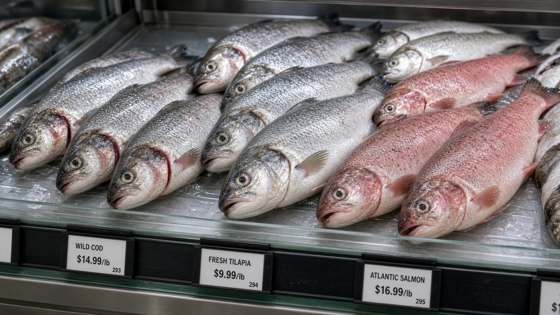
- Raw seafood sitting on ice or in a cooler, not out in the sun.
- Cooked food hot, cold food cold, and staff using gloves or utensils.
- A posted permit or inspection notice, which many events require. Rules vary by place.
- Fast turnover: a queue usually means fresh batches.
Ask about the seafood
Vendors who are proud of their product will tell you the species, where it was caught or raised and how it is cooked. If you are allergic to shellfish or fish, ask about shared fryers and sauces; our seafood and allergies guide has advice.
Spend wisely
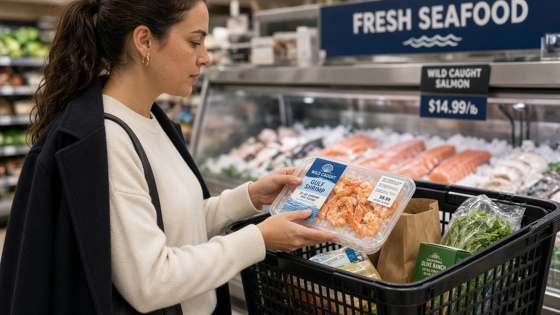
Festival prices can be higher than at your local counter because of event costs, so treat the festival as an experience rather than a bargain hunt. Share dishes to try more items, compare portion sizes, and check whether the price is per piece or by weight. If you want to buy raw seafood to take home, ask whether the vendor is licensed to sell it, and compare the price with your usual shop; see buying from pop-up seafood stands.
Raw oysters and shellfish
Raw shellfish carries some risk, especially for pregnant people, older adults and people with weakened immune systems or liver disease. Choose a vendor who keeps oysters on ice and can tell you the harvest area. The FDA's advice about eating fish covers groups who should take extra care, and ISSC provides shellfish safety information.
Taking seafood home from a seafood festival
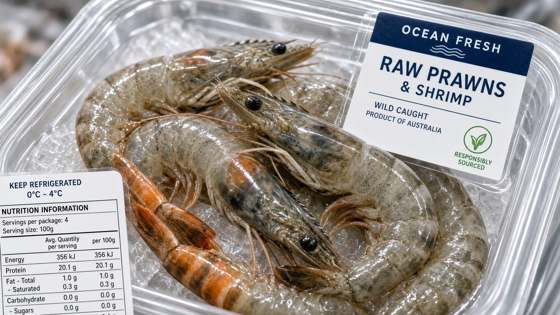
If you buy raw fish or shellfish, bring a cooler with ice packs and keep it in the shade, not in a hot car. Go straight home and refrigerate or freeze. Cook leftovers promptly; do not leave cooked food in the heat. For how to move fish safely, see transporting seafood in personal vehicles.
Plan your day
Arrive early for the best choice and shorter lines, bring water, wear clothes you do not mind getting messy and carry wipes. Look at the event schedule for cooking demos, which can teach you a technique at no extra cost. Festivals around the world have long traditions, explored in seafood festivals around the world.
Which dishes are worth the money
Look for dishes that suit festival cooking
Fried and grilled items hold up well in a crowd, since they are cooked to order at high heat. Chowders, boils and steamed dishes can also be good if they are held hot. Dishes that depend on delicate raw fish need cold storage that outdoor events can struggle to provide, so be pickier about raw options and ceviche, particularly in warm weather.
Spotting good value
- Compare portion sizes by looking at plates in line ahead of you.
- Choose local specialties, which are cooked by people who handle them every week.
- Look for tasting-size options and combination plates, which let you sample more for less.
- Avoid paying a premium for a dish you can make easily at home, such as plain fried fish with fries.
Food safety at an outdoor event
Heat and crowds raise the stakes. Hot food should be steaming hot, and cold food should be kept cold. If food has been sitting out in the sun, skip it. Wash your hands or use sanitizer before eating, and do not eat food from a stall that does not look clean. Food left in heat for long periods is a risk, so do not save festival leftovers for later in a warm bag; pack them with ice or eat them soon. FDA and USDA guidance say perishable food should not sit out more than two hours, or one hour when it is hot out (above 90 F).
Shopping at the festival for the kitchen
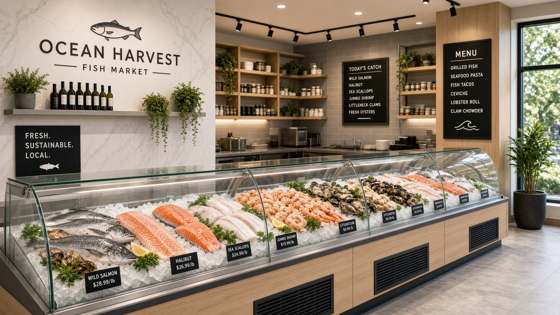
Festivals often include fishers, farms and fishmongers selling to the public. This is a chance to meet the source and ask questions. Check that they display a license, and ask about the catch date, the harvest area for shellfish and how the fish was stored. Buy only what you can keep cold: bring a cooler with ice or frozen gel packs, and go home straight after buying. Frozen products and smoked or canned seafood travel more easily than fresh fish.
Questions that reveal quality
- Where and when was this caught or harvested?
- Has it been frozen, and when was it thawed?
- How is it kept cold here?
- What is the best way to cook it?
Making the day work for the whole family
Bring cash in small bills, since some stalls may not take cards. Ask whether there is a kids' menu or plain options, and check the festival schedule for tasting times and demonstrations. If anyone in your group has a seafood allergy, ask staff what is cooked in the same oil and whether sauces contain fish or shellfish products. Cross-contact is common at busy stalls, so when in doubt, skip it.
Enjoy a seafood festival by scouting before you buy, choosing stalls that keep food cold or hot, and bringing a cooler if you plan to take anything fresh back home.