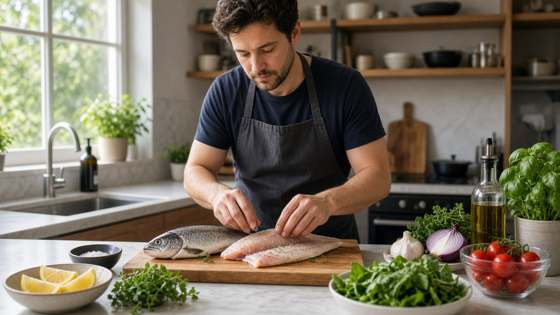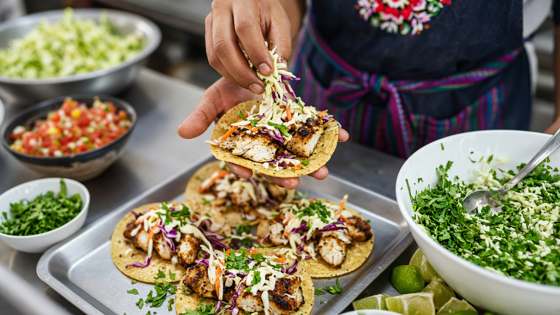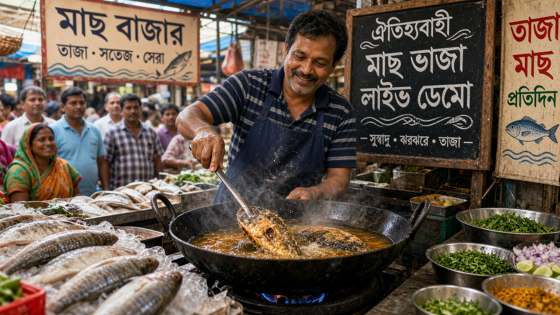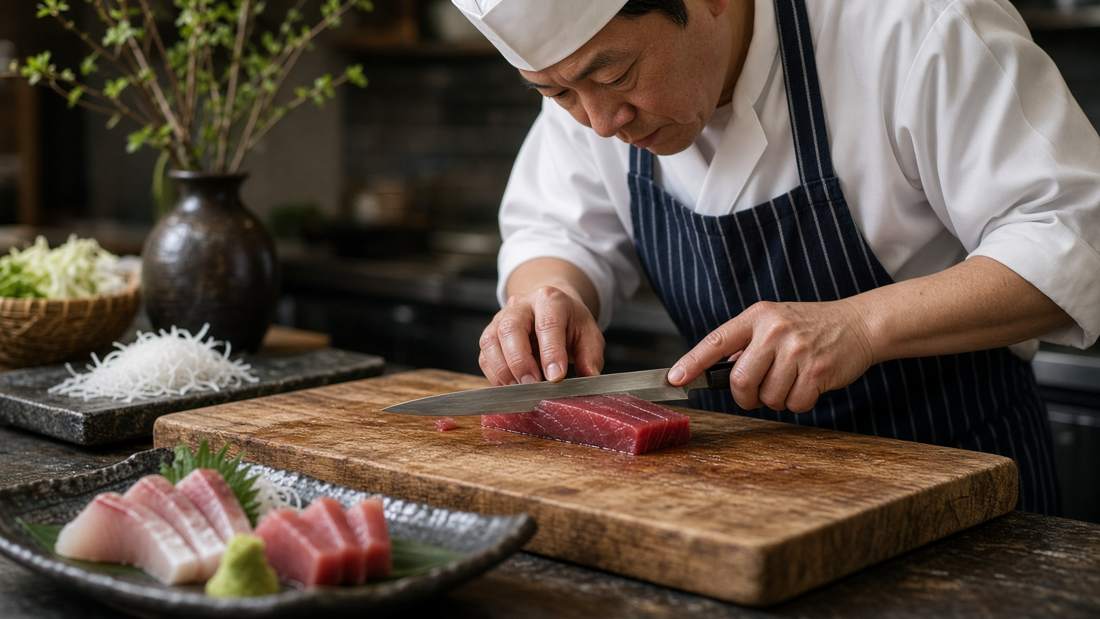
Seafood festivals around the world celebrate a local catch, from oysters and lobster to herring and mussels, and they are some of the best ways to taste a region at its freshest. Rather than a fixed list that goes out of date, this guide explains the types of festival, how to pick a good one and how to eat well and safely once you arrive. Always check dates and details with the organizers, because festivals change.
Types of seafood festival
Oyster festivals
Held in many coastal places, including Galway in Ireland, Whitstable in England, and parts of the US coastline, these often include shucking competitions, tastings of regional varieties and local beer or wine. Oyster varieties vary in salt, minerality and sweetness.
Lobster and crab festivals
Maine, Atlantic Canada and the Chesapeake region hold festivals with boiled lobsters, crab cakes, lobster rolls and crab feasts. Prices at the source are often better than in inland restaurants.
Fish and herring festivals
Across northern Europe, the new season's herring is celebrated with open-air stalls, eaten raw with onion or lightly pickled. See Nordic seafood traditions.
Clam, mussel and shrimp festivals
Gulf Coast shrimp festivals, New England clam festivals and mussel festivals in Belgium and France celebrate local shellfish. Read about New England traditions and Southern seafood culture.
How to choose a good festival
- Pick one run by local fishing communities or growers, not just vendors reselling frozen seafood.
- Check that vendors are licensed and visibly refrigerate raw shellfish.
- Look at reviews from past years for crowds, queues and prices.
- Arrive early; popular dishes sell out.
Eating safely at a festival
Outdoor events make temperature control harder. Choose stalls where hot food is steaming hot and cold items sit on ice. Raw oysters should be kept cold and come from certified sources; the Interstate Shellfish Sanitation Conference explains the shellfish safety system in the US. People who are pregnant, older, or have liver disease or weakened immunity should avoid raw shellfish; see the FDA's advice about eating fish. Skip anything that has been sitting in the sun, and wash your hands or use sanitizer before you eat.
What to order and how to budget
- Order the thing the region is known for, and ask what was caught or harvested nearby.
- Share plates to taste more.
- Bring cash and a small cooler bag if you plan to take fresh seafood home; keep it below 40 F (4 C) and use it within a day or two.
- Ask about allergens; see seafood and allergies.
Making the most of it
Go with a plan: hydrate, wear comfortable shoes, and pace yourself between dishes. Talk to growers and fishers, who are usually happy to explain what is in season. Many festivals also offer cooking demonstrations that teach techniques you can use at home.
Whether you travel to Galway or the nearest harbor, seafood festivals around the world are a delicious lesson in local food. Pick one, check the dates, and go hungry.