New England seafood traditions grew from cold, productive waters and a coastline of small harbors, and they still shape how people from Maine to Connecticut eat. The classics are simple, built on freshness and a few ingredients: chowder, lobster rolls, clambakes, fried clams and baked or fried local fish.
Clam chowder
New England clam chowder is the creamy version, made with clams, potatoes, onion and salt pork or bacon, thickened with milk or cream. (Manhattan chowder is tomato-based, and Rhode Island has clear versions.) Chowder crackers are the traditional side. Make it yourself with our guide to New England versus Manhattan clam chowder.
Buying clams for chowder
Choose live clams with tightly closed shells, or use canned clams and their juice for a quick pot. Discard any live clam with a broken shell or one that stays open when tapped.
Lobster and lobster rolls
Lobster is a signature of the region, especially Maine. Lobster rolls are served two ways, with cold lobster tossed in mayonnaise, or warm lobster dressed with butter (the latter often associated with Connecticut). Both go in a split-top, buttered, toasted bun. See lobster roll: Maine versus Connecticut. Steaming or boiling a live lobster at home is straightforward and takes about 10 to 15 minutes for a one-and-a-quarter-pound lobster; cook until the shell is bright red.
The clambake
A traditional clambake layers seaweed, clams, mussels, lobster, corn, potatoes and sausage over hot stones or in a steaming pot, with the steam cooking everything. At home, a large covered pot or a grill works. Cook shellfish until shells open, and discard any that stay closed.
Fried clams and fish
Fried whole-belly clams are a roadside staple of the region. Haddock and cod are classics for fried fish plates and for fish and chips; "scrod" is a New England term for young cod or haddock, or whatever white fish the market has. Learn the basics in deep-frying seafood at home.
Oysters and other local seafood
- Oysters from many bays are eaten raw on the half shell.
- Steamers (soft-shell clams) are served with broth and melted butter.
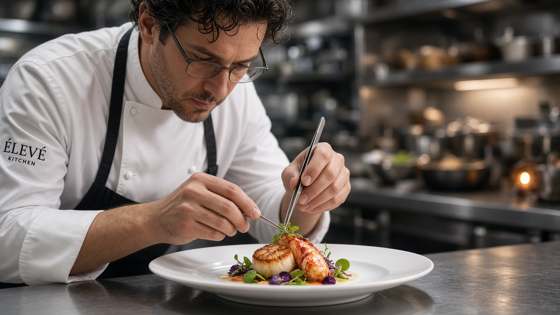
- Scallops, especially from Nantucket and Maine, are seared or baked.
- Baked stuffed quahogs, fish cakes and smoked bluefish also appear on local menus.
Buying and safety tips
- Ask when the seafood arrived and where it was caught.
- Keep live shellfish refrigerated and use within a day or two; see shellfish storage.
- Cook fish to 145 F (63 C); raw shellfish is risky for some groups. See the FDA's seafood safety guidance.
- Look up responsible choices at Seafood Watch.
Whether you eat them at a shack on the coast or make them at home, these dishes share the same ideas: fresh, local and not overworked. Knowing New England seafood traditions makes every chowder and lobster roll taste a little better.