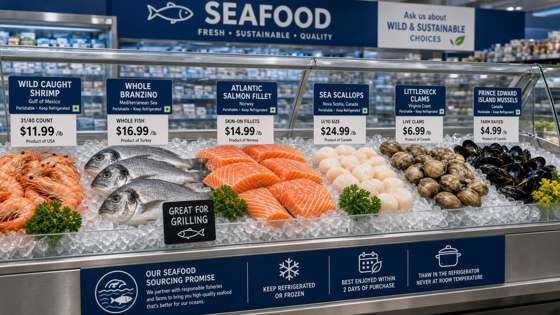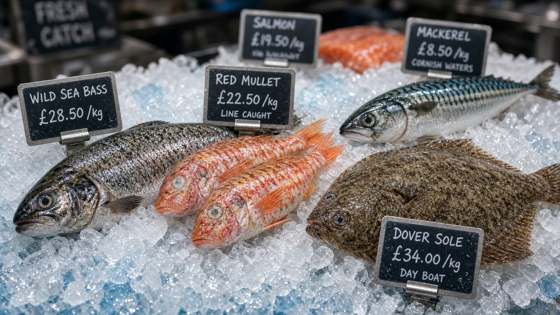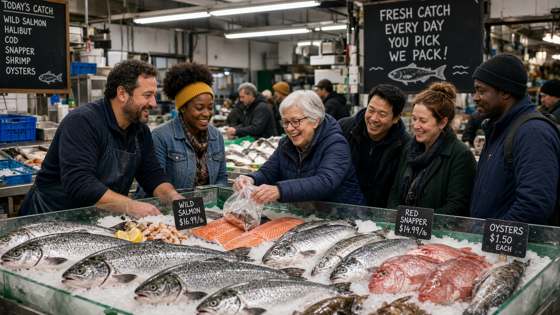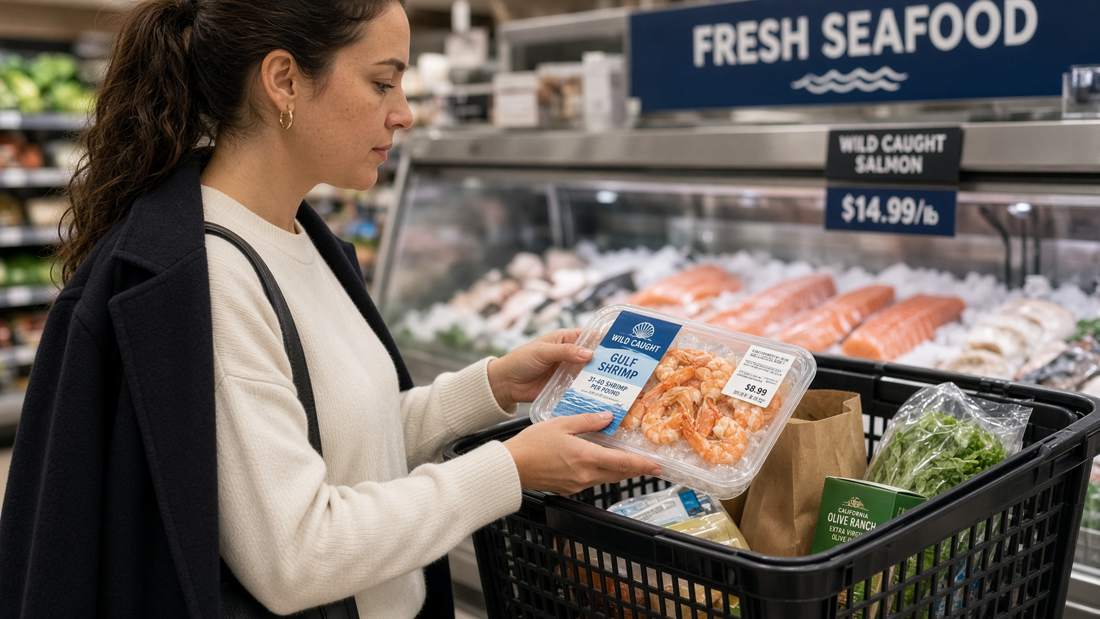
A fish stall at a farmers market can offer some of the best-value seafood you will find, but it only works if the seller keeps the product cold and legal. Knowing the seafood at farmers markets rules and tips that matter to shoppers lets you tell a well-run stall from one you should walk past, and helps you get the best of what is on the ice.
Seafood at farmers markets rules and tips on what a good stall shows you
Rules for selling seafood at markets vary by state, county and country, and they change, so check current rules with your local health authority if you want specifics. In general, a seller of fish or shellfish is expected to hold the right permits, keep products at safe temperatures and be able to tell you where the product came from. What you can see for yourself is plenty:
- Everything is on ice or in a cold unit. Fish should be nestled in plenty of clean ice or in a working refrigerated case, not sitting on a bare table.
- Display is tidy. Raw and ready-to-eat items such as smoked fish are kept apart, with separate tongs and gloves.
- The seller can name the product. Species, how it was caught or farmed, and when. Vague answers are a warning sign.
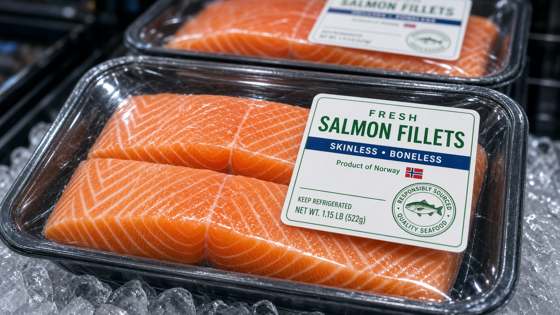
- Permits and labels are visible. Many places expect a posted permit or labeled packaging. Ask if you do not see one.
- Shellfish has documentation. Shellfish should come from approved waters. The Interstate Shellfish Sanitation Conference explains how that system protects shoppers.
Checking the fish itself
Fresh fish: seafood at farmers markets rules and tips
Look for clear, plump eyes, moist and shiny skin, bright red or pink gills and a clean, mild sea smell. Flesh should spring back when pressed. Our guide to recognizing freshness in fish goes through each sign in detail.
Shellfish
Live clams, mussels and oysters should have closed shells, or shells that close when tapped. Discard any that stay open or smell off. See shellfish storage for clams, mussels and oysters for how to keep them at home.
Frozen and smoked products
Frozen fish should be solid, with no heavy ice crystals or freezer burn. Smoked and cured items should stay refrigerated and carry a date. If the stall has no way to keep them cold, buy elsewhere.
Practical tips for the best experience
- Bring a cooler bag with ice packs. Seafood should go straight into the cold, especially on a warm day. Do shopping for seafood last, then head home. Our piece on transporting seafood in personal vehicles has more.
- Go early for choice, late for bargains. Early gets you the full selection. Some sellers lower prices near closing rather than carry fish home, but only buy if it is still cold and firm.
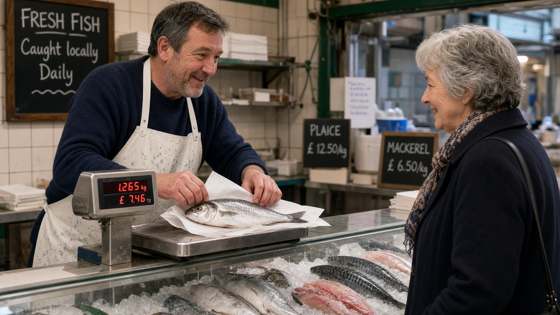
- Ask for a recommendation. Sellers know what is best that week and how they like to cook it.
- Ask about cutting. Many will fillet or clean a whole fish on the spot, which also lets you take the bones home for stock.
- Compare price per pound. Market prices can be higher than at a chain, but fish may be fresher and better traced. Decide what you value.
When to walk away
Skip a stall if fish sits at room temperature, ice has melted to water, there is a strong ammonia or sour smell, or the seller will not say where the fish came from. The FDA advice about eating fish is useful for deciding what to serve to children, older adults and pregnant women.
These seafood at farmers markets rules and tips boil down to a few questions: is it cold, is it labeled, and can the seller tell you the story? If the answer to all three is yes, you can buy with confidence and enjoy some of the freshest fish in town.