Early in the morning at a busy port, a catch is laid out in crates and sold in minutes to whoever bids highest. Understanding seafood auctions gives you a clearer picture of why fresh fish costs what it does, and why the price at your local counter can change from one day to the next even when nothing seems different.
What happens at a fish auction
At an auction, buyers such as fishmongers, wholesalers and restaurants bid on lots of fish, usually sorted by species and size. Formats vary around the world. Some are spoken or hand-signal auctions, some use a falling price clock where the first buyer to press the button wins, and some are run electronically. Whatever the style, the aim is the same: let competing buyers set a price that reflects supply that day.
That is why auction prices are a useful signal. A large landing of one species usually means lower prices, and a poor landing after bad weather means higher ones. The price reached at the auction is the first link in the chain that ends in the number on your counter card.
Why auction fish can be a good sign
- Short time from boat to market. Fish sold at a port auction has often been landed that day or the night before.
- Visible quality. Buyers inspect eyes, gills, skin and firmness before bidding, so poor fish tends to sell for less or not at all.
- Clear provenance. Lots are normally tied to a named vessel or landing port, which helps with traceability.
None of this guarantees quality at the shop, because what happens afterward matters too: ice, temperature and time. Our cold chain from boat to plate guide explains what to look for.
Understanding seafood auctions as a shopper
Understanding seafood auctions: can the public buy?
Often not. Many auctions are trade-only, with registered buyers and bulk lots. Some ports and markets allow visitors to watch, and a few hold public sales or have retail stalls beside the auction hall. Check the market's own website or call ahead, because rules vary and open hours can be very early.
Buying from the people who bought there
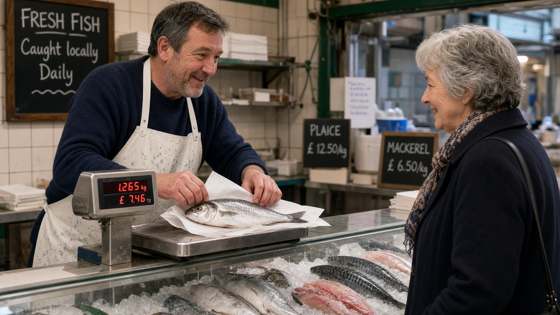
The practical route for most of us is to buy from a fishmonger who sources through an auction. The FishWatch site is a handy way to learn about any species you are offered. Ask where the fish was landed and when. A good seller will tell you the port or vessel. The conversation guide in ask your fishmonger the questions that reveal quality and sourcing offers more useful questions.
How auction results show up at the counter
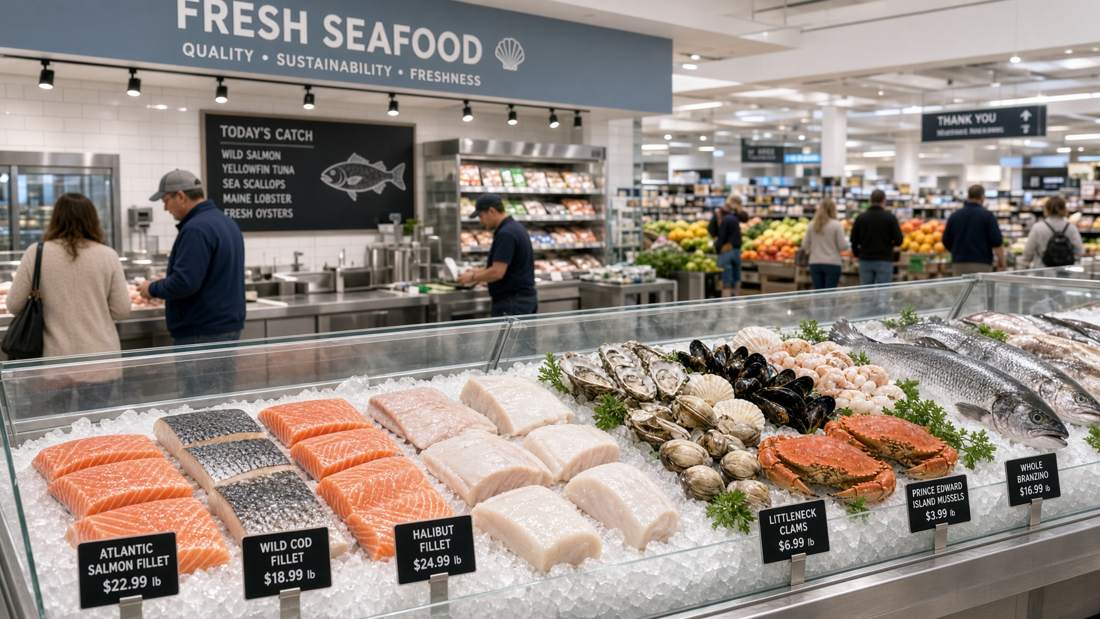
A shop that buys at auction pays the day's price plus its own costs of cutting, ice and labor. When the auction price rises, the shop may hold its counter price for a day, or raise it quickly, depending on how much stock it already has. When prices fall, you may see a "today only" sign on a species that was cheap that morning.
Tips for using this:
- Visit midweek when supply is typically steadier and the rush is lower.
- Ask what was cheap at the market that morning and cook that.
- Buy whole fish when you can; it is usually the best value per edible pound.
- Look for species with good sustainability ratings on Seafood Watch before you commit to a large purchase.
Understanding seafood auctions will not change the fish in your basket, but it will change how you read a price card. When you know the market sets the number each morning, you can ask better questions and shop the day's best catch rather than the same fillet every week.