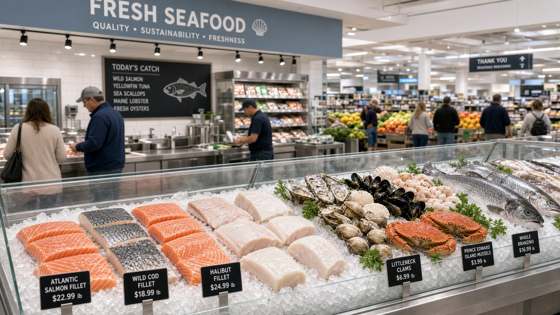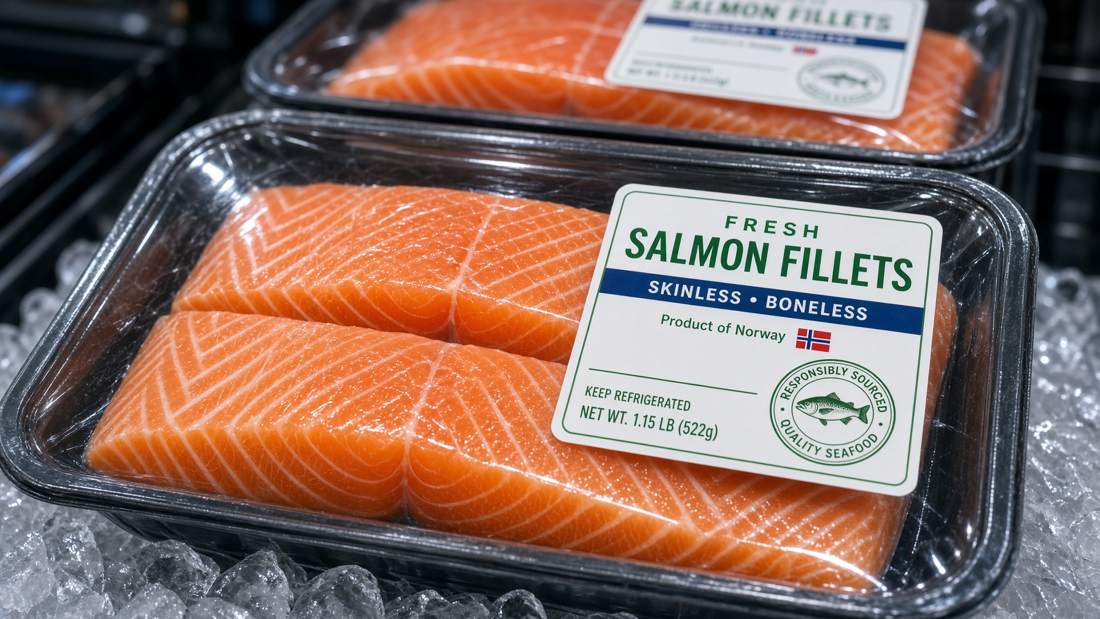
Two shops on the same street can sell the same fish at very different prices, and one of them may never change its price at all. The difference often comes down to spot markets vs contracts in seafood, which are the two main ways sellers buy what they put in the case. You never see the paperwork, but you feel the result every time you shop.
Spot markets vs contracts in seafood, in plain terms
A spot purchase means the seller buys a product at the going price on the day. If supply is tight, the price is high. If a boat lands plenty of the species, it is lower. A contract means the seller agrees in advance to buy a set amount, usually at a price or price range agreed ahead of time, often from a processor or distributor they know.
Neither is better in every case. Spot buying lets a shop jump on a good catch and pass the saving on. Contracts give a shop steadier costs and a reliable supply, which matters for items customers expect every week.
What each approach means at the counter
Spot markets vs contracts in seafood: shops that buy on the spot
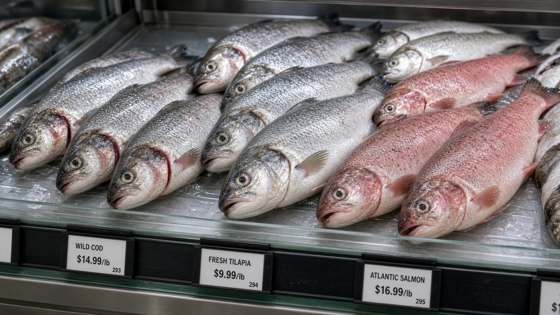
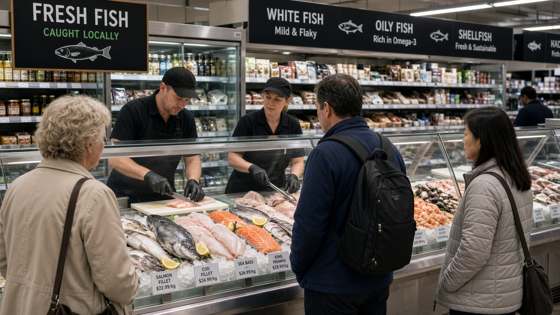
Expect a changing selection and changing prices. A small fishmonger who buys what came in that morning might have local flounder one week and none the next. The upside is freshness and occasional bargains. The downside is that you cannot count on a favorite item being there.
Shops and chains that rely on contracts
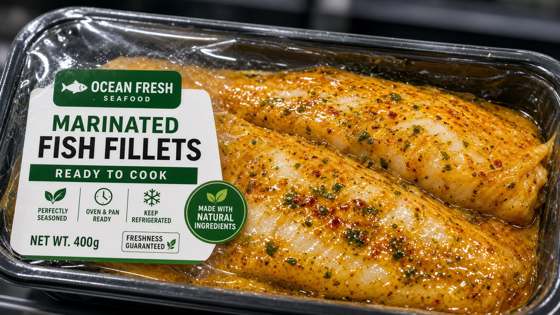
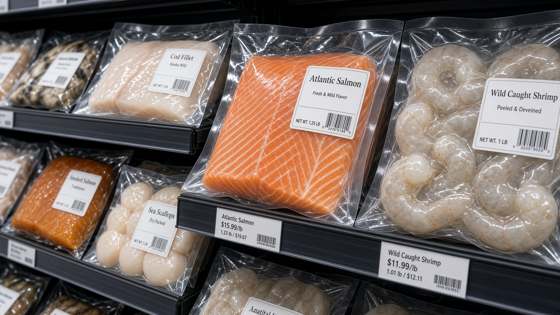
Supermarkets and large retailers need the same products on the shelf every day, so they usually lean on contracts and regular suppliers. You get consistency: the same salmon portions, the same frozen shrimp bags, steadier prices and promotions planned weeks ahead. You may see fewer unusual species, and prices may not drop quickly when the market does.
How to shop around both models
- For staples, favor steady sellers. If you cook salmon fillets or frozen shrimp every week, a seller with predictable pricing makes budgeting easier.
- For bargains and variety, ask a spot buyer. Ask the person behind the counter, "What is the best buy today?" They will often name something that landed in strong supply.
- Be flexible on species. Swapping cod for pollock or haddock, or one white fish for another, lets you follow the market. The FishWatch profiles help you compare options and see what tastes similar.
- Watch for promotions. A chain promotion on a contracted product is usually planned and genuine, but compare the price per pound, not the headline.
Why prices do not always move together
If boats are landing more of a species, you might expect every shop's price to fall. It does not always happen. A shop locked into a contract keeps paying the agreed price, and a shop carrying older stock bought at a higher price sells it at that level first. Meanwhile shops buying on the spot may drop prices within days. When one counter has a sudden low price, that is a hint that the market has moved.
Frozen seafood adds another layer. Frozen product can be held and sold across seasons, which is why frozen prices tend to be steadier than fresh. Our guide on seasonal pricing fluctuations covers when fresh prices usually rise and fall, and how wholesale seafood pricing works shows the costs behind them.
Questions worth asking
- Is this fish from this morning's delivery or a standing order?
- Will this price hold through the weekend?
- Is there a comparable species that is cheaper right now?
Sellers who buy carefully are glad to answer, and the answers tell you how they source. For labels and origin rules, the FDA advice about eating fish is a reliable reference when you are choosing what to serve.
Once you know the difference between spot markets vs contracts in seafood, price changes stop looking random. Choose a steady seller for the items you rely on, and a spot-buying fishmonger when you want the best of the day.