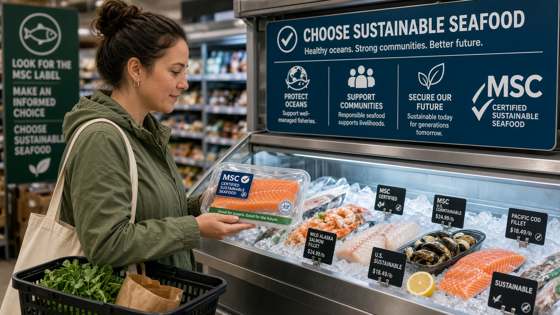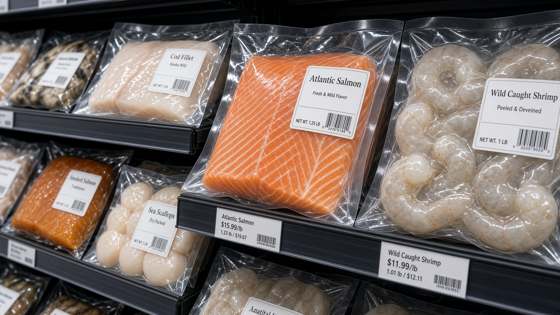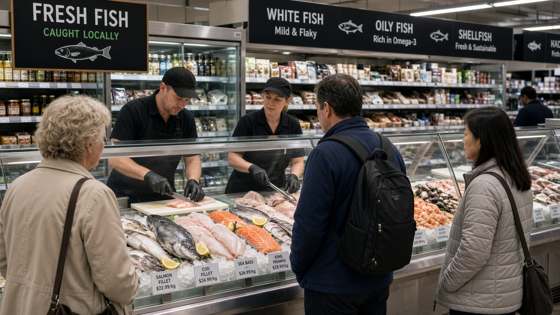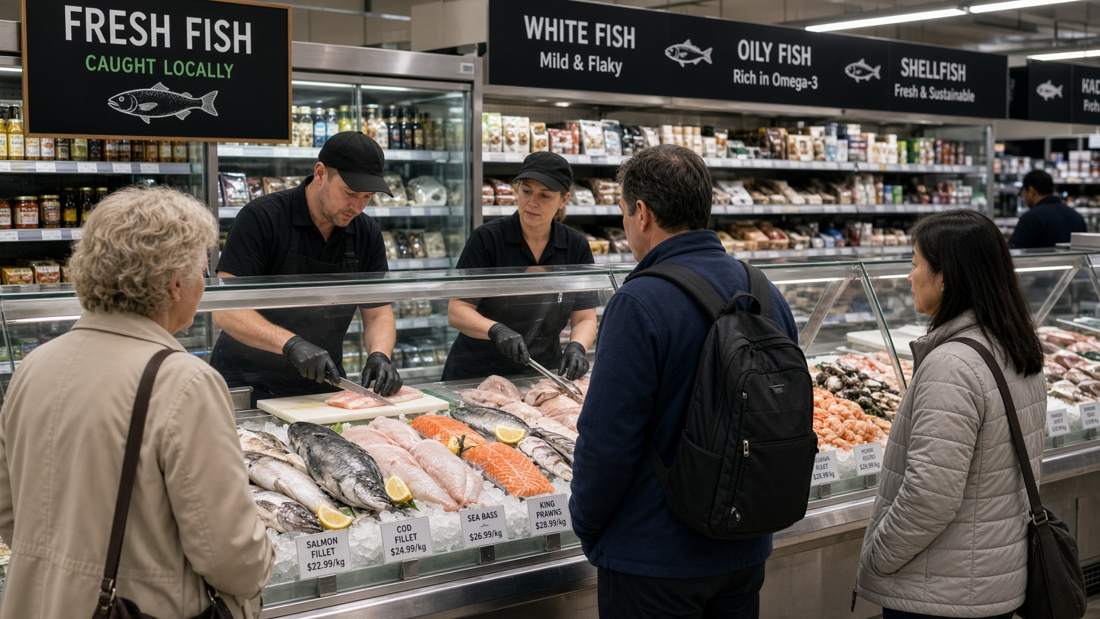
Seafood prices follow the calendar more than most groceries, and seasonal pricing fluctuations are the reason a pound of crab can cost far less in one month than another. Three forces drive them: what the boats and farms can supply, what the fish are doing in nature, and what shoppers want to cook. Knowing which one is at work tells you when to buy and when to wait.
What causes seasonal pricing fluctuations
Supply behind seasonal pricing fluctuations
Many fisheries open and close at set times to protect spawning fish, and some species are only caught in certain months. When a season opens, a burst of fresh supply often means lower prices, followed by higher ones as the season winds down. Storms and rough seas also reduce landings for days or weeks. Fisheries rules vary by region and change often, so check the local management agency or ask your fishmonger what is in season; the NOAA overview of fisheries management explains how seasons and quotas are set in the United States.
Biology: fat, size and spawning
Fish change through the year. Some are richer and tastier at particular times, and some are hard to catch outside their runs. A species can be abundant but at its leanest, so cost and quality do not always move together.
Demand: holidays and traditions
Demand for certain items jumps at predictable moments: shrimp and lobster at year end, salmon and shellfish in summer grilling season, fish for Lent, and special-occasion seafood for family gatherings. Higher demand with the same supply means higher prices, even for products that were frozen months ago.
How to shop around seasonal pricing fluctuations
- Buy in-season species. Ask your seller what is running now. Local, in-season fish is typically fresher and cheaper.
- Shop early for holidays. Frozen shrimp, scallops or crab bought a week or two before a holiday avoids last-minute price rises. Freezer tips are in freezing fish techniques for quality retention.
- Stock up on frozen. Frozen product is often steadier in price than fresh. See fresh vs. frozen nutrition and taste.
- Be flexible on species. If a favorite is pricey, a similar fish may be cheaper. Browse species profiles at FishWatch for ideas.
- Watch for gluts. A big landing is often a good moment for a bargain. Ask what is plentiful.
Fresh versus frozen across the year
Out-of-season fresh fish is often imported or previously frozen, and the price reflects the extra cost of moving it. In those months, a good frozen product can taste better and cost less than a fresh one that has traveled far. Check labels for origin and handling; seasonal quality variations in seafood looks at how quality shifts too.
Do prices always follow the pattern?
No. Weather, fuel costs, trade rules and currency changes all play a part, and these can offset or amplify seasonal changes. A season can be late or early, quotas can change from year to year, and a single storm can shift a month's prices. That is why watching your own local counter beats relying on a rule of thumb. For how the market sets the starting number, see how wholesale seafood pricing works.
A simple yearly routine
- Note the price per pound of your three most-bought items every month for a year.
- Buy extra and freeze when they dip.
- Switch species when one spikes.
Seasonal pricing fluctuations are predictable enough to plan around and unpredictable enough to reward attention. Ask the person at the counter what is in season, keep a little freezer room for good deals, and you will usually beat the shoppers who buy the same thing in the same week as everyone else.