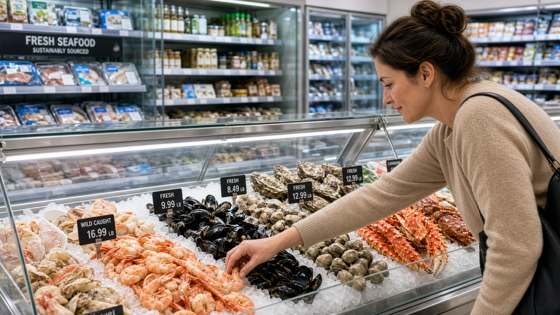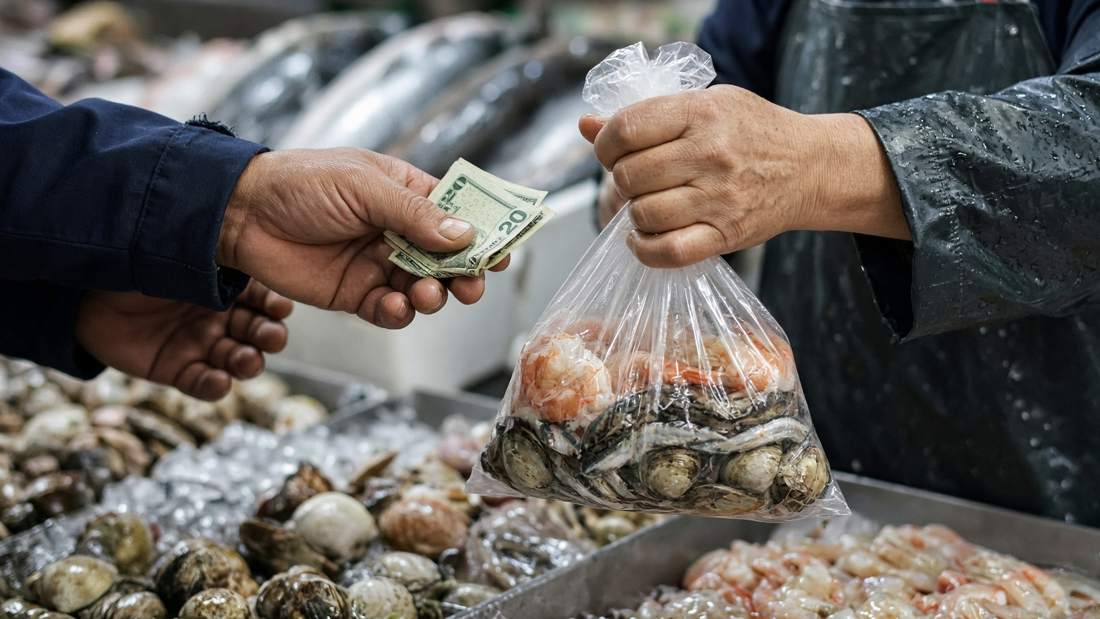
Behind every price card at the fish counter are pricing strategies for retail seafood that shops use to cover costs, attract customers and manage a product that spoils quickly. You do not need to be in the business to benefit from knowing them. Spotting what a shop is doing helps you decide which deals are real and which are only clever presentation.
Common pricing strategies for retail seafood, and what they mean for you
Cost plus a margin
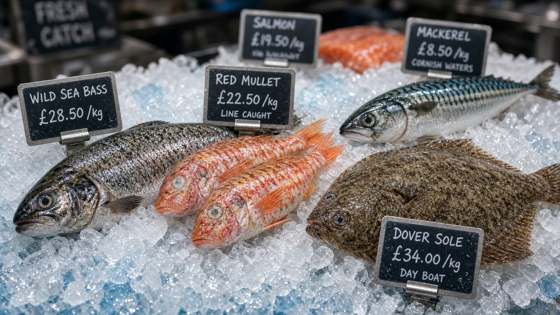
The simplest approach: the shop adds a margin to what it paid. Because fresh seafood has waste, trimming and spoilage, margins are often higher than on packaged goods. This is why whole fish and frozen products often look cheaper than fillets. For the cost side, see how wholesale seafood pricing works.
Loss leaders in pricing strategies for retail seafood
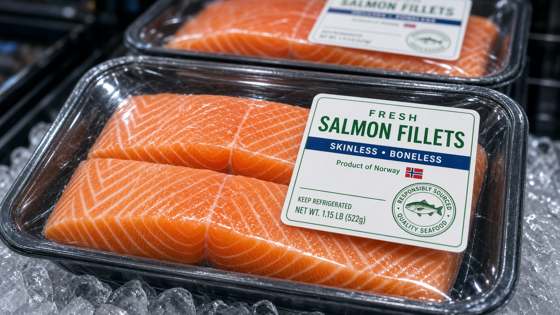
A store may price one popular item, such as shrimp or salmon, very low to bring you in, hoping you buy other things. The deal is usually genuine. Take it, and check the rest of your basket against other stores.
Bundles and multi-buy offers
"Two for ten dollars" or "buy a pound, get crab cakes half price" can be good value if you would have bought both anyway. Work out the price per pound or per portion before you decide.
Charm pricing and rounding
Prices ending in 99 cents are designed to feel lower. Ignore the ending and compare the per-pound figure with other shops.
End-of-day markdowns
Fresh fish that must sell today is sometimes marked down. This can be real value if you cook it that evening. Ask about the date it came in, and check the signs in our recognizing freshness in fish guide.
How to get the best price per edible pound
- Compare edible weight. Whole fish, shell-on shrimp and bone-in cuts weigh more than you eat.
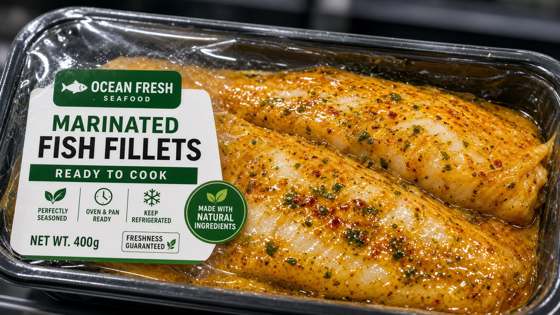
- Check glaze and added water. Frozen fish with heavy ice glaze and treated scallops can carry water weight.
- Buy in season. Species in plentiful supply cost less. See seasonal pricing fluctuations.
- Substitute species. Swap salmon for trout or arctic char, or cod for pollock, in recipes where it suits.
- Use frozen. Quality frozen fish is often an excellent value. See fresh vs. frozen nutrition and taste.
- Ask for trim and bones. Many counters will give or sell fish frames and trimmings cheaply for stock or chowder.
When a deal is not a deal
- Short dates. A big discount on product close to its use-by date only helps if you will cook or freeze it immediately.
- Unclear species. A "white fish fillet" at a rock-bottom price may be a different, cheaper fish than you expect. Look up species at FishWatch.
- Quantity traps. A bulk pack saves money only if you can store it. Freezing guidance is in freezing fish techniques for quality retention.
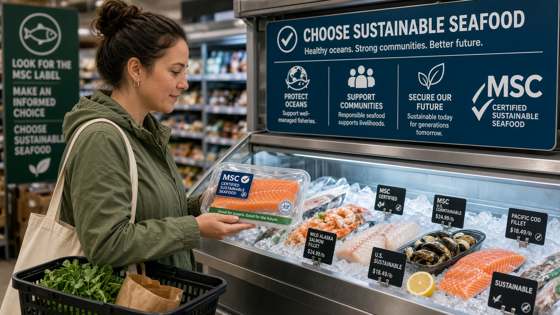
Cost, quality and sustainability do not always line up. If you want to cook sustainably on a budget, Seafood Watch has recommendations by species that you can use alongside price.
Knowing the main pricing strategies for retail seafood puts you in control of the shop floor. Look at the per-pound figure, think about edible weight, and use promotions for foods you already buy. A sharp eye and a flexible menu are worth more than any coupon.