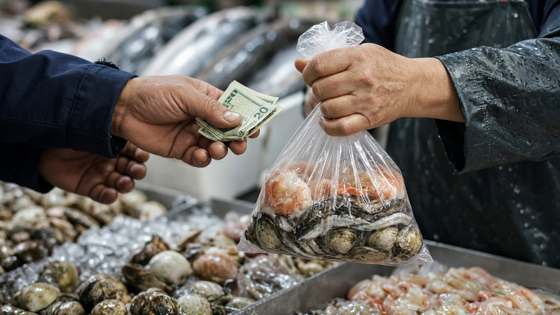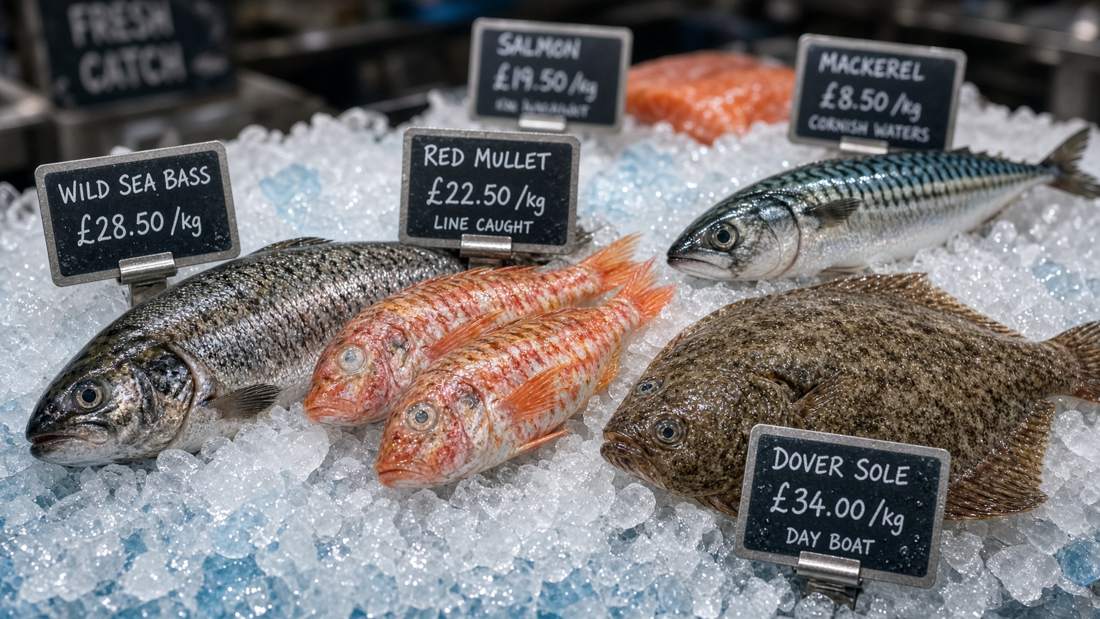
You can sometimes negotiate seafood prices, but it works only in certain places and in certain ways. A supermarket tag is fixed, while a fish market, dock sale or farmers market stall may have room to move on larger or end-of-day purchases. The key is to ask politely and offer something in return.
Where you can negotiate seafood prices
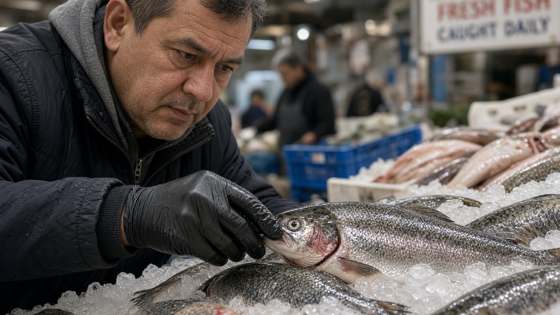
Negotiate seafood prices: independent fish shops and markets
Small sellers can adjust prices for regular customers or larger purchases. Ask, "Is there a better price if I take the whole fish?" or "If I buy three pounds, can you do better?" Buying whole fish and letting the seller fillet it is often cheaper than buying fillets.
Dock and direct sales
Buying from a boat or small producer may offer lower prices because middlemen are cut out. Rules vary on selling from vessels, so look for sellers who are clearly licensed and ask how the catch was handled. See buying direct from the boat and direct-to-consumer seafood sales.
Farmers markets
Prices are usually posted, but sellers often discount near closing, or give a better price on a bulk bag. Be reasonable; a small seller's margin is thin.
Better ways to save than haggling
- Buy in bulk and freeze portions, if you have the room.
- Ask what is in abundant supply today.
- Take cheaper cuts: collars, tails, trim, and whole fish.
- Join a seller's list for specials; see loyalty programs for seafood shops.
- Choose a CSF share or regular box that gives a lower per-pound cost. See community-supported fisheries explained.
How to ask
Be friendly and specific. Ask about the quantity, not about "your best price." Pay promptly, and come back; regular customers are the ones sellers want to keep. Do not push for a price that suggests the seller cut corners on handling. Cheap fish is only a bargain if it was kept cold and handled well.
Timing helps
Arriving late in the day, when stock is lower and sellers want to clear it, can lead to a better price, but your choice will be narrower. Arriving early gives you the best selection. Decide whether you want the best fish or the best price, and shop accordingly. If you plan to freeze, buy extra when a seller offers a lower price on a full case or a bag of portions, and split the order with a neighbor if it is too large.
What not to haggle over
Food safety is not negotiable. Do not accept fish that has been left out, and avoid unlabelled products. Check that fish smells clean and looks fresh, and follow FDA shopping advice. For general buying tips and species information, see NOAA FishWatch.
If you want to negotiate seafood prices, ask where there is room, buy larger or later in the day, stay polite and never trade away freshness for a discount.