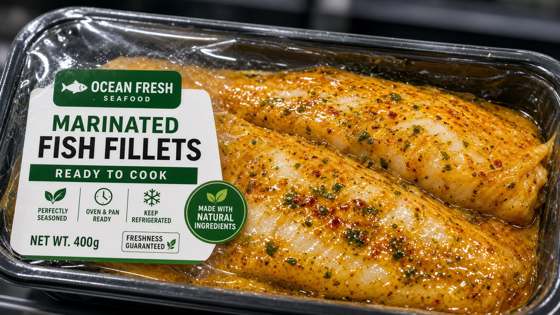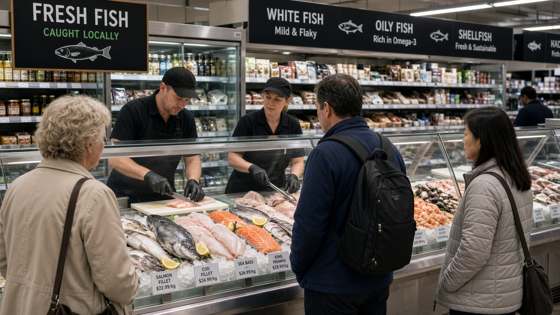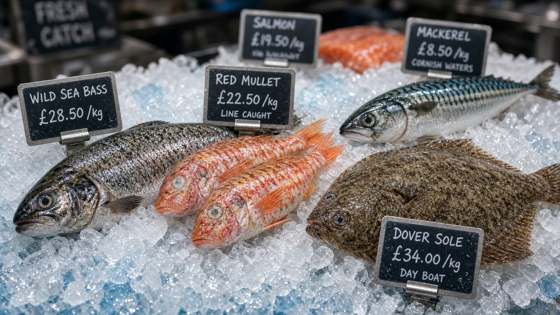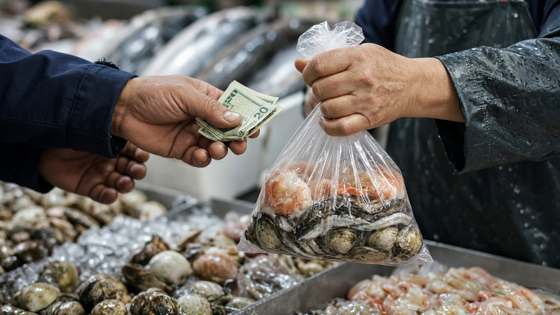
Seafood prices change from week to week, and sometimes day to day, because the supply is unpredictable. Weather can keep boats in port, a run of fish may arrive all at once, and a retailer holding fish that is near its best date may cut the price to sell it. Understanding this helps you shop smarter.
Why seafood prices change
- Catch and harvest: a big landing can lower prices; a poor season raises them.
- Weather and sea conditions: storms limit fishing and shipping.
- Season and demand: holidays and Lent increase demand for some items. See seasonal pricing fluctuations.
- Imports and exchange rates: a lot of the seafood sold in the United States is imported, so shipping costs and trade rules can affect price. See import versus domestic seafood markets.
- Freshness: fish nearing the end of its fresh window may be marked down.
What "market price" means
Some counters and menus list lobster, crab or certain fish as "market price" (often written MP). It means the price follows what the seller paid recently. You are allowed to ask for today's price before you order. For background, read how wholesale seafood pricing works.
Pricing that changes during the day
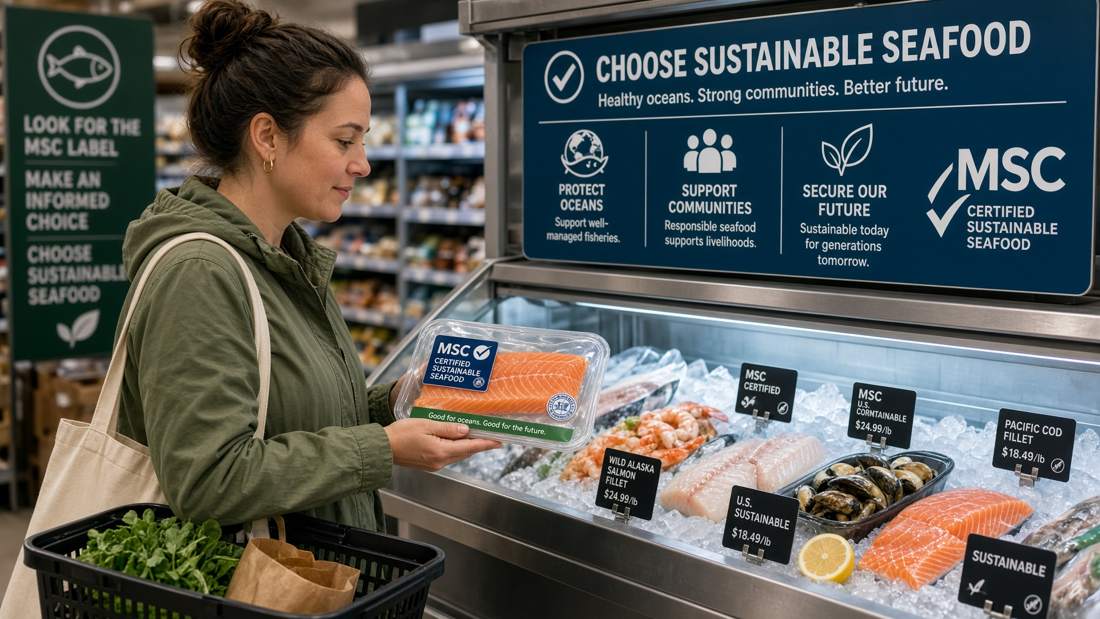
Some stores and online sellers adjust prices more often than others, using specials, end-of-day markdowns or limited-time offers. Digital price tags and apps can make changes visible. When a price is lowered because of freshness, the fish should still be safe and good, but cook it promptly.
How to shop when seafood prices change
- Learn the usual price per pound for the fish you buy most. Then you will recognize a real bargain.
- Ask the counter, "What is the best value today?" Staff know which fish came in large quantities.
- Be flexible: if halibut is expensive, a mild white fish like cod or pollock may be a good substitute.
- Buy frozen or canned when fresh is high.
- Check the unit price, since pack sizes change.
Spotting a real bargain
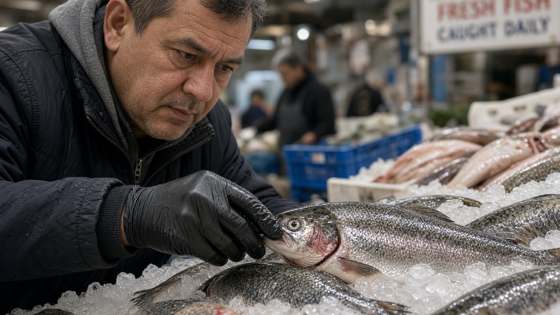
A genuine bargain is a good fish at a lower price because supply is high. A false one is old fish with a low price tag. Ask when the fish arrived, look at it closely and smell it. Whole fish should have clear eyes and red or pink gills. If the seller cannot say when it came in, assume it is not the freshest.
Checking quality when the price is low
A low price is a good deal only when the fish is good. Look for firm, moist flesh and a clean smell; recognizing freshness in fish lists the signs. The NOAA FishWatch species profiles can help you find alternatives with similar taste and texture, and the FDA guidance covers storage once you get home.
Seafood prices change for ordinary reasons, so the best response is to know your usual price, stay flexible on species and treat a low price as a prompt to inspect the fish, not to buy it without looking.