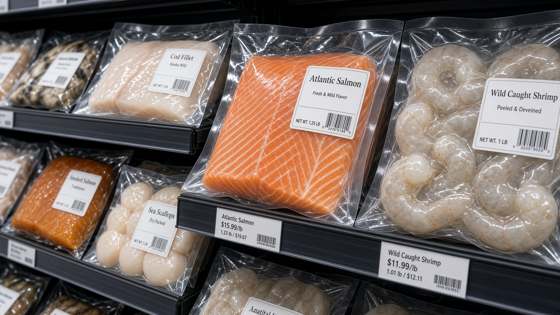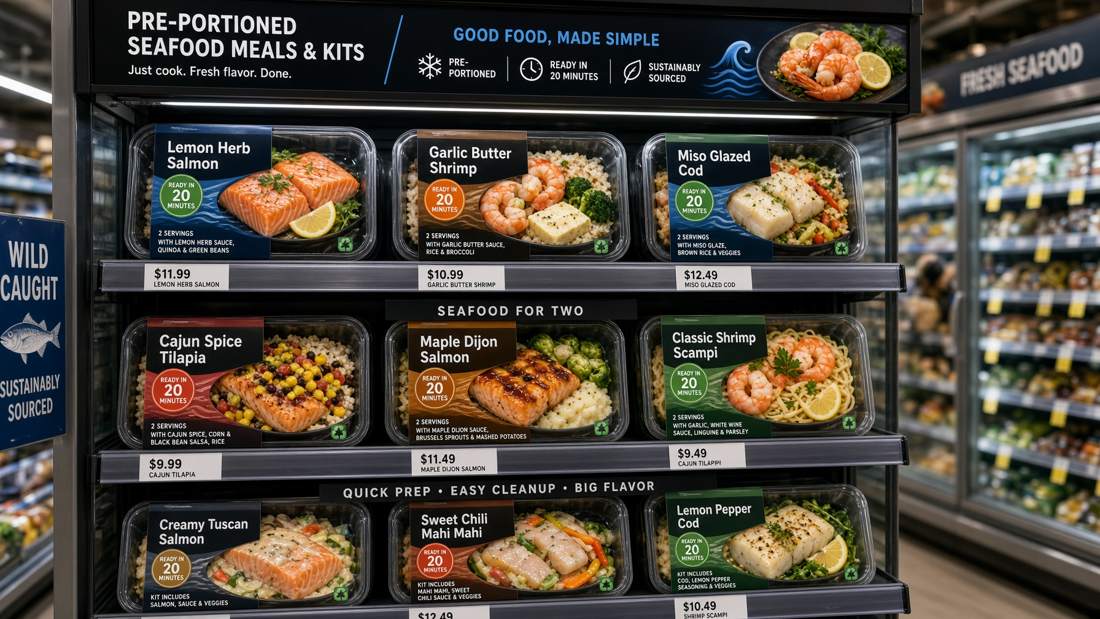
A large share of the seafood eaten in the United States and many other countries is imported, and the import vs domestic seafood question comes up whenever shoppers want to choose well. The label "imported" says nothing about quality by itself, and "domestic" does not guarantee freshness. What matters is how the product was caught or farmed, handled and labeled.
Why imports are so common
Some of the most popular seafood, including shrimp, salmon and tilapia, is farmed or caught in many countries and shipped around the world. Demand for those items is high, and there are places where farming or fishing costs less or where conditions suit the species. Meanwhile, some domestic catch is exported to other markets. This trade means a single species at your counter might come from several different countries across the year. For more on how this trade works, see seafood export basics.
Import vs domestic seafood: what actually differs
Import vs domestic seafood: freshness and handling
Domestic fish landed nearby can reach you quickly, which helps with freshness, but not always. Imported seafood is usually frozen soon after harvest, often at sea or at a processing plant, then shipped frozen. Well-frozen product can be excellent. Poorly handled fresh fish, imported or not, will disappoint. The deciding factor is the cold chain, covered in the cold chain from boat to plate.
Safety and oversight
Imported seafood sold in the US is expected to meet the same safety requirements as domestic seafood, and the FDA oversees imports as part of its seafood program; see the FDA seafood HACCP page. Standards and enforcement vary by country and by company, so check current rules and look at what the seller can tell you about their suppliers.
Sustainability
Both imported and domestic seafood range from very well managed to poorly managed. A species caught in one country may be a good choice, while the same species from elsewhere is not. Use a tool like Seafood Watch or the Marine Stewardship Council label, which look at the specific fishery or farm, not just the nation.
Price
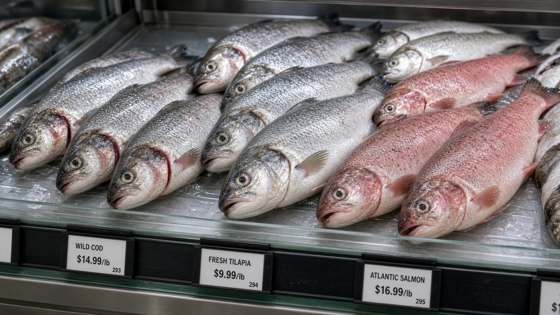
Imported farmed products are often cheaper because of scale. Domestic wild seafood from small boats may cost more, partly because of labor and fuel costs. Neither is always the better buy; compare per-pound prices and edible weight.
How to find the origin
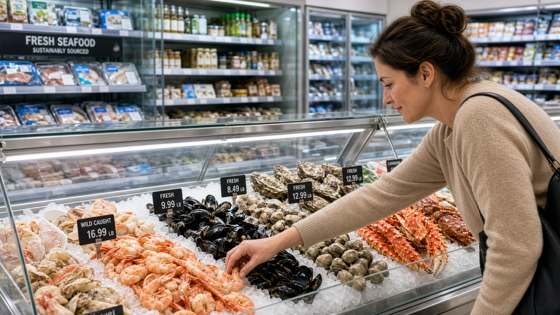
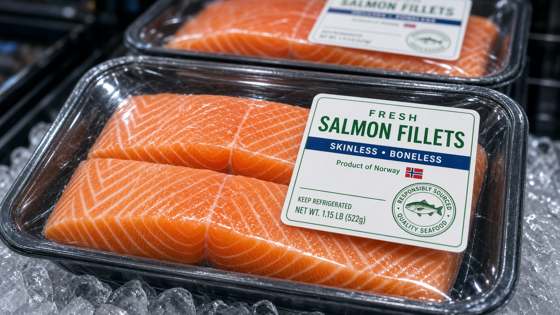
- Check the package or counter sign. In the US, many fish and shellfish must show the country of origin and whether they are wild or farmed. Details are in country of origin labeling (COOL) explained, and the USDA page on COOL has the official rules.
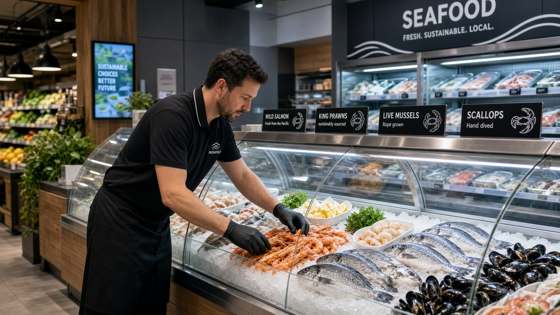
- Ask the seller where and how it was caught or farmed.
- Look for a certification you can verify.
- Be wary of vague claims such as "local style" or a flag on the pack with no explanation.
Making a practical choice
- Choose domestic or local when freshness and seasonality matter most, such as fresh shellfish and whole fish.
- Choose well-labeled frozen imports for staples like shrimp or fillets when price and convenience matter.
- Choose by the fishery or farm, not by the flag alone.
The import vs domestic seafood debate is less about nationality than about information. A seller who can tell you the species, origin, method and handling is giving you what you need, whichever way the fish traveled.