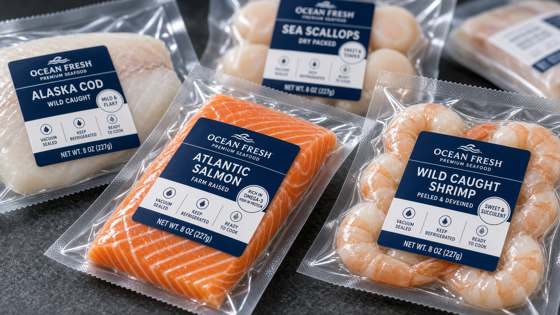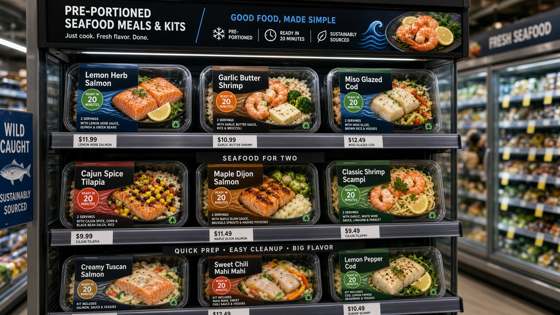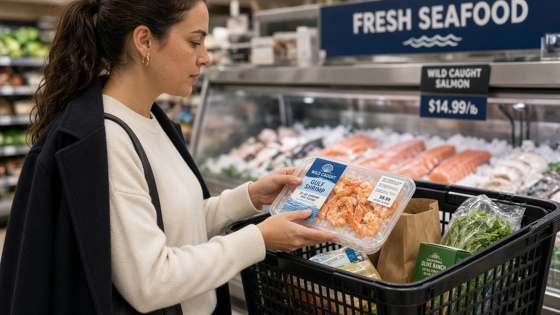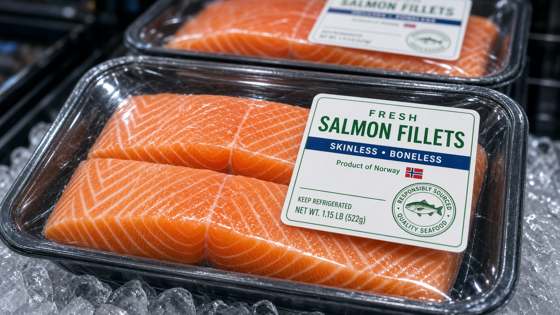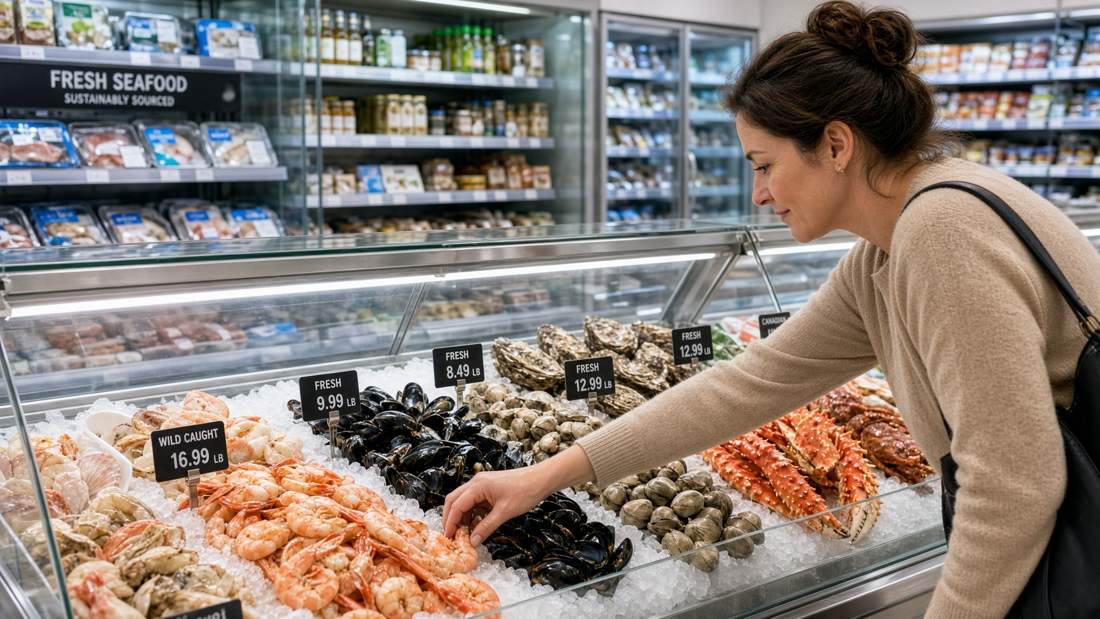
Seafood imports and exports are part of almost every fish counter, because fish is traded across borders more than most foods. Some of the salmon, shrimp and cod you buy was caught or farmed in another country, and some fish caught near you may be shipped abroad for processing. None of this is good or bad on its own; what matters is how the product was handled and labeled.
Why seafood crosses borders
- Demand and supply: a country may not catch enough of the species its shoppers want.
- Species preference: shrimp, salmon and tuna are popular in many countries, but are grown or caught in particular regions.
- Processing: some fish is exported to be filleted or packed, then returned to the home market.
- Season: imports can fill gaps when local fishing is closed. See seasonal pricing fluctuations.
The FAO fisheries and aquaculture pages give an overview of the global picture if you are curious.
How seafood imports and exports affect freshness
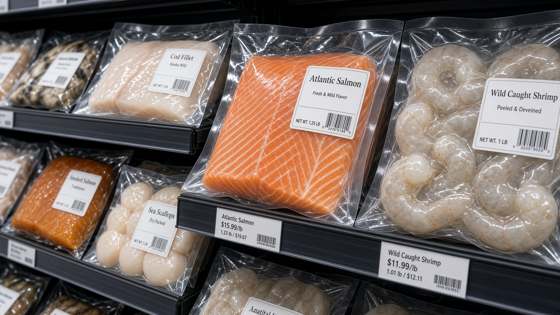
Most imported seafood arrives frozen, or chilled and shipped by air. Frozen fish handled well can be excellent, and sometimes better than a fresh fillet that has traveled slowly. Look at the pack: it should be solid, with no heavy frost. For fresh imports, ask when it arrived. Our article on the cold chain from boat to plate explains how temperature is kept steady along the way.
Reading origin on labels
Seafood imports and exports: country of origin and method
In the United States, many fresh and frozen fish and shellfish at retail must be labeled with country of origin and wild or farmed method, as explained on the USDA country of origin labeling page. Processed and prepared products may be exempt. See country of origin labeling explained.
Import checks
Imported seafood must meet U.S. food safety rules. For certain species, importers also report data under the NOAA Seafood Import Monitoring Program, designed to help prevent illegally caught or mislabeled fish from entering the market. For more, read the SIMP explained.
Imported or domestic: how to choose
You do not need to avoid imports or buy only domestic fish. Instead, compare on what you care about: freshness, price, species, and sourcing. A well-labeled imported frozen fillet can beat an unlabeled domestic one. Look for origin, a certification you can verify, and a trustworthy seller. If supporting local fishers matters to you, ask for domestic or regional catch when it is in season.
Price effects
Trade conditions, shipping costs and exchange rates can all move prices. When one source becomes expensive, sellers shift to another, which is why the same fish can come from different countries at different times of the year.
Understanding seafood imports and exports helps you read the label with confidence: find the origin, check the form and temperature, and judge the fish on its handling, not just its passport.