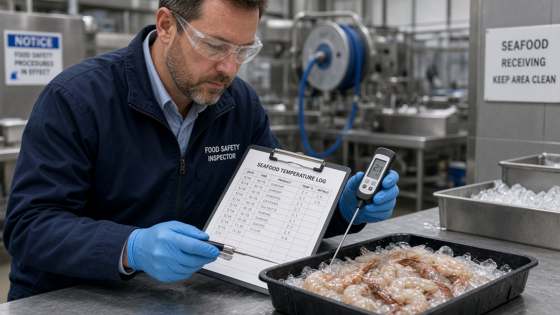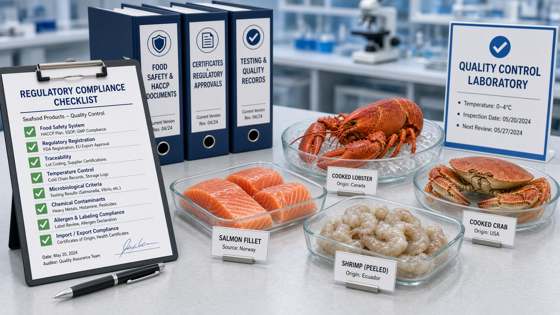
The SIMP seafood import monitoring program is a NOAA Fisheries requirement that lets the United States trace certain imported fish and shellfish back to where and how they were harvested. It was created to keep illegally caught and mislabeled seafood out of the US market, and it affects many common products you may buy, including tuna, shrimp and cod.
What the SIMP seafood import monitoring program requires
Importers of covered species must report information about the harvest and the chain of custody when the shipment enters the United States, and they must keep supporting records. The data typically includes the species, the harvester or farm, the harvest location and dates, and the landing and processing steps. Compliance began in 2018 for the first group of species and was extended to shrimp and abalone later. NOAA describes the program on its SIMP page, where you should check current rules and the latest species list.
Which species the SIMP seafood import monitoring program covers
The list includes, among others, Atlantic and Pacific cod, blue crab from the Atlantic, red king crab, mahi-mahi (dolphinfish), grouper, red snapper, sea cucumber, sharks, swordfish, shrimp, abalone, and several tunas such as albacore, bigeye, skipjack, yellowfin and bluefin. These were chosen because they are at higher risk of illegal fishing or mislabeling. Species can be added, so do not treat this as a complete or permanent list.
What you will and will not see
SIMP data is held by the importer and the government. It does not appear on your package, and shoppers cannot look up a shipment. The benefit is indirect: regulators can ask for records, test claims, and stop shipments that do not add up. That supports labeling accuracy, and our article on seafood fraud enforcement shows how it fits with other tools.
How it relates to other rules
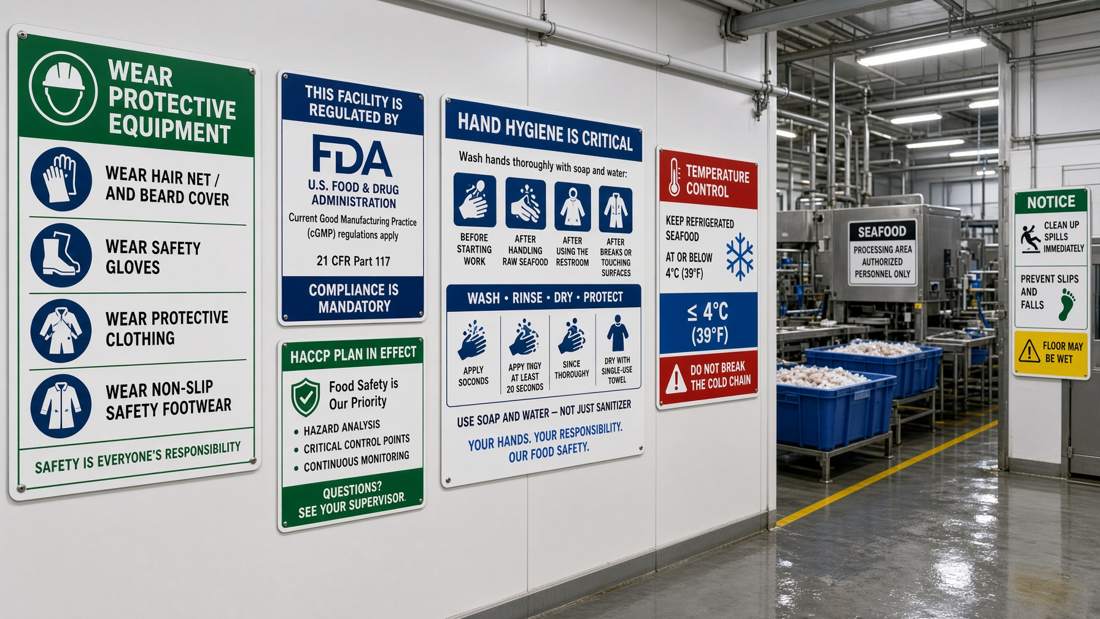
- It is separate from food safety rules such as the FDA seafood HACCP rule, which deals with hazards rather than legality of the catch.
- It is separate from country-of-origin labeling, which is a retail label requirement from USDA. See USDA COOL.
- It complements the EU-style catch certificates discussed in catch certificates and IUU compliance.
Not everything is covered
Many species, and all domestic seafood, fall outside it. Domestic fisheries have their own management and reporting systems, described by NOAA in understanding fisheries management in the United States.
Buying with SIMP in mind
- When buying a covered species, ask where it was caught or farmed and whether the seller's supplier can document it.
- Pair the program with certifications such as MSC or ASC for extra assurance.
- Treat very low prices for premium species with caution.
- Check the species name on the label rather than a generic term.
The takeaway
The SIMP seafood import monitoring program works behind the scenes. You will not notice it at the counter, but it gives regulators a way to find out where imported tuna, shrimp or cod really came from, which supports honest labels and fairer competition.