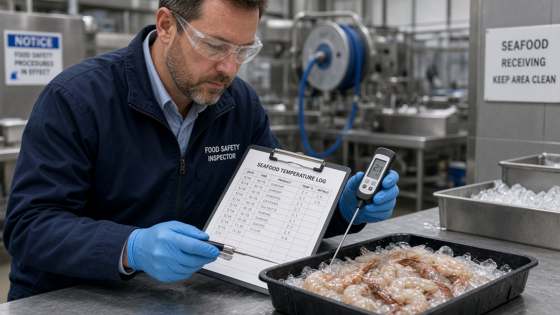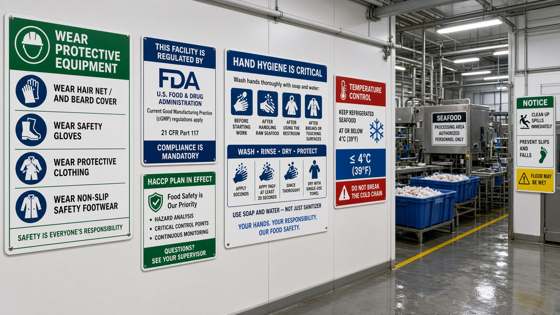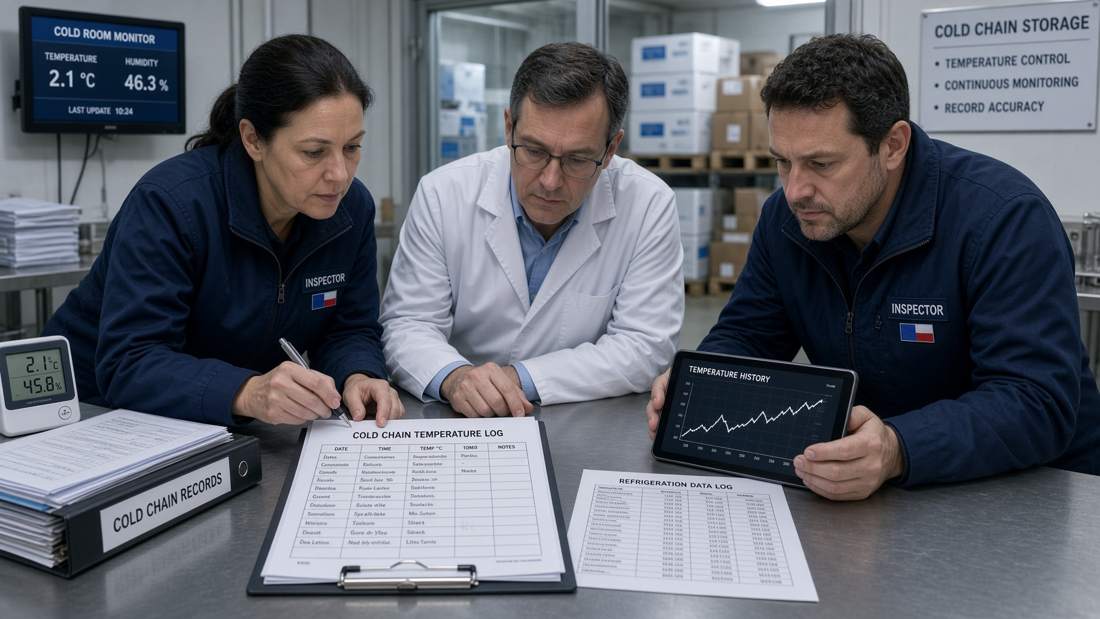
Antibiotic residues in imported seafood is a concern because a large share of the shrimp, tilapia, catfish and salmon sold in the United States is farmed and comes from abroad, and some farming countries have had problems with unapproved drugs. The shopper cannot see or taste a residue, so it helps to know how the system protects you and where it relies on trust.
What FDA allows
FDA permits only a limited number of drugs to be used in farmed seafood sold in the United States, and each approved drug has conditions of use and withdrawal times so that it clears from the animal before harvest. Certain substances, including chloramphenicol, nitrofurans and malachite green, are not allowed in seafood. The agency discusses seafood safety and aquaculture on its pages about fish and fishery product hazards, which includes drug residues among the hazards processors and importers must consider.
How antibiotic residues in imported seafood are checked
Imported seafood faces several layers of checks:
- Importers must have verification procedures to show their foreign suppliers meet US requirements, as part of the seafood HACCP system.
- FDA samples and tests some shipments at the border and in the market.
- Firms or products with repeated violations can be placed on import alert, which can lead to shipments being detained unless the importer shows compliance.
Only a fraction of shipments can be tested, so the system leans on prevention and on penalties after violations are found. Check current rules and alerts on FDA's website, since they change.
The limits of testing for antibiotic residues in imported seafood
Testing for every possible drug in every box is not practical. That is why verification, supplier audits and certification programs matter as a complement. Our look at antibiotic use in aquaculture explains the farm-level side.
What shoppers can do
- Check the label for country of origin, which is required on many fresh and frozen fish and shellfish under country-of-origin labeling rules.
- Look for third-party farm certifications such as ASC or BAP, which set limits on antibiotic use. See ASC and read about BAP certification.
- Be cautious about claims like "antibiotic-free" with no explanation. Ask what the claim is based on, and whether it is verified by an independent party.
- Buy from sellers that can tell you the source farm or at least the supplier.
- Vary where your seafood comes from instead of relying on a single source.
Is cooking a fix?
Cooking does not reliably remove antibiotic residues. The protection is upstream, at the farm and the border.
Keeping the risk in proportion
Agencies monitor residues because they take them seriously, and most seafood on the market does not trigger problems. Those who want extra assurance can favor certified products and transparent sellers. For the broader picture of how imports are tracked, see SIMP explained.
The bottom line on antibiotic residues in imported seafood is straightforward: the rules are strict, enforcement is real but partial, and informed buying adds a useful second layer of protection.