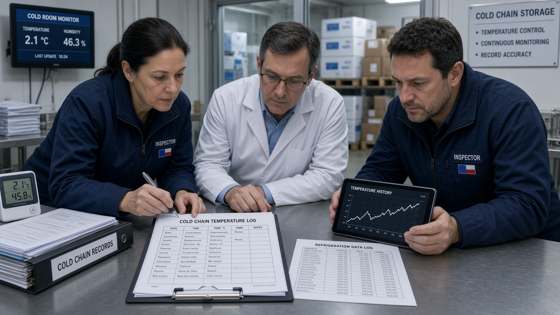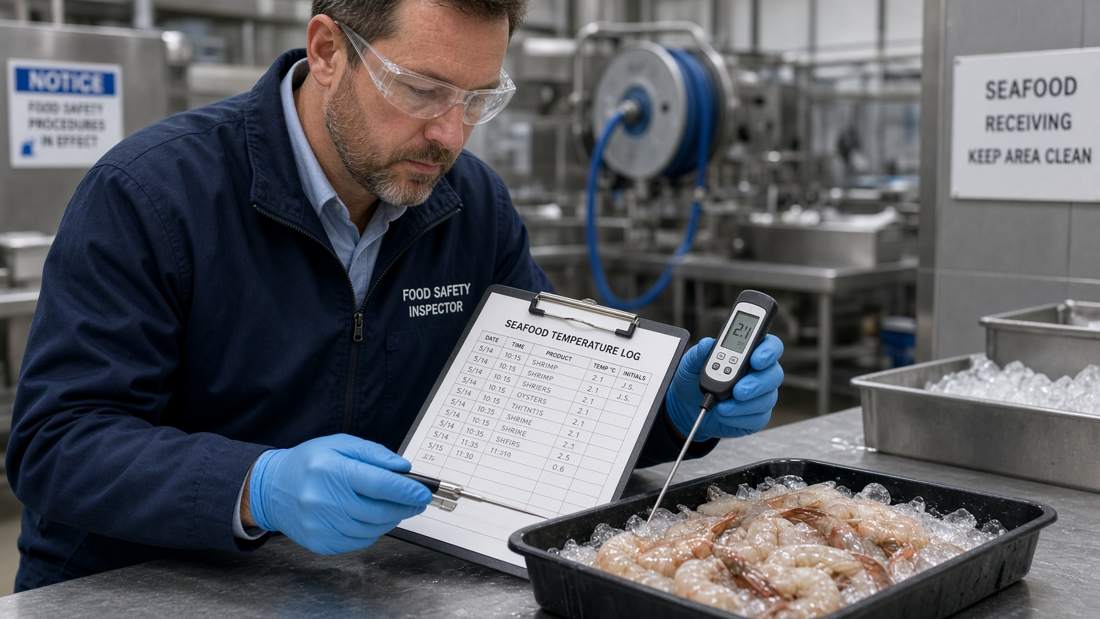
Seafood import documentation is the paperwork that follows imported fish and shellfish from foreign waters or farms to a US port, and it explains why a label can say where your shrimp came from. You will never see these documents yourself, but knowing what they involve helps you ask better questions and judge how traceable a product is.
The main pieces of seafood import documentation
Importers deal with several agencies, and details vary by product, so check current rules with FDA, NOAA and US Customs and Border Protection for any specific shipment. In general terms, an imported seafood shipment involves:
- Customs entry: the declaration that a shipment is arriving, with product description, origin and value.
- FDA prior notice: advance electronic notice that imported food is on its way, which lets FDA screen shipments.
- Importer verification records: proof that foreign suppliers operate under controls comparable to US seafood safety rules. See the FDA seafood HACCP page.
- Traceability data for certain species: reporting under NOAA's import monitoring program, covered in our SIMP explainer.
- Species and origin details: required for correct labeling.
Why seafood import documentation matters to you
Accurate records are what let regulators and companies trace a problem back, hold a shipment at the port, or run a recall. They also support honest labels, which supports efforts against substitution that we discuss in seafood fraud enforcement.
What shows up on the retail label
Some of the information travels to the package. Under US country-of-origin labeling rules, many fish and shellfish must show where they were produced and whether they were wild or farmed. The USDA explains these on its COOL page. Our own explainer is country-of-origin labeling explained.
A shopper's checklist
- Find the country of origin and the wild or farmed designation.
- Look for the species name, not only a generic term like "white fish".
- Check for a recognized certification such as MSC or ASC, which has its own chain-of-custody records.
- Ask the seller whether the supplier can provide traceability on request.
- Be wary of vague claims with no source behind them.
Bringing seafood home from abroad
If you travel, rules for carrying seafood into the country, or shipping it, depend on the item, quantity and origin, and some products are restricted for health or conservation reasons. Check current rules with FDA, CBP and, for protected species, the US Fish and Wildlife Service before you buy. Perishable fish also needs to stay cold the whole way, which our packaging for shipping fresh seafood guide explains.
In summary
Common questions about imported seafood
Does imported seafood get inspected?
Imported seafood is screened rather than examined piece by piece. Advance notice lets FDA decide which shipments to look at more closely, and some are sampled or held. Inspection is a risk-based filter, which is why the importer's own supplier checks matter so much. Official inspection does not replace your own handling at home, so keep fish cold and cook it properly.
Is imported seafood less safe than domestic?
Not automatically. Imported and domestic seafood are expected to meet the same US safety framework, and plenty of imported fish is excellent. The practical difference for you is traceability: a package that names the species, country and production method gives you more to work with than one that does not. If a label says only "seafood" or "white fish", ask the seller or choose another product.
Why do some labels name a country but not a farm or vessel?
Retail labels carry limited detail. The farm, vessel or processing plant is usually recorded in the paperwork rather than printed on the package. Some brands add a lot code or QR code that links to more information. If you want more, ask the retailer whether the supplier can share sourcing details.
Reading import-related clues on packaging
- Country of origin: may name where the fish was caught or raised, and processing country can be different, so read the full wording.
- Wild or farmed: required on many products and a key piece of the story.
- Lot or batch code: lets the seller and any recall notice identify your exact package. Keep the package or take a photo of the code until the product is eaten.
- "Previously frozen" or "thawed": tells you how it was handled, and affects how long it keeps.
- Certification logo: check it against the certifier's own site, such as MSC, rather than trusting the logo alone.
Mistakes shoppers make with imported fish
- Assuming a fancy name means a particular species. Market names can cover several fish.
- Ignoring "thawed" or "previously frozen" notes and refreezing at home without checking the guidance.
- Throwing away the package before a recall notice could be checked against it.
- Believing the lowest price is a bargain without asking where the fish came from.
If a recall affects your seafood
Recalls are announced by FDA and by the company. Check the product name, size, lot code and dates against the notice, and follow its instructions, which usually mean discarding the product or returning it for a refund. Do not eat a recalled item to see if it is fine. The FDA's seafood pages, linked above, are the place to check current notices.
Seafood import documentation is mostly invisible, but its effects reach the label, the safety checks and the ability to find a problem. Use the label and your seller's knowledge as your window into it.