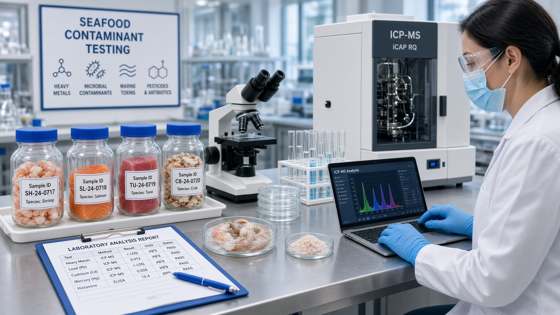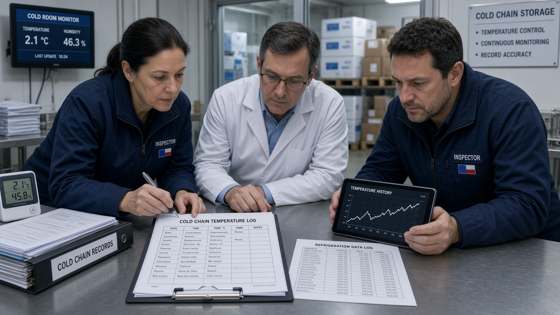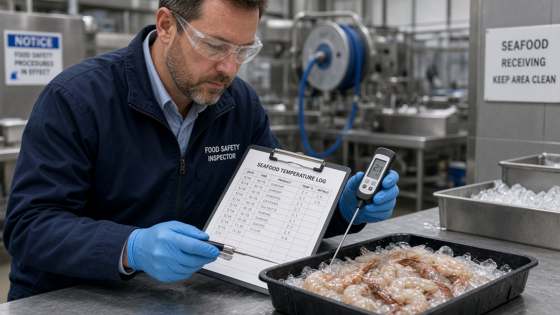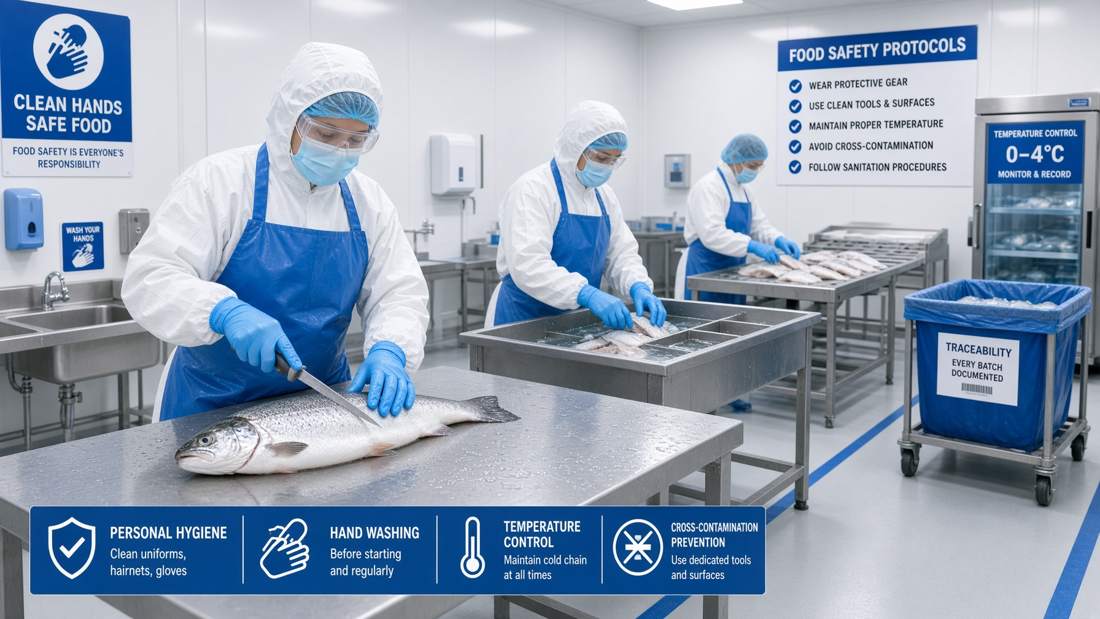
Food safety inspections are the reason you can walk up to a seafood counter and expect the fish to have been kept cold, handled with clean tools and sourced from an approved supplier. Knowing who inspects what, and where to find the results, turns those inspections into a free shopping tool.
Who handles food safety inspections of seafood
Inspection responsibility is split by where the seafood is in its journey.
- Stores, markets, restaurants and trucks: usually inspected by state or local health departments, most of which base their rules on the FDA's Food Code. States adopt it with their own changes, so check current rules where you live.
- Processors and importers: the FDA oversees these under its Seafood HACCP requirements, which ask a processor to identify hazards and control them with records and checks.
- Catfish: unlike most seafood, catfish processing falls under the US Department of Agriculture.
- Shellfish growing waters: state agencies classify harvest areas, following the National Shellfish Sanitation Program. The shellfish harvest area classifications article covers this.
What food safety inspections check
A retail seafood inspection typically focuses on a few high-risk items: temperature of the display case and the fish in it, separation of raw and ready-to-eat foods, employee handwashing, sanitizer and cleaning, and whether the seafood comes from an approved source. Under the Food Code, cold foods are generally held at 41 F or below. Inspectors also look for shellfish tags and for clear labeling.
How to find and read a report
Many health departments publish inspection results online, and some post a grade or placard at the entrance. Search for your county or city health department plus the words "food inspection". Systems differ, so a grade of A in one county does not mean the same as an A somewhere else.
- Look at the date. A report from three years ago tells you little.
- Separate critical violations (things that can directly cause illness, such as improper temperatures) from minor ones like a cracked floor tile.
- Look for repeats. The same temperature violation on several visits is a pattern worth noticing.
- Check whether problems were corrected during the visit.
What a single bad report does and does not tell you
One violation is not a verdict. Busy counters get cited for small things all the time. A series of serious findings around cold holding or cross-contamination, however, is a good reason to shop elsewhere. Our article on temperature abuse explains why cold holding matters so much for fish.
What you can do on your side
Your own senses are a second inspection. Fresh fish smells clean and briny, not sharply fishy or sour, and it should sit on plenty of ice. If something seems wrong, tell the manager and, for a serious concern, contact your local health department. If you think you became ill from seafood, the FDA explains how to report a problem.
Treat the posted permit, the latest report from food safety inspections and your own nose as three separate checks. A seller who passes all three has earned your business for the week.