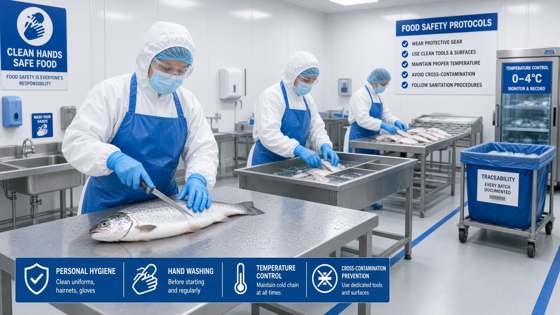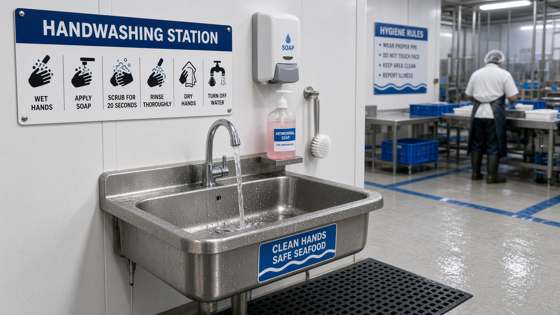
The FDA seafood HACCP rule is the main federal safety requirement for fish and shellfish sold in the United States, and it works mostly before the product ever reaches your store. HACCP stands for Hazard Analysis and Critical Control Points. In plain terms, it forces companies that process or import seafood to think through what could make a product unsafe, then put specific controls in place and keep records proving the controls worked.
What the FDA seafood HACCP rule actually requires
The rule is published as 21 CFR Part 123, and you can read the text at the Electronic Code of Federal Regulations. Processors, which includes plants that clean, fillet, freeze, smoke, pack or shuck seafood, must analyze the hazards for each product and write a plan if any hazard is reasonably likely to occur. Importers have their own duty: they must be able to show that the foreign suppliers they buy from are operating under comparable controls.
FDA publishes detailed guidance on the hazards it expects processors to consider. Its Fish and Fishery Products Hazards and Controls Guidance covers things like pathogens, parasites, natural toxins, histamine formation in certain fish, and chemical contaminants.
Hazards a plan may need to control
- Bacteria such as Vibrio and Listeria, depending on the product
- Parasites, which is why some fish intended to be eaten raw must be frozen first
- Histamine, which can build up in certain species if they are held too warm
- Natural toxins and chemical contaminants
- Time and temperature abuse during storage and transport
Where the FDA seafood HACCP rule stops
This is where shoppers often get a wrong impression. HACCP is aimed at processors and importers, not at the retail fish counter or restaurant kitchen. Grocery stores and restaurants are generally overseen by state and local health departments under their own food codes. That means the fish in your cart may have passed through a HACCP-controlled plant, while the way your store holds, displays and thaws it is checked by a different set of inspectors.
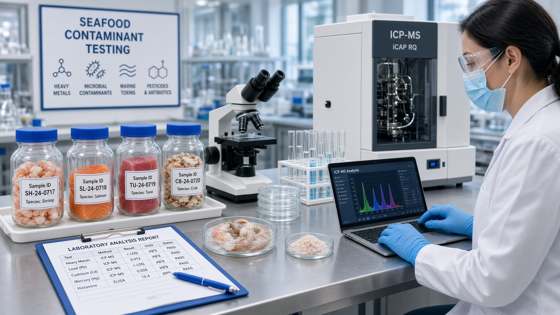
It also does not mean every fillet is tested. HACCP is a prevention system built on controls and records, with FDA inspecting firms and reviewing those records. Think of it as an audit of the process, not a lab test of each package.
What this means when you shop
You will never see a HACCP stamp on a package, so the rule shows up indirectly. A few habits turn it into practical protection:
- Buy from sellers who can tell you where the product came from and how it was handled. A knowledgeable counter staff usually has that information.
- Check that fish is cold, held on ice or in a refrigerated case, and smells clean rather than sharply fishy or sour.
- Follow the cooking and storage guidance on the label, since the plan cannot control what happens in your kitchen.
- Pay attention to any "keep frozen" or "cook thoroughly" instruction, which often reflects a hazard the processor identified.
Questions to ask given the FDA seafood HACCP rule
Ask whether the fish was previously frozen and how long it has been in the case. For anything you plan to eat raw, ask directly whether it was handled and frozen for raw consumption, and read the FDA advice about eating fish if you are cooking for pregnant women or young children. For a fuller picture of how storage temperature affects safety at home, see our guide to ideal storage temperatures for fresh fish.
Where inspections fit in
FDA investigators visit processing plants and importers to check that plans exist, are followed and are backed by records. If a firm falls short, FDA can take enforcement steps, and problems with imports can lead to products being held at the border. Details of how these visits go are covered in food safety inspections: what to expect, and the import side of the story appears in our explainer on the Seafood Import Monitoring Program.
FDA maintains an overview of the rule on its seafood HACCP page. Because agency pages and guidance are revised from time to time, check current rules there rather than relying on any summary, including this one.
The practical takeaway
The FDA seafood HACCP rule gives shoppers a layer of protection they cannot see, but it stops at the store door. Treat it as a good foundation, then do your part: pick cold, fresh-smelling product, get it home promptly, keep it refrigerated or frozen, and cook it to the temperature recommended for the species. That combination of a controlled supply chain and careful handling at home is what keeps seafood safe to enjoy.