Seafood recordkeeping requirements are the paper trail that lets a seller, and sometimes an investigator, work out where a fillet or a bag of oysters came from. Most shoppers never see these records, but they quietly shape how fast a problem gets traced and how confident you can be in a label.
Why seafood recordkeeping requirements exist
Seafood travels through many hands: a boat or farm, a dealer, a processor, a distributor and finally a store. If a product makes people sick, or turns out to be mislabeled, records are how each step is identified. Without them, a recall becomes a guessing game and good product gets pulled along with the bad. The recalls and traceback procedures article shows how that process works.
Seafood recordkeeping requirements you can see: the shellfish tag you can see
The clearest example for shoppers is the tag on live oysters, clams and mussels. Shellfish dealers attach a tag identifying the harvest location, harvest date and the certification of the dealer that handled them. Under national shellfish sanitation guidelines, the retailer keeps the tag on file for 90 days after the last shellfish from that container is sold. If you buy shellfish in a shop, you can ask to see the tag. It is a normal request.
Records at processors and importers
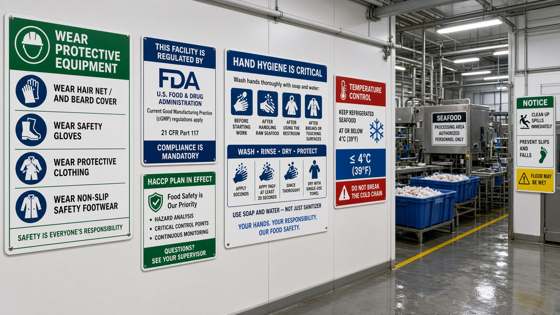
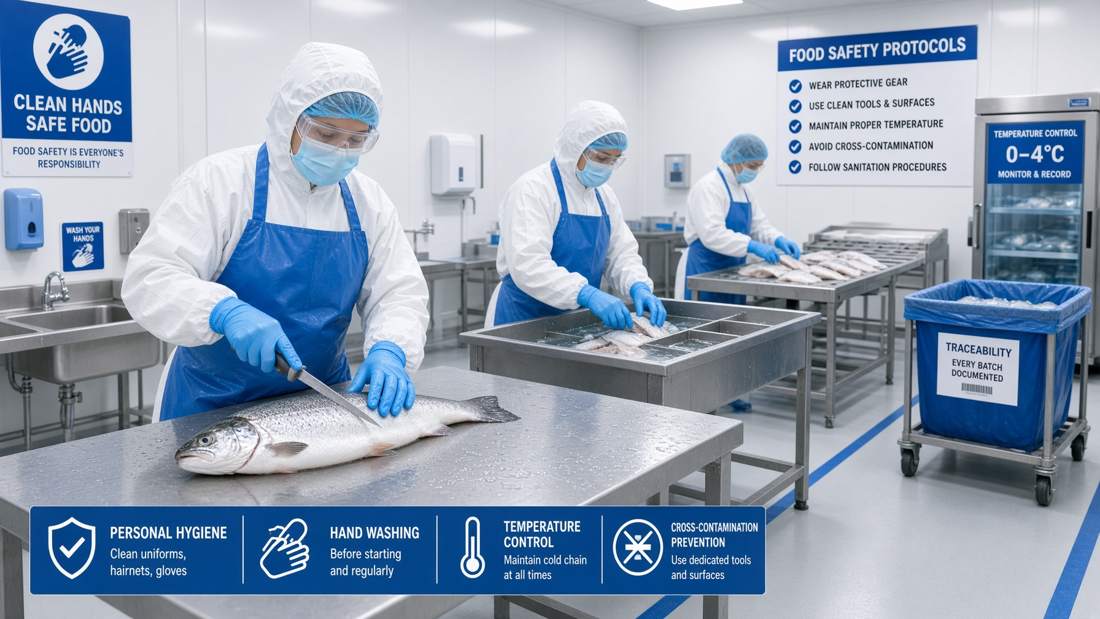
Companies that process seafood under the FDA's Seafood HACCP system must keep records showing they monitored the hazards they identified, such as temperature control and time out of refrigeration. Importers have their own responsibilities, and imports of certain species also fall under NOAA's Seafood Import Monitoring Program. Read our SIMP explainer for detail on that.
The newer traceability rule
Under the Food Safety Modernization Act, the FDA issued a food traceability rule that requires more detailed records for foods on its Food Traceability List, which covers several seafood categories. The compliance date has been changed since the rule was first issued, and details can shift, so check the FDA's page on the traceability record requirements for current rules. The practical goal is that a seller can identify a product's source and path within a short time.
What you can ask for as a shopper
- The species and the catch or farm origin of what you are buying.
- Whether the seafood was previously frozen.
- For shellfish, the harvest area and date on the tag.
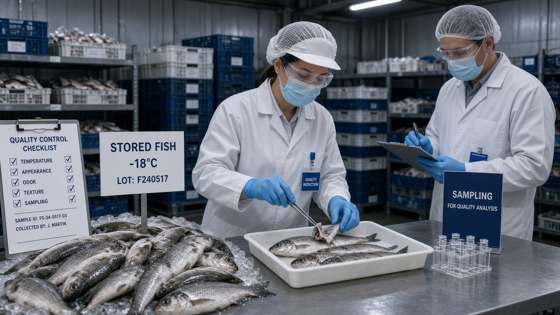
- For packaged goods, the lot code, which you should keep until the product is eaten.
Keeping your own simple record
Home cooks do not need a ledger, but a few habits help. Keep the receipt, snap a photo of the lot code on packaged seafood, and note the purchase date on a sticky note if you freeze fish. If a recall appears, you can check your freezer in seconds. The FDA lists current notices on its recalls and safety alerts page.
Behind every clear label, seafood recordkeeping requirements produce a boring file somewhere. Asking a seller for those details is how you find out whether the file really exists.