Quota systems and individual transferable quotas are ways of dividing a fishery's total allowable catch among participants, and they change how seafood reaches the shopper. Instead of every boat racing to catch as much as possible before the season closes, each fisher or company has a share, which affects timing, freshness and sometimes price.
Quota systems and individual transferable quotas in plain terms
Managers first set an overall catch limit for a species based on stock science. Under a quota system, that total is split into shares. In an individual transferable quota system, often shortened to ITQ, the share can be bought, sold or leased. Programs that give shares to groups or communities are sometimes called sector or cooperative systems. Collectively these approaches are often called catch shares. NOAA describes how catch limits and management work in its overview of US fisheries management, and the details differ by fishery, so check current rules for any specific one.
What came before quota systems and individual transferable quotas
In some fisheries without individual shares, the season was a race. Boats rushed to catch the limit, sometimes in a very short opening, and landed huge amounts at once. That could mean a glut of fish, lower quality when handling was rushed, and a long period with little fresh product.
What shoppers may notice
- Longer availability: when fishers are not racing, fresh fish may be landed over a longer period.
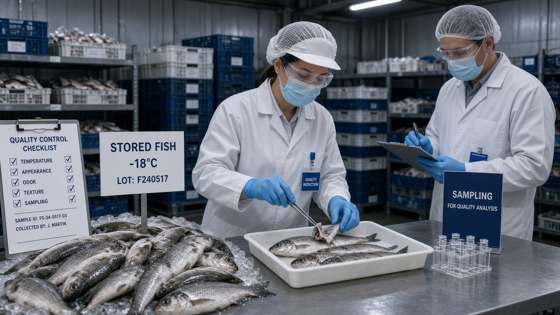
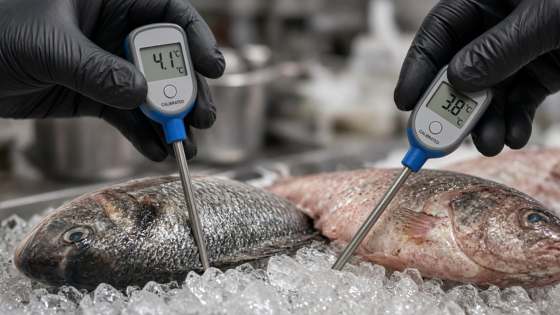
- Better handling: with less pressure, crews can take care with icing and storage, which supports quality. See icing at sea.
- Price effects: prices depend on many things, including the cost of quota. It can make seafood cost more or less, depending on the fishery.
Debates about quotas
Supporters say catch shares reduce overfishing pressure and improve safety, since boats do not need to fish in dangerous weather to beat a deadline. Critics raise concerns that shares can concentrate in fewer hands and make it harder for small operators and new entrants. NOAA and councils weigh those issues when designing programs. Our article on small-scale fishers and sustainability looks at related concerns.
Do quotas guarantee sustainability?
No. A quota is only as good as the catch limit behind it and the monitoring that enforces it. Certification or ratings can help you judge a specific fishery, as in sustainability ratings explained.
How to use this
NOAA also runs FishWatch, which describes how many US fisheries are managed.
- Ask your seller whether the fish comes from a catch-share fishery and how it was handled.
- Look for a landing date or "caught on" information on premium fresh fish.
- Be flexible about species when prices rise.
- Learn the basics from fisheries management 101.
The short version
Quota systems and individual transferable quotas are a management tool that turns a race for fish into a planned harvest. For the shopper, the practical effects are usually steadier supply and sometimes better handling, balanced by real debate about who benefits.