Seafood licenses and permits sound like paperwork for owners, but they decide whether the shrimp, fillets or live crabs you buy passed through a seller that someone has actually checked. A permit does not guarantee a perfect product, yet it means a health or fisheries agency knows the business exists and can inspect it.
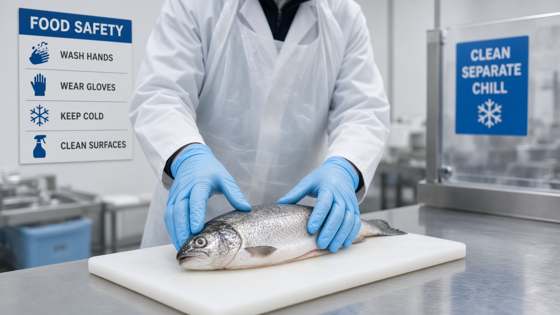
Seafood licenses and permits behind the counter behind a seafood counter
Several different approvals can apply to one seller, and which ones depend on the state, the county and what the business does. Rules differ, so check current rules with your state or local health department.
- Retail food permit: issued locally, usually by a health department, to stores, markets and trucks that sell food to the public. Inspectors use it to enforce handling and temperature rules.
- Dealer or wholesale license: many states require businesses that buy seafood from fishing boats or resell it in bulk to be licensed as dealers.
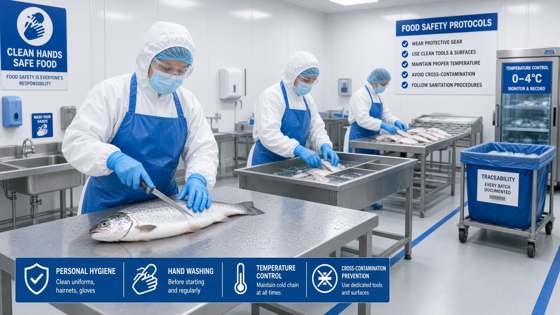
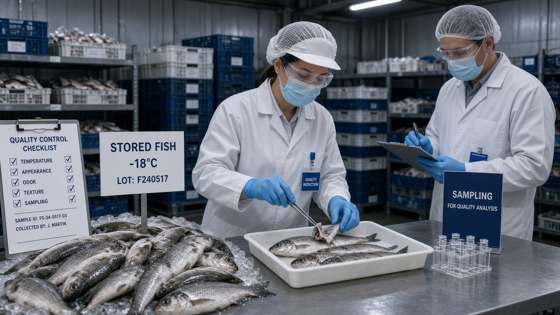
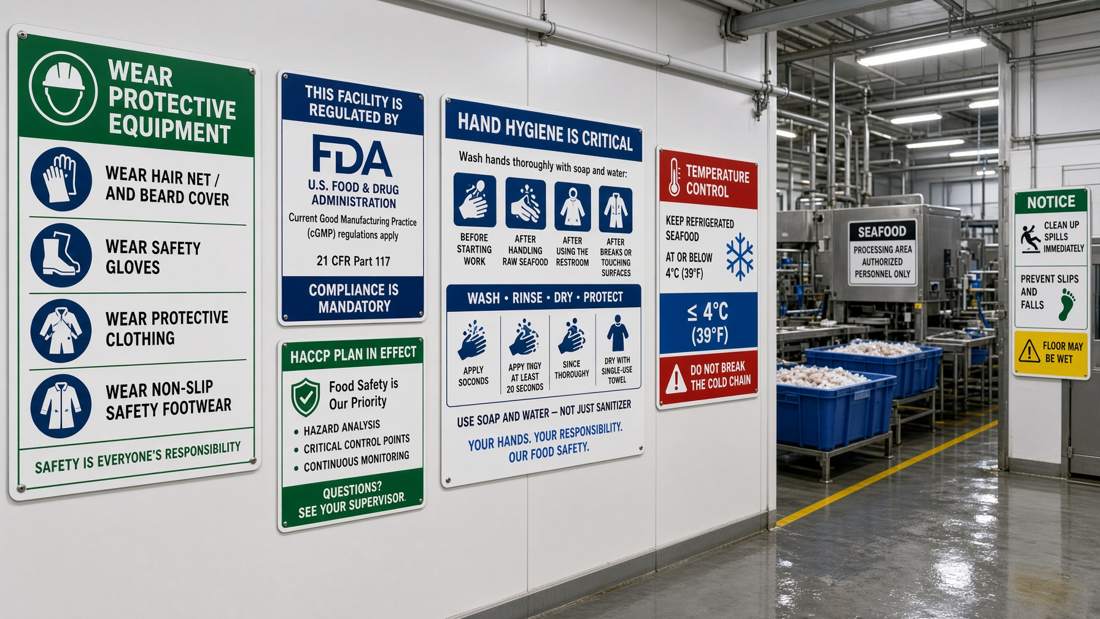
- Processing registration: a business that cuts, packs, smokes or freezes seafood for sale falls under federal food rules, including the FDA's Seafood HACCP safety system.
- Fishing permits: the boats that land the catch hold their own state or federal permits. NOAA explains how fisheries management in the United States works.
Why seafood licenses and permits matter to you
The permit is what puts a seller on an inspector's schedule. Most health departments post the permit on the wall and publish inspection results. A seller who cannot show either one is asking you to trust them on faith, and seafood is one of the less forgiving foods to buy on faith.
Red flags when buying from informal sellers
Fresh fish sold from a cooler in a parking lot, a truck with no visible permit, or a social media seller offering "off the boat" fish at a surprising discount may all be legitimate. They may also be selling fish that was never kept cold or was caught without the right license. Selling a catch usually requires a commercial license, and selling recreational catch is generally not allowed, though states differ.
- Look for a posted permit or ask to see it. A real seller will not mind.
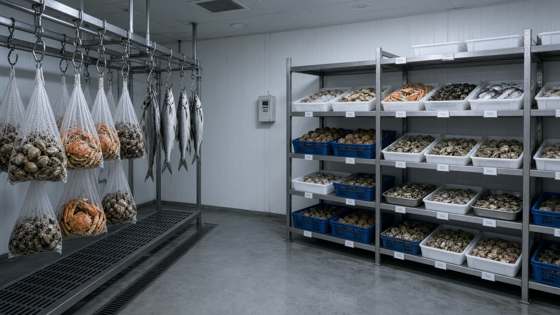
- Check that the fish is held on ice or in a refrigerated case, not sitting in the sun.
- For oysters, clams and mussels, ask to see the shellfish tag, which carries the harvester's certification number and harvest details.
- Be wary of prices far below the going rate for the same species.
Questions worth asking at the counter
You do not need to be confrontational. "Where was this caught?" and "Has it been previously frozen?" are ordinary questions. A trained counter worker answers them without hesitation. Our guide to how food safety inspections work explains what happens when inspectors visit, and the retail display rules article shows what a compliant case looks like.
If you sell your own catch or run a small stand
Home cooks sometimes ask about selling extra fish from a hobby catch. In most places that requires commercial licensing, a permitted food source and an approved facility. Start with your state fish and wildlife agency and your local health department, and check current rules before you sell anything.
Next time you buy seafood, make seafood licenses and permits part of your checklist: a posted permit, cold storage and honest answers. Together those tell you more about a seller than any sign out front, and the shopper who asks is the one a good business wants to keep.