Recreational vs commercial catch rules are different on purpose: one set governs people who fish for fun and personal use, the other governs those who fish to sell. For consumers, the difference matters when a neighbor offers you a cooler of fish, when you spot a roadside sale, or when you wonder whether the seafood in the store was caught legally.
The key differences in recreational vs commercial catch rules
- Licenses: recreational anglers generally need a fishing license or registration, depending on the state and the water, while commercial fishers need commercial licenses and often permits specific to species or gear.
- Limits: recreational anglers have bag limits and size limits per person per day. Commercial fisheries are managed through catch limits for the whole fishery, as in quota systems.
- Sales: in most places, fish caught under a recreational license may not be sold. Selling requires commercial authorization.
- Gear: some gear is allowed only for one group.
Rules differ by state and species, so check current rules with your state fish and wildlife or marine fisheries agency. NOAA's recreational fishing page is a good federal starting point.
Why this affects what you buy
Commercially caught seafood is supposed to move through a licensed chain, including dealers who keep records, and processors who follow the safety rules explained in the FDA seafood HACCP overview. Fish sold outside that chain may skip safety steps like proper cooling and handling records, and it may also be illegal to sell.
Recreational vs commercial catch rules when buying from a boat
Buying directly from a licensed commercial fisher or a licensed dealer can be a great way to get fresh fish. Ask to see the license or the dealer information, and check that the fish has been kept cold. For live shellfish, ask for the harvest tag, as described in shellfish harvest area classifications. Be cautious about anyone selling fish with no license, no ice or no way to say where it was caught.
If you catch your own
- Check the regulations for the species, season, size and bag limit before you fish.
- Check local fish consumption advisories for the water you fish. These cover contaminants such as mercury and PCBs; see PCB and dioxin limits in fish.
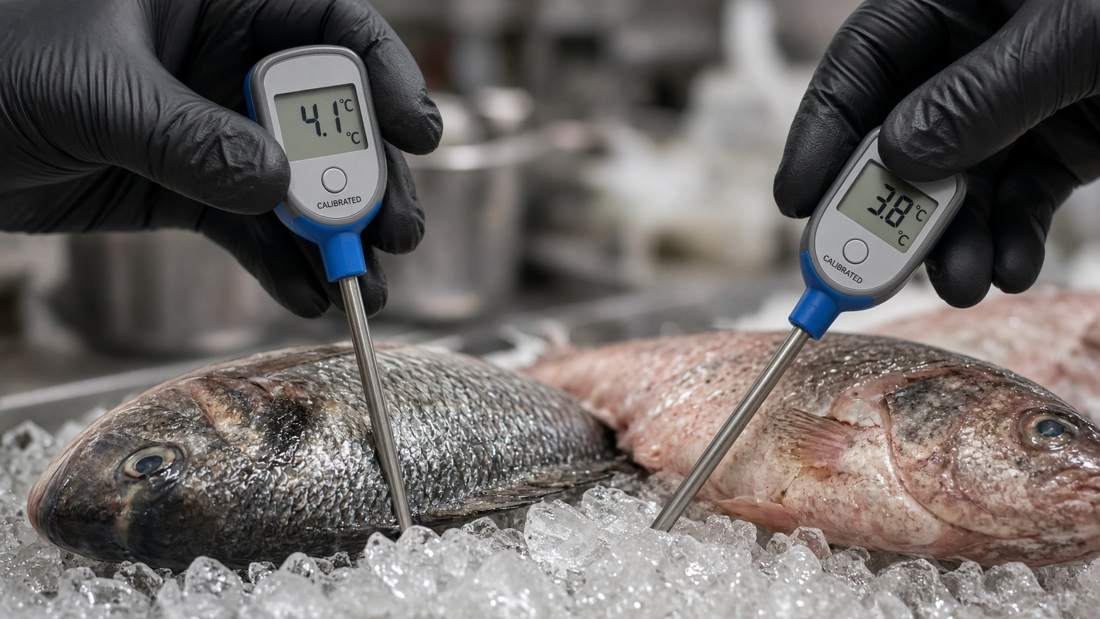
- Chill the catch quickly and keep it cold until you cook it or freeze it.
- Do not give or trade large quantities of fish in ways that could count as sales.
Charter and guided trips
Fish caught on a charter trip are generally recreational catch. The rules about sale still apply, so you cannot take the day's fish to a restaurant. Ask the captain about local regulations.
What to remember
The distinction in recreational vs commercial catch rules protects fish stocks and consumers, and it keeps the market fair for licensed fishers. When you buy fish, prefer a licensed seller, and when you catch fish, follow the limits and advisories for your area, checking the agency page for the current rules.