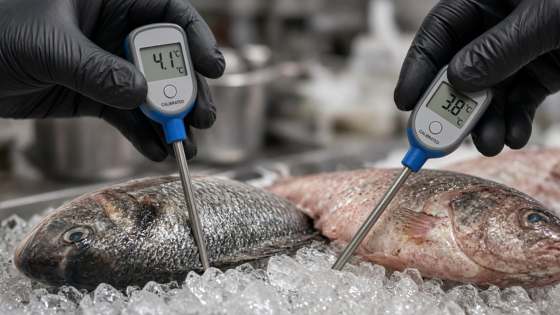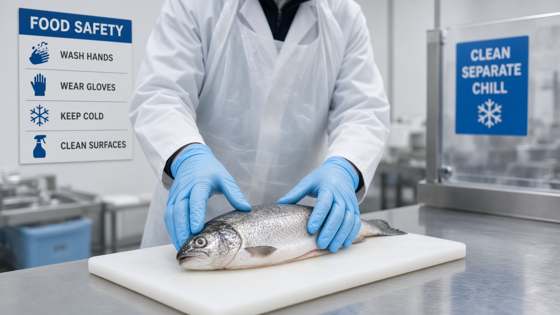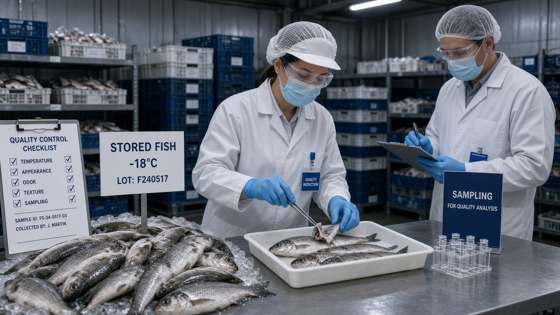
PCB and dioxin limits in fish matter because these industrial pollutants are persistent: they break down very slowly, collect in fatty tissue, and can be found in some fish even decades after many uses were banned. For shoppers, the practical point is that store-bought fish is monitored, while fish caught locally may be covered by advisories you need to check yourself.
What PCBs and dioxins are
PCBs, or polychlorinated biphenyls, were used in electrical equipment and other industrial products until they were banned in the United States. Dioxins are by-products of combustion and some industrial processes. Both build up in sediments and in the fat of fish. EPA explains how contaminants end up in fish on its fish and shellfish page.
What the PCB and dioxin limits in fish are
FDA has set a tolerance of 2 parts per million for PCBs in the edible portion of fish and shellfish moving in interstate commerce. That is a regulatory limit for the food supply, and FDA can act against products that exceed it. FDA does not have a single numeric limit for dioxins in fish in the same way, and agencies use risk-based advice instead. Limits can change, so check current rules through FDA's environmental contaminants page.
What PCB and dioxin limits in fish do and do not tell you
A limit applies to commercial fish. It does not tell you how safe your own catch is, and it is not a guarantee of zero. Think of it as a ceiling that removes the worst cases from the market.
Which fish are higher risk
Fattier fish from polluted waters, bottom feeders and older, larger fish tend to carry more. Freshwater fish from contaminated lakes and rivers and some coastal species near industrial sites are the usual concern. Farmed fish can also reflect their feed, which is one reason feed quality matters and why our article on feed formulation for farmed fish is worth reading.
Ways to reduce exposure
Because these contaminants collect in fat, preparation can help.
- Remove the skin and trim visible fat along the belly, back and sides before cooking.
- Broil, grill or bake on a rack so fat drips away, instead of frying or poaching in the fat.
- Do not use the cooking juices or fat as a sauce.
- Vary the fish you eat rather than relying on one species.
- Follow state advisories for locally caught fish. They name the waters and species and say how often to eat them.
Note that cooking does not destroy these chemicals. Trimming only reduces the fat they sit in.
Where to find local advisories
State health or environmental agencies publish them, and EPA links to state resources. If you fish for sport, see our piece on recreational versus commercial catch rules. For mercury, which is a different contaminant with its own chart, see mercury in seafood consumer guidance.
Weighing benefits and risks
The agencies still encourage most people to eat fish. Understanding PCB and dioxin limits in fish, and following advisories for local waters, lets you keep the benefits while lowering avoidable exposure. If you are pregnant, nursing or feeding young children, follow the official advice closely and ask your clinician if you have questions.