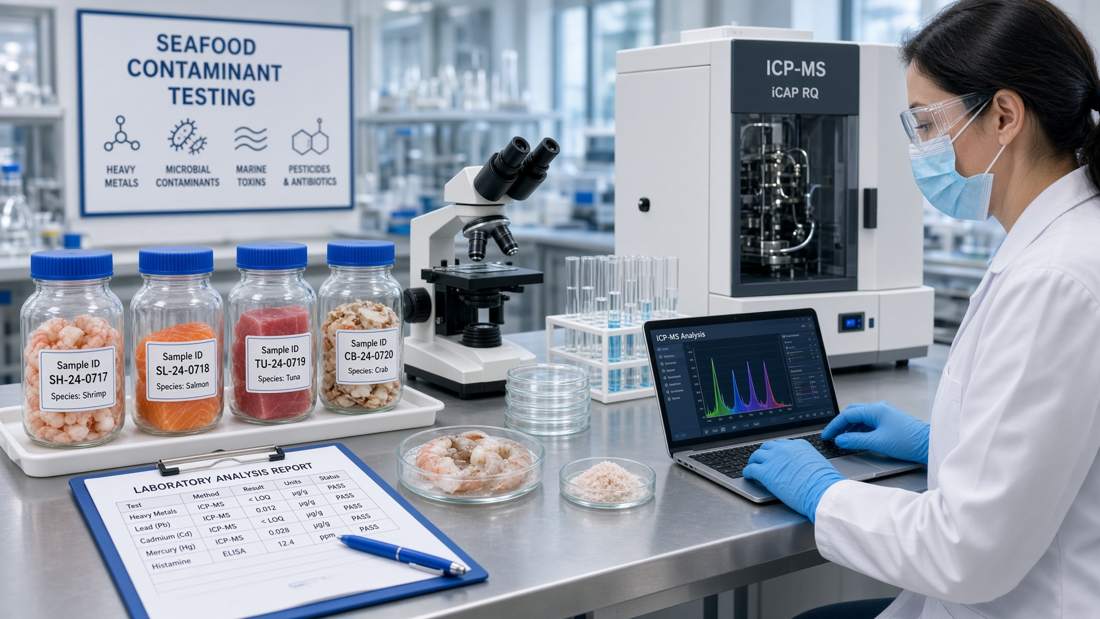
Seafood crisis management is what a business does when something goes wrong: a failed test, a recall, a suspected outbreak or a refrigeration breakdown. You will rarely see the planning, but you will see the result in how quickly a store pulls product and how honestly it tells you what happened.
What seafood crisis management looks like in practice
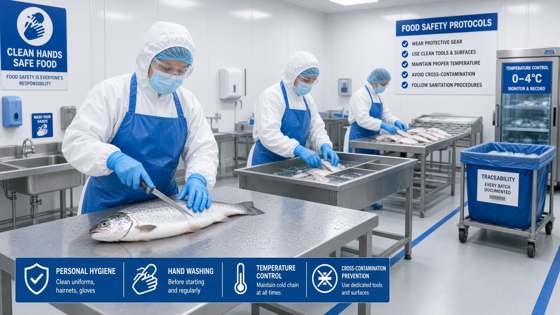
A well-run seller keeps a plan before anything goes wrong. In broad terms it covers who decides to stop selling a product, how affected lots are identified, how stores and customers are notified, and how the cause is found and fixed. Processors operating under the FDA's Seafood HACCP system already have to define corrective actions for the hazards they monitor, which is one reason documented plans are a normal part of seafood work.
Signs of good seafood crisis management
- The product is removed from the case quickly, not left on sale while the issue is "reviewed".
- The notice names the product, size, brand and lot or date codes so you can check your own purchase.
- The seller offers a refund or exchange without argument.
- Staff can say plainly what is known and what is not yet known.
- Follow-up information appears when the cause is found.
Signs of a poor one
Vague language, a notice that does not say which lots are affected, staff who refuse to discuss it or a product that quietly returns days later under a new label all suggest weaker controls. Where possible, compare what the store says against the agency notice listed on the FDA's recalls and safety alerts page.
What you do during a seafood food safety scare
- Stop eating the product in question and keep the packaging, receipt and lot code.
- Check the official notice, not just social media. Posts spread quickly and are often wrong about which products are involved.
- Do not feed it to pets or give it away.
- If you feel ill, contact a healthcare provider and tell them what you ate and when. Pregnant people, older adults, young children and people with weakened immune systems should not wait.
- Tell the seller and consider reporting the illness to your local health department or via the FDA's problem reporting page.
Why reporting helps everyone
Outbreaks are often identified because several people independently report similar illness and investigators find a common food. One report may look insignificant but can be the clue that completes the picture. Read how that works in recalls and traceback procedures.
Breakdowns that are not recalls
Not every crisis makes the news. A cooler that fails overnight or a delivery that arrives late rarely triggers a public notice, which is why your own checks at the counter matter: feel for cold, look at the ice and trust the staff who tell you a product is not available today.
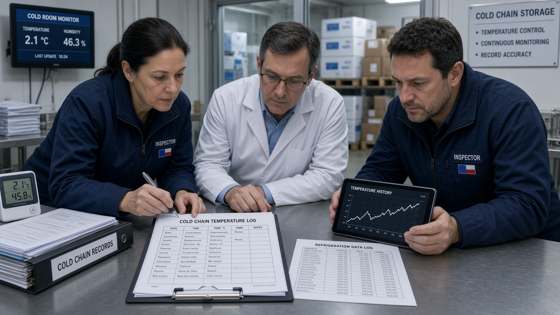
Some crises are logistical: a power cut that warms a freezer, a truck that breaks down with fresh fish aboard, or a storm that interrupts supply. Reputable stores discard product held out of temperature rather than hoping for the best. The guidance in temperature abuse in seafood explains why that is the right call.
A store's best recommendation is not its slogan but the way it behaved the last time something went wrong. Ask staff how they handle a recall, and judge the seafood crisis management by how readily they answer.