Temperature abuse in seafood happens when fish or shellfish spends too long warmer than it should, whether on a loading dock, in a delivery van or on your kitchen counter. It is one of the most common ways good seafood turns into a safety risk, and it often leaves no obvious clue until it is too late.
Why temperature abuse in seafood is a real risk to warmth
Fish is a delicate, moist food, and bacteria multiply quickly when it warms up. There is also a specific problem with certain species. Tuna, mahi-mahi, mackerel, bluefish, sardines, anchovies and some others carry a compound that bacteria convert into histamine when the fish is held warm. This causes scombrotoxin poisoning, also called histamine fish poisoning. The FDA's Fish and Fishery Products Hazards and Controls Guidance treats it as a major hazard for these species.
Temperature abuse in seafood: the detail shoppers miss
Histamine is not destroyed by cooking, freezing or smoking. Once fish has been abused, you cannot fix it in the kitchen. Typical symptoms include flushing, headache, a tingling or peppery feeling in the mouth, and a rash, usually soon after eating. If symptoms are severe, seek medical care and tell the seller so others are protected.
What sellers record
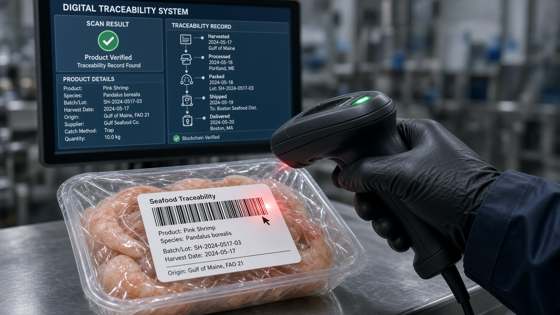
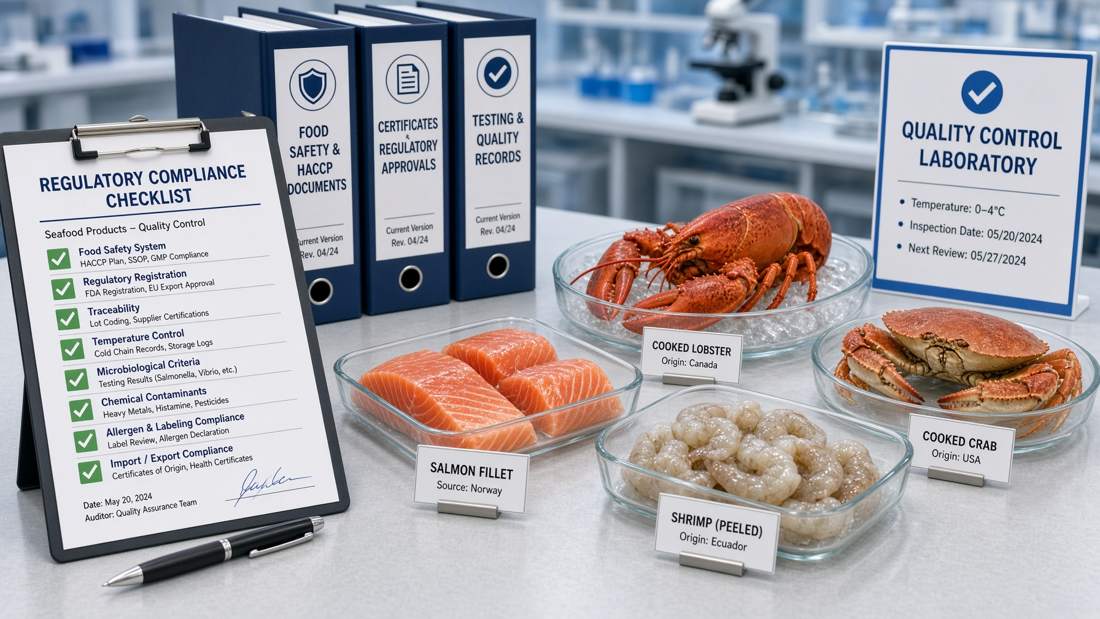
Under the FDA's Seafood HACCP rules, processors and some other businesses must monitor and record temperature and time controls for the hazards they identify. Records may include receiving temperatures, cooler logs and time out of refrigeration. These are internal documents, but they explain why a well-run business can tell you when its fish arrived. See our recordkeeping article for more.
Checking the cold chain as a shopper
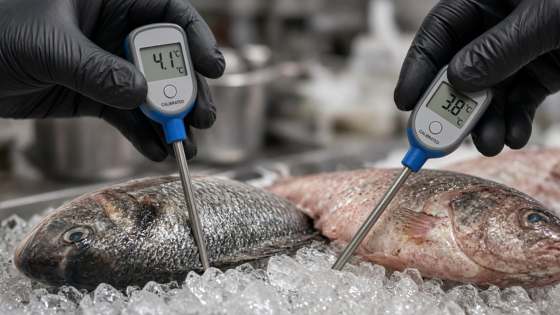
- Fresh fish should sit on a deep bed of ice or in a refrigerated case, with the fish nestled in or on top of the ice rather than perched above melted slush.
- Frozen seafood should be rock hard with no frost buildup, ice crystals inside the bag or soft spots, which can signal thawing and refreezing.
- Put seafood in your cart last and take it straight home. Use a cooler bag on warm days.
- FDA and USDA guidance says perishable food should not sit out more than two hours, or one hour when the air temperature is above 90 F.
At home
Fresh handling tips are in why immediate handling matters.
Keep your refrigerator at 40 F or below and your freezer at 0 F. Cook or freeze fresh fish within one to two days. The agency page on safe food handling has the basic rules. Thaw frozen fish in the refrigerator, in cold water in a sealed bag, or in the microwave if you will cook it immediately.
Signs of abuse and when to throw it out
A strong sour or ammonia smell, slimy or sticky flesh, dull or sunken eyes on a whole fish, flesh that does not spring back when pressed, and a milky liquid in the package are all warning signs. Histamine formation may not produce any of these, so rely on source and storage history as well as your senses. When in doubt, throw it out.
Temperature abuse in seafood is avoidable. Handled cold from boat to plate, fish is forgiving. Handled warm even once, it is not, and no recipe can undo that.