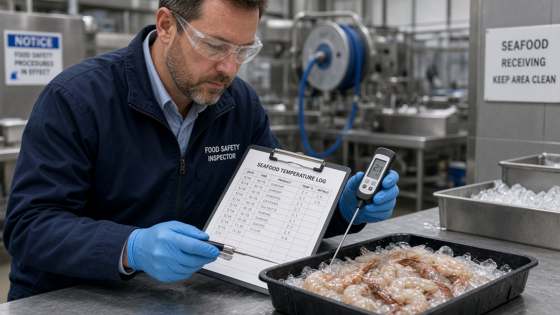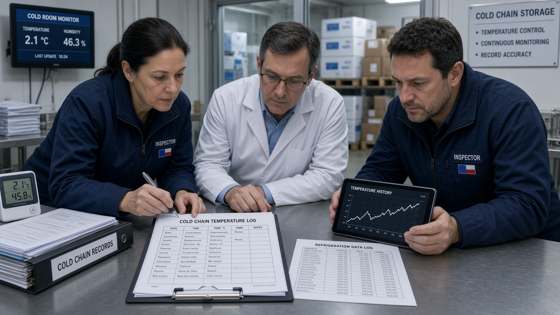
Supply chain audits in seafood are structured reviews in which an inspector checks whether a boat, farm, plant or distributor follows set standards. They matter to shoppers because many labels, from sustainability marks to safety certificates, rest on audits that you never see.
What supply chain audits in seafood actually are
An audit compares what a company says it does against a written standard. The auditor reads records, tours facilities, interviews staff and notes where practice falls short. The result is usually a certificate, a score or a list of corrective actions. Audits differ from government inspections, which are done under legal authority: see food safety inspections.
Types of supply chain audits in seafood
- Food safety audits: check hygiene, temperature control and recordkeeping, often against recognized third-party schemes that buyers require.
- Sustainability and chain-of-custody audits: programs such as the Marine Stewardship Council and the Aquaculture Stewardship Council use independent certification bodies, and chain-of-custody audits check that certified product is not mixed with uncertified product.
- Social responsibility audits: examine labor conditions on vessels, farms and in plants.
- Customer audits: a retailer or restaurant group checks its own suppliers against its own requirements.
What audits mean on the label
A certification logo means that a certified supplier was audited against that program's standard at some point. It does not mean that every package was inspected. Programs publish their standards, and many list certified companies, so you can check claims for yourself. Read MSC and ASC compared and third-party inspections compared for comparisons.
Limits worth knowing
- Audits are snapshots. Conditions can change between visits, and some audits are announced in advance.
- Scope matters. A certificate may cover one plant or one fishery, not a whole company.
- Audit quality varies by scheme and by auditor.
- Audits are not a substitute for government oversight. Imported seafood still has to meet FDA requirements, and some species fall under NOAA's Seafood Import Monitoring Program.
What a good audit result looks like
A clean audit does not mean zero findings. Auditors usually record minor and major nonconformities, and the supplier must fix them within a set time. A supplier that has findings and shows steady corrective action is often more trustworthy than one that claims perfection. Be cautious when a company advertises a certificate but cannot say who issued it, when it was issued or which site it covers.
How to use this as a shopper
- Look for named programs rather than generic phrases like "responsibly sourced".
- Search the program's website for the supplier or product when you are curious.
- Ask the seller whether their suppliers are audited, and by whom.
- Use guides such as Seafood Watch for independent recommendations that complement certifications.
Supply chain audits in seafood are imperfect but valuable, and the most useful habit for a shopper is simple: ask which audit stands behind a claim and what it covered.