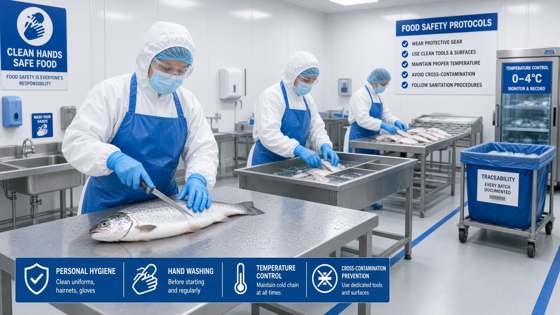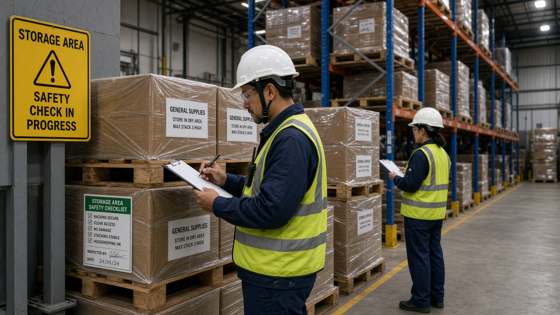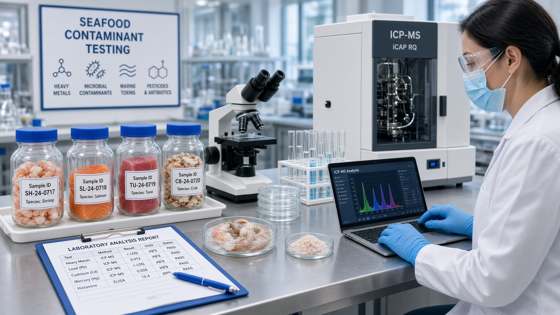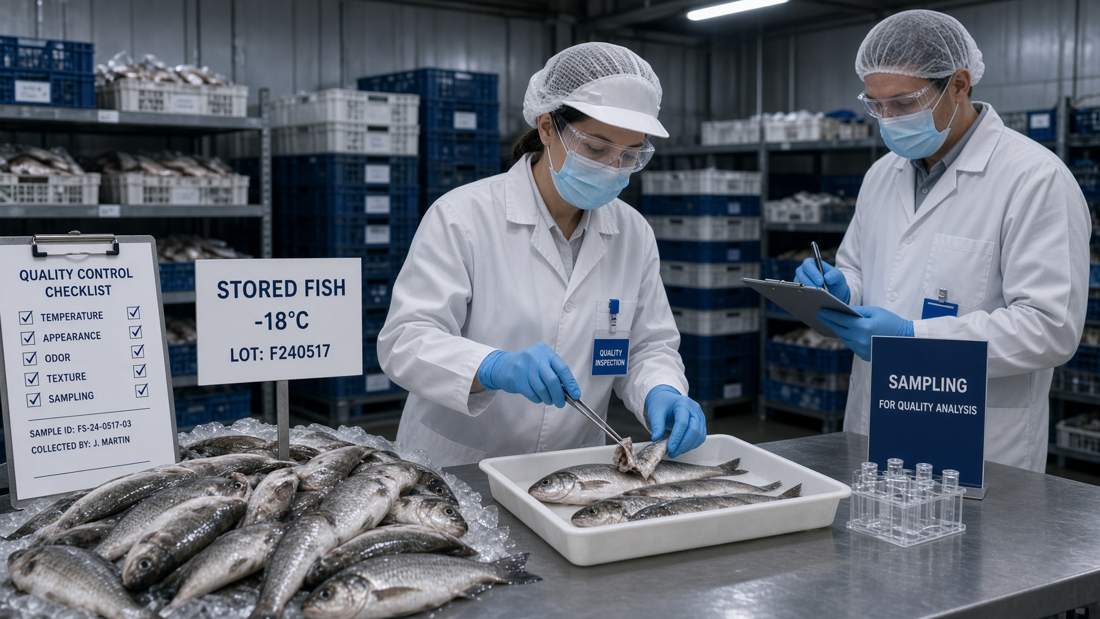
Third-party inspections compared side by side show that not every seal on a seafood package means the same thing. Some involve a government agency, some a private auditor hired by the company, and some a certification program with its own rulebook. Knowing which is which keeps you from over- or under-trusting a label.
The main kinds of checks
- Government inspection: carried out by public agencies under legal authority. The FDA oversees seafood processors and importers under its Seafood HACCP rules, state and local health departments inspect stores and restaurants, and USDA inspects catfish. These checks are mandatory, not optional.
- Voluntary government-run inspection services: NOAA Fisheries offers a voluntary, fee-for-service seafood inspection program for companies that want an agency to check product or facilities. Whether a mark appears on a package varies, so check current rules and program details with NOAA.
- Private food safety audits: businesses hire accredited certification bodies to audit them against recognized food safety schemes. Buyers such as large retailers often require these.
- Sustainability and farming certifications: programs like the Marine Stewardship Council and the Aquaculture Stewardship Council audit fisheries or farms, and carry a label for consumers.
Third-party inspections compared: what each one tells you
- Government inspection tells you the business is operating legally and has met the minimum standards. It does not rank quality.
- A private food safety audit tells you the business meets a standard set by an industry scheme, and it often goes beyond the legal minimum.
- A sustainability certification tells you about the fishery or farm, such as stock health and environmental practices, not about handling at the store.
- A chain-of-custody certificate tells you certified product was kept separate from uncertified product.
Third-party inspections compared: strengths and weaknesses
Government checks carry legal force but come at fixed intervals and cover enormous numbers of facilities, so they cannot see everything. Private audits can be deeper but are paid for by the audited company, and quality varies by scheme and auditor. Certification labels give consumers an easy signal, but the scope may be narrow. We discuss how audits work in supply chain audits in seafood.
Reading the labels in the store
- Look for the name of a program, not just a general claim of "certified" or "inspected".
- Check the program website to confirm a company or product is listed.
- Remember that safety and sustainability are separate: a sustainable fish can still be mishandled, and a safe product can come from an overfished stock.
- Compare with independent guides such as Seafood Watch ratings, which are described in sustainability ratings explained.
A simple rule of thumb
Use government inspection as the baseline, treat private audits as a plus, and treat certifications as answers to specific questions. If a label does not say who checked what, it is not telling you much. Many stores publish inspection results, and food safety inspections explains how to read them.
Third-party inspections compared in this way give you a plain method: ask who inspected, what they looked at and when.