Seafood fraud enforcement is the system of inspections, testing and legal action aimed at stopping sellers from passing off one fish as another, overstating weight, hiding origin or mislabeling farmed fish as wild. Knowing how it works helps you spot risks and shop with fewer worries.
What seafood fraud looks like
Fraud takes several forms. The best known is species substitution, where a cheaper fish is sold under the name of a more expensive one. Others include false claims about wild or farmed origin, wrong country of origin, hiding that fish was previously frozen, excess glazing or added water that inflates weight, and illegal catch passed into the market. Some mislabeling is deliberate and some is a supply chain error.
Who handles seafood fraud enforcement
- FDA: enforces the rules against misbranded and adulterated food, and publishes the Seafood List of acceptable market names for species. A product sold under the wrong name is misbranded.
- NOAA: its Office of Law Enforcement pursues violations of fisheries laws, including illegal harvest and trade, and its Seafood Import Monitoring Program tracks certain imported species.
- US Customs and Border Protection: handles import entries and origin marking at the border.
- States: attorneys general and state agencies can act on deceptive labeling and sales. Rules vary, so check current rules.
- USDA: oversees country-of-origin labeling at retail, described in country-of-origin disputes.
How cases are found
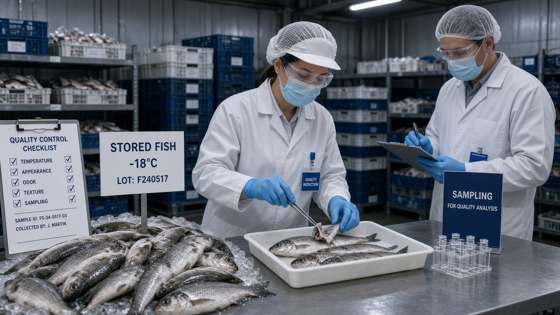
Agencies use inspections, document audits, tip-offs and laboratory tests. Genetic methods can confirm species, as explained in DNA testing in seafood authentication. Penalties depend on the law and the facts and can include fines, product seizure and criminal charges.
How to protect yourself when seafood fraud enforcement cannot be there
Regulators cannot check every fillet, so your habits matter.
- Be skeptical of prices far below normal for premium species like wild salmon, red snapper or bluefin tuna.
- Buy whole fish when you can. Gills, eyes and shape are hard to fake.
- Ask for the species name, origin and whether it was previously frozen, and look for tags and labels.
- Buy from sellers who can describe the supply chain.
- Check the species against the market names on the FDA's guidance, or read FishWatch profiles to know what the real fish looks like.
Reporting a suspected problem
If you believe you were sold mislabeled seafood, keep the receipt and packaging, photograph the label and tell the seller. You can also report to the FDA through its problem reporting page or to your state consumer protection office. Read the fresh versus frozen-thawed labeling article for another common concern.
Common types of mislabeling to watch for
- Species swaps: a lower-cost white fish sold under the name of a pricier one, or a farmed fish sold as a premium wild species.
- Weight tricks: heavy ice glaze or soaked scallops that add water weight. Ask how much of the weight is glaze or added liquid.
- Origin claims: "local" or "domestic" fish that came from elsewhere.
- Fresh versus thawed: fish sold as fresh that was frozen and thawed. Where the law requires disclosure, a sign should say so.
Why enforcement is hard
Seafood travels through many hands, across borders and often in processed form, so a fillet with no skin or head has few clues left. Thousands of species are traded, and some look almost identical once cut. Agencies have limited inspectors compared with the volume of product, which means they target sampling and investigations where risk is highest. That is why shoppers act as an extra layer of checking.
What happens after a violation is found
Outcomes depend on the law that was broken and the facts. Possible steps include warning letters, requiring the seller to correct labels, seizing product, fines, and in serious or repeated cases, criminal prosecution. Check current rules and agency announcements for specifics, as they change over time. Enforcement news usually appears on the websites of the agencies named above.
Practical buying habits that help
- Prefer sellers who write species names on signs and receipts.
- Keep the label or receipt until you have eaten the fish, so you can report a problem.
- Learn the usual season and price range for the fish you buy; out-of-season bargains deserve a question.
- Choose traceable products with lot codes or a way to look up the source.
Frequently asked questions
Is mislabeled seafood dangerous?
It can be. Besides cheating you on price, a swapped species could cause an allergic reaction or a health risk for people who avoid certain fish. For advice on which fish to limit, see the FDA guidance on eating fish.
Can I test fish at home?
No reliable home test exists. Rely on trusted sellers, whole fish and clear labeling.
Seafood fraud enforcement works best when shoppers keep records and ask questions, and a seller with nothing to hide welcomes both.