Antibiotic use in aquaculture is debated because it touches two things shoppers care about: whether residues end up on the plate, and whether heavy use on farms contributes to antibiotic-resistant bacteria. The picture varies enormously by country and species, so general claims in either direction are unreliable. What you can do is learn how oversight works and pick products accordingly.
Why farms use antibiotics at all
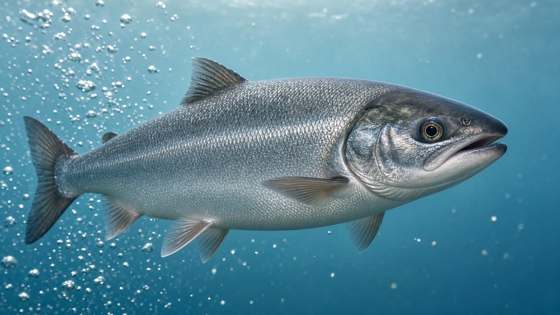
Like any animals kept in groups, fish and shrimp can get bacterial infections. Treatments, when needed, are meant to cure sick animals. Vaccines now prevent many diseases in fish, especially salmon, which has sharply reduced the need for medication in some regions; see vaccination in aquaculture. Good water quality and low stress help too, as described in fish health management.
What the antibiotic use in aquaculture debate is about
- Residues. Drugs left in tissue could be a concern if the animal is harvested before the drug clears. Regulators set withdrawal periods and test products.
- Resistance. Using antibiotics widely can encourage resistant bacteria in the environment, which is a public-health concern in food production generally.
- Uneven rules. Practices and oversight differ between countries. Some major producers use far less than others, and some have had enforcement problems.
How antibiotic use in aquaculture is regulated for shoppers
In the United States, drugs for food fish must be approved, and the FDA oversees seafood safety, including imported products, through inspection and testing; see the agency's seafood HACCP page. Shipments with prohibited drug residues can be refused entry. Rules in other countries and the European Union vary, so check current guidance if you buy imports. Farmed salmon is among the species where medication use is typically low in well-regulated countries, though numbers differ by region, so rely on reports from official sources rather than hearsay.
Do labels like "antibiotic-free" mean anything?
Treat them carefully. Claims should be backed by a recognized program, and the exact wording matters: "no antibiotics ever" is stronger than "no antibiotics at harvest." Certification standards such as Best Aquaculture Practices and the Aquaculture Stewardship Council place limits or conditions on antibiotic use and require records. Read their standards on their sites for the current rules.
How to shop with this in mind
- Look at origin on the label. Country-of-origin labeling applies to many fish and shellfish; see the USDA COOL page.
- Prefer certified products and read what the certification says about medicines.
- Consider species that generally need little treatment, such as farmed shellfish like oysters, mussels and clams, which are not fed and are rarely medicated.
- Use Seafood Watch to compare farms and countries.
Is it safe to eat farmed fish?
For most people, yes. Cooking does not remove drug residues, but regulation, withdrawal times and testing are designed to keep them below safe limits. The FDA advice about eating fish highlights the benefits of eating seafood, and most guidance recommends two to three servings per week of lower-mercury fish for most adults, though check current advice for pregnancy and children.
Antibiotic use in aquaculture is a legitimate question with a practical answer: choose labeled origin, certified farms and lower-risk species, and keep eating seafood you enjoy.