Vertical fish farming concepts describe systems that stack tanks, trays or culture units in layers, usually indoors, so that more fish can be raised in less floor space. The idea is appealing: fresh fish near cities, less land and water use, and tight control over conditions. As a shopper, you may meet products or marketing built around it, so here is a practical way to judge them.
How stacked systems work
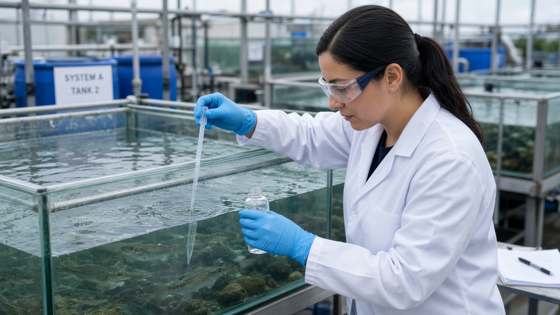
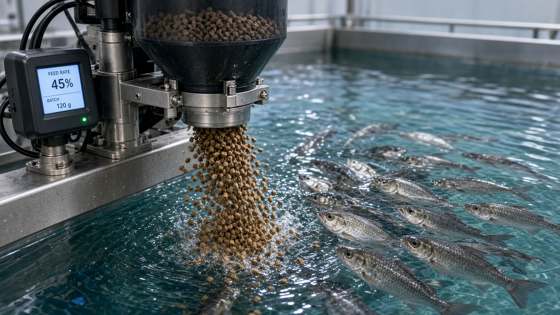
Most vertical designs use recirculating technology, where water is filtered and reused; see recirculating aquaculture systems. Tanks or channels are arranged in tiers, with pumps moving water between levels. Some systems pair fish with plants in vertical towers, a form of aquaponics covered in aquaponics: fish and plants together. Because everything happens indoors, temperature, light and water quality are managed continuously.
Claimed benefits of vertical fish farming concepts
- Small footprint. More production per square foot of building.
- Local supply. Fish raised near customers can be sold very fresh.
- Low water use. Reused water reduces consumption compared with flow-through systems.
- Biosecurity. No contact with wild fish lowers disease and parasite exposure.
- No escapes. Closed tanks keep fish contained.
Questions that vertical fish farming concepts raise
- Energy. Pumps, aeration, heating and lighting use electricity, and the carbon footprint depends on the energy source.
- Cost. Buildings and equipment are expensive, which can mean higher prices or financial strain; see financing a fish farm.
- Scale and species. Many such farms are small or newly started, and success depends on species and management.
- Taste. Properly managed systems give clean-tasting fish, but results vary.
How to judge claims at the counter
- Ask for the farm's name, species and feed source.
- Look for specifics such as energy source, certification or an independent rating rather than generic words like "eco" or "sustainable." Our guide to greenwashing in seafood marketing explains what to watch for.
- Check ratings at Seafood Watch and standards at the Aquaculture Stewardship Council.
- Compare the price per pound with other farmed options.
What to expect on the plate
Fish from indoor tanks is usually mild, with firm, clean flesh when the water and feed are well managed. Species such as trout, barramundi and tilapia suit simple cooking, like pan-searing, baking with lemon or steaming. Because the fish is often sold whole or as fresh fillets close to harvest, plan to cook it within a day or two.
Should you buy it?
If you enjoy trying new products and the fish is fresh, fairly priced and clearly labeled, it is a fine choice. If you are shopping on a tight budget, frozen farmed tilapia, trout or catfish are likely cheaper. Neither choice is wrong. A closed indoor system offers real benefits for biosecurity and traceability, but not every claim has been proven at commercial scale, so rely on evidence you can verify.
Safety and cooking
Cook to 145 F (63 C), keep fish refrigerated, and follow the FDA advice about eating fish. For raw use, ask the seller whether the fish is suitable.
Vertical fish farming concepts are an interesting piece of the future of seafood. For now, treat them like any new food product: ask questions, taste for yourself, and let price and quality guide the decision.