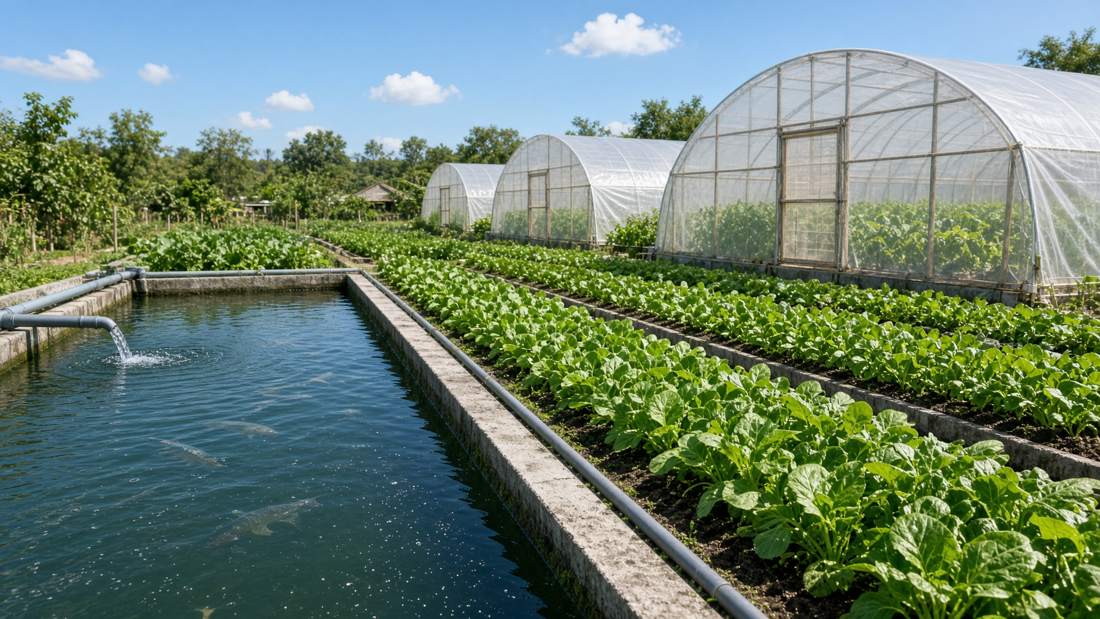
Aquaponics combines raising fish with growing plants in one connected system, and it is turning up at farmers markets, in grocery stores and in local box programs. The idea is simple and neat: the fish produce waste, bacteria convert it into plant nutrients, and the plants take up those nutrients, which helps clean the water before it flows back to the fish. If you see aquaponics on a label, this is what it should mean.
How an aquaponics system works
- Fish are raised in tanks and fed regularly.
- Their waste, mostly ammonia, goes through a biofilter where beneficial bacteria convert it to nitrate, a plant nutrient.
- That nutrient-rich water passes to plant beds, where lettuces, herbs and other crops take it up.
- Cleaner water returns to the fish tank.
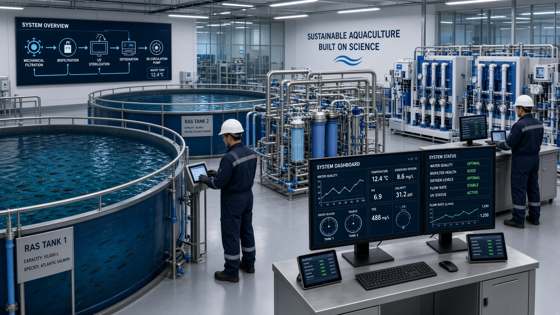
Because water is recirculated, it is related to the recirculating systems used for land-based fish farming, with plants added as a natural filter. It also uses much less water than conventional field irrigation.
What you can buy from aquaponics
Aquaponics fish
Tilapia is the classic aquaponic fish because it handles a range of water conditions, and some farms use trout, perch, catfish or other species. Quality depends on the farm's handling, so check freshness: clean smell, firm flesh and, for whole fish, bright eyes. See our tilapia guide for more.
The produce
Leafy greens, herbs and tomatoes are typical. Taste and texture can be very good, with fresh, tender leaves, and the product is often sold with roots attached or in small containers. These greens are grown indoors or in greenhouses, so they are usually available year round.
Reading the claims
- "Organic": rules for organic certification of hydroponic and aquaponic crops are debated in the US, and products on the market vary. Look for the USDA organic seal if it matters to you and check current rules.
- "Sustainable": ask about the energy source, fish feed and water use. Aquaponics can be efficient, but lights and pumps use electricity.
- "Local": a short supply chain helps freshness. Ask the farm or the vendor where the product was grown.
For sustainability ratings on the fish itself, look at Seafood Watch, and read the FDA's fish advice for general guidance on eating fish.
Handling tips
Wash produce well before eating, as with any fresh greens, and keep fish cold and cook it to 145 F. Our guide to ideal storage temperatures for fresh fish helps with storing it.
Is aquaponics better than regular farming?
It depends on what you value. Aquaponics can use far less water than field crops and can be placed near cities, which shortens the path from farm to shop. It does not need soil or most pesticides, though growers may still use controlled pest-management methods, so ask. On the other hand, it needs electricity for pumps and often for lighting and heating, and it works best for leafy greens and herbs, not for staple crops like grains. In other words, it is a good complement to traditional farms, not a replacement.
What to ask a vendor
- What fish are in the system, and what are they fed?
- Are the fish and plants sold fresh from the same farm?
- Is the farm inspected or certified by any third party?
- How soon after harvest does the produce reach the shop?
Aquaponics is a clever way to bring fish and vegetables from one local farm to your kitchen: ask about the species, the feed and the farm, and you can enjoy fresh produce and fish with a small environmental footprint.