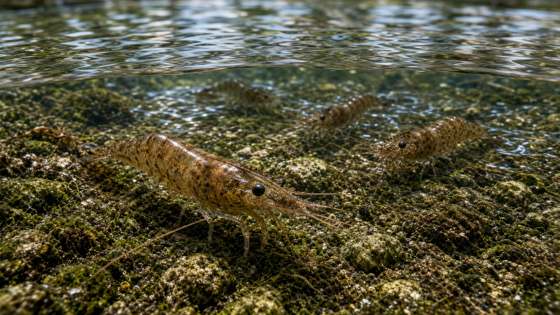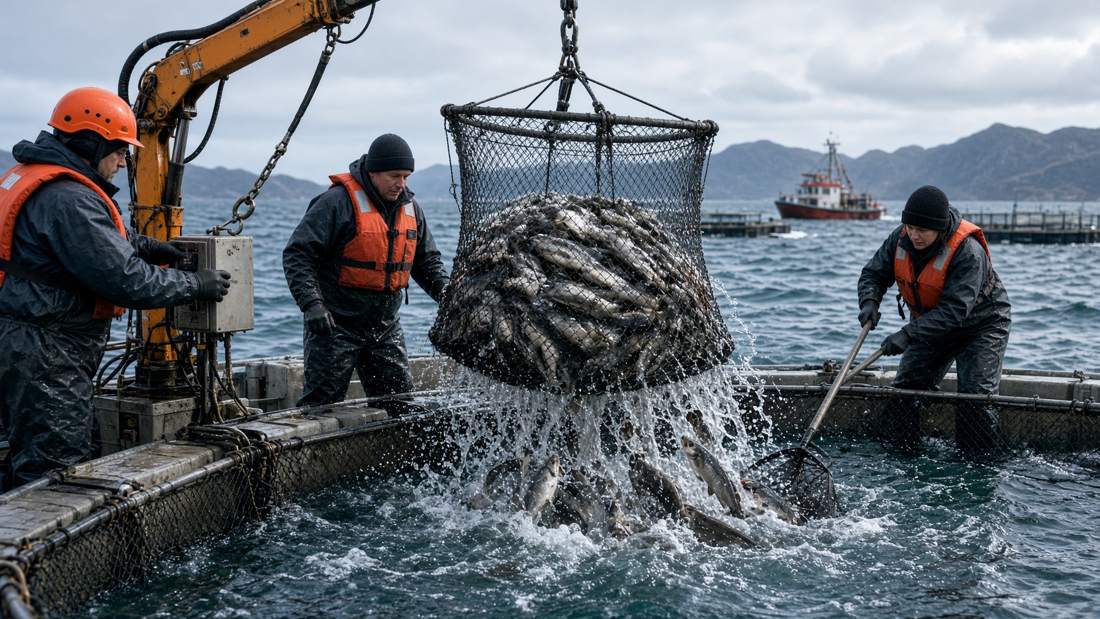
Pond aquaculture is the most common way the world raises fish and shrimp, and chances are the catfish, tilapia or shrimp in your freezer began life in an earthen pond. Understanding how a pond works explains why some pond-raised seafood tastes clean and sweet, why some tastes a little muddy, and why two bags of shrimp at similar prices can be very different products.
How pond aquaculture works
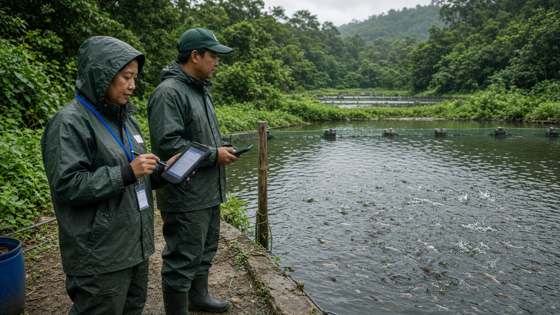
A fish pond is a shallow, constructed basin, usually with an earthen bottom, filled with fresh or brackish water. Young fish or shrimp are stocked, fed, and watched until they reach harvest size. The farmer manages oxygen, water quality and feeding, sometimes with mechanical aerators that churn the water. Ponds are cheaper to build than tank systems, which helps keep the end product affordable. In the southern United States, catfish are the classic pond-raised fish, as covered in our catfish farming guide.
Pond-raised fish taste: the earthy flavor question
Algae and bacteria in pond water can produce natural compounds, most famously geosmin, that give fish an earthy or muddy flavor. Reputable producers test fish before harvest and, if needed, delay harvest until the flavor clears. A well-handled pond fish should taste clean and mild. If a piece of catfish or tilapia tastes strongly of mud, it is a quality problem, and worth taking back to the store.
Fresh pond fish that are processed soon after harvest and frozen quickly generally hold their quality well, so do not assume frozen means lower quality. Our piece on fresh vs frozen nutrition and taste explains why.
Shrimp ponds and the label
Why origin matters for pond shrimp
Most farmed shrimp are raised in coastal ponds, and practices vary significantly by country and by farm. Some ponds have been built where mangrove forests once stood, which is an environmental concern covered in mangrove destruction and shrimp farming. Others are well-managed operations that follow strict standards. The practical solution is to look for certification (ASC or BAP) and check ratings at Seafood Watch rather than relying on price.
Pond aquaculture: safety and residues
Imported seafood is subject to FDA oversight, and the agency tests some shipments, for example for drug residues. For general safety guidance on what to eat and how often, see the FDA and EPA advice about eating fish. Third-party certifications also add farm-level audits.
Quick shopper checklist for pond-raised seafood
- Check the package for "farm-raised" and the country of origin.
- Look for ASC, BAP or other recognized certification marks.
- Choose fillets that look moist and firm with no strong off smell. Fresh fish should smell clean, not sour or muddy.
- For shrimp, check the ingredient list. Plain shrimp, or shrimp with a little salt, is the goal; avoid long lists of additives.
- Compare unit prices; the cheapest bag is not always the best value if quality is poor.
Is pond aquaculture sustainable?
It depends on the farm. Good pond operations recycle or treat water, use feed efficiently and avoid damaging nearby habitat. Poor ones can pollute waterways or destroy wetlands. This is why a certification or rating is more useful than the word "pond" on the label.
Knowing the pond aquaculture basics lets you choose with confidence: pick the species you like, check the origin and certification, and enjoy affordable, mild seafood that was raised with care.