Harvesting farmed fish humanely is both an ethical matter and a quality matter. How fish are handled in their final minutes affects whether they are stressed, and stress changes the flesh, shortening shelf life and dulling flavor. For shoppers who care about welfare or simply want the best fillet, it is worth knowing what good practice looks like.
What humane harvest means
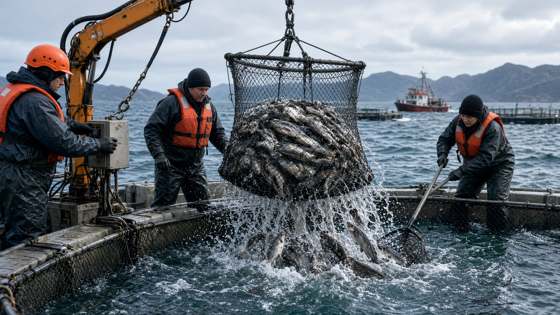
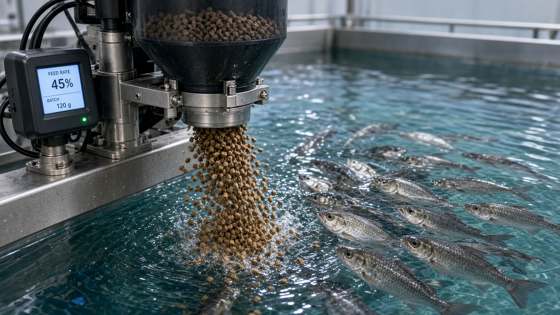
The goal is to render fish insensible quickly, with minimal handling stress, and ensure they do not recover before death. Methods vary by species and farm size. Commonly used approaches include percussive stunning, where a precise blow stuns the fish, and electrical stunning, where a current renders it unconscious. Other methods exist, and standards continue to develop. Farms that follow good practice keep fish out of water for as short a time as possible, avoid crowding, and fast fish for a period before harvest so that their guts are empty.
Why harvesting farmed fish humanely affects taste
When fish struggle or are stressed, they burn energy reserves and build up lactic acid, which can lead to softer flesh and a faster decline in freshness. Calm, quick harvests tend to produce firmer fillets with better color and a longer shelf life. This is why some premium producers highlight their stunning methods. Handling after harvest matters too: bleeding and chilling the fish quickly keeps the flesh clean tasting.
After harvesting farmed fish humanely: chilling and handling
- Fish are chilled immediately in ice slurry or cold water.
- Gutted or fillet-cut fish are packed in ice or refrigerated.
- Fish destined for freezing are often frozen shortly after harvest, which locks in quality.
For tips on spotting freshness yourself, see our guide on how to choose fish at the market, if you want to check handling at the counter.
Welfare standards and certifications
Welfare requirements vary by country. Some certification programs include fish welfare in their audits, covering stocking density, handling and slaughter. Look for programs such as the Aquaculture Stewardship Council or Best Aquaculture Practices, and read what their standards cover on their sites, since requirements change over time. If animal welfare is a priority, check aquaculture certification programs to compare, and be wary of vague claims such as "humanely raised" without a named standard behind them.
Questions to ask the seller
- How was this fish harvested, and is there a named welfare standard?
- Is the fish certified, and by whom?
- When was it harvested, and how has it been kept cold?
- Is the country of origin listed?
Is wild-caught any better?
Not necessarily. Wild fish are often caught in nets, hauled up from depth and left to suffocate on deck, and standards for killing vary widely. Neither wild nor farmed is automatically more humane, so judge each product by the information you can find. The Seafood Watch ratings focus on environmental impact and are a good starting point, though welfare is a separate matter.
What you can do at home
Buy whole fish only from sellers who handle it well, keep it on ice, and cook it within a day or two. Look for bright, clear eyes, firm flesh and a mild, clean smell.
Harvesting farmed fish humanely is not a marketing slogan; it shows up in the firmness, color and freshness of the fillet. When you ask questions, you encourage sellers to know and share how their fish was handled.