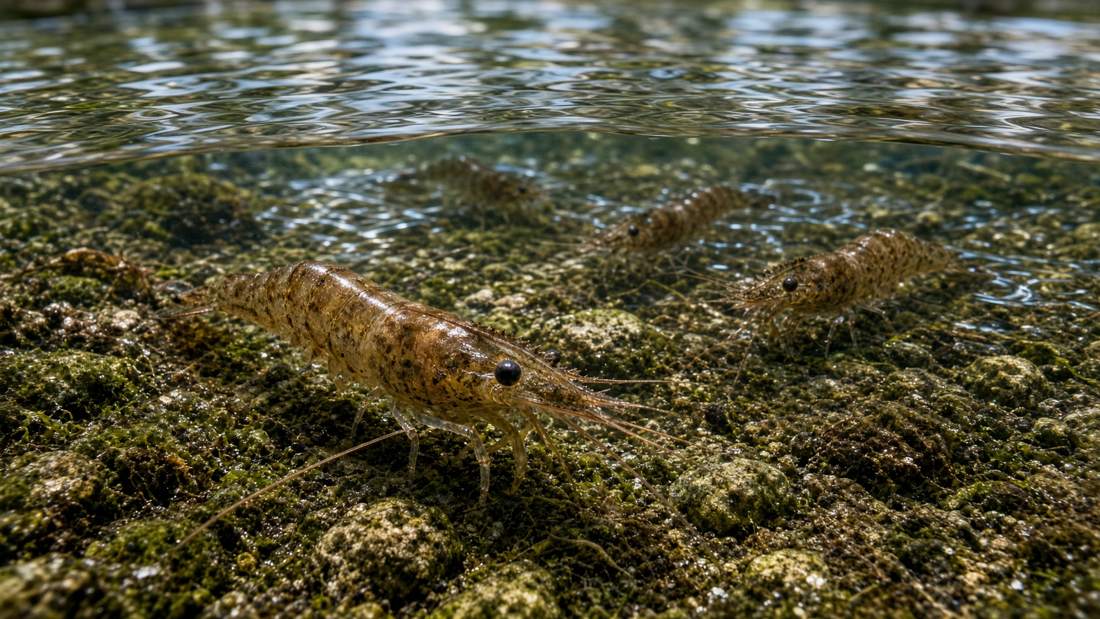
Genetics and selective breeding in aquaculture work much like the breeding that gave us today's chickens, cattle and wheat: farmers choose the best-performing parents so that each generation grows a little better. For shoppers, the effect shows up in price, yield, consistency and the health of the animals behind the fillet.
Genetics and selective breeding in aquaculture: the basics
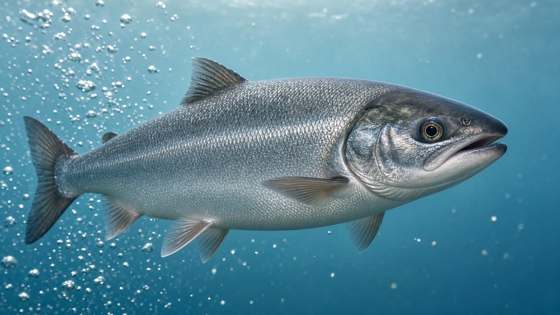
Selective breeding means picking fish that show useful traits and using them as parents. Traditional programs track family lines over many generations. Traits commonly selected include faster growth, better survival, resistance to specific diseases, and a higher share of edible meat. Because fish produce thousands of eggs, breeders can test many families and keep only the best, so progress can be quick compared with land animals.
Salmon, tilapia, rainbow trout and some shrimp and oysters have been through long breeding programs. Wild-caught fish have not, which is one reason wild and farmed fish of the same species can differ in fat, size and shape.
Why it matters to you
- Price. Faster-growing fish need less time and feed, which helps keep farmed fish affordable.
- Consistency. Selected lines produce more uniform fillets, which suits both home cooks and restaurants.
- Fewer treatments. Disease-resistant strains may need fewer medicines, which links to our article on fish health management.
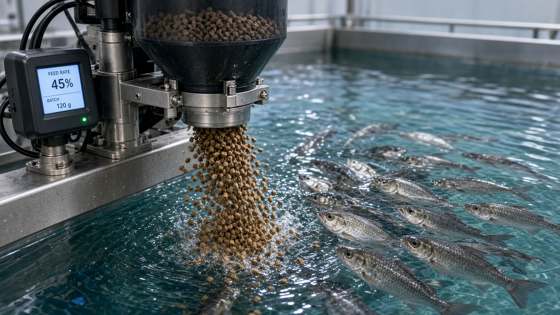
- Environmental efficiency. Better feed conversion means less feed per pound of fish.
Genetics and selective breeding in aquaculture versus GMOs
These are different things. Selective breeding uses natural variation within a species. Genetic engineering changes DNA directly. In the United States, one genetically engineered farmed salmon has been approved by the FDA, and it is sold with bioengineered food disclosure rules in mind. Most farmed fish in stores comes from conventionally bred stock, not engineered stock. If this matters to you, look at the label, ask the counter, or choose products with a non-GMO claim and read what it covers. The FDA's seafood consumer pages and the agency's biotechnology resources describe current rules, so check them for updates.
Risks and trade-offs
Critics raise reasonable points. Narrow genetic diversity can leave a population exposed if a new disease appears, and escaped farmed fish can interbreed with wild relatives, a concern we cover in escapes and genetic pollution. Good programs manage inbreeding with careful records and keep a spread of family lines. Sterile fish are sometimes used in open-water farming to reduce the risk of breeding with wild stocks.
Taste, texture and color
Breeding can influence fat content, flesh firmness and fillet shape, but diet and water conditions matter as much. Salmon flesh color, for example, comes largely from pigments in feed. Our guide to feed formulation for farmed fish explains how that works.
What to look for when buying
- Choose fish with a named species and country of origin.
- Look for certifications that audit farm practices, such as ASC or BAP.
- If you want to avoid genetically engineered products, ask about the source and read the packaging.
- Check Seafood Watch ratings for the farm type and country.
Selective breeding is a quiet reason farmed fish is affordable and consistent. Understanding genetics and selective breeding in aquaculture helps you separate sensible science from marketing noise, and choose by evidence rather than worry.