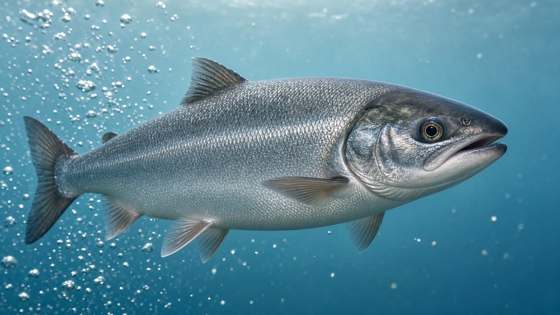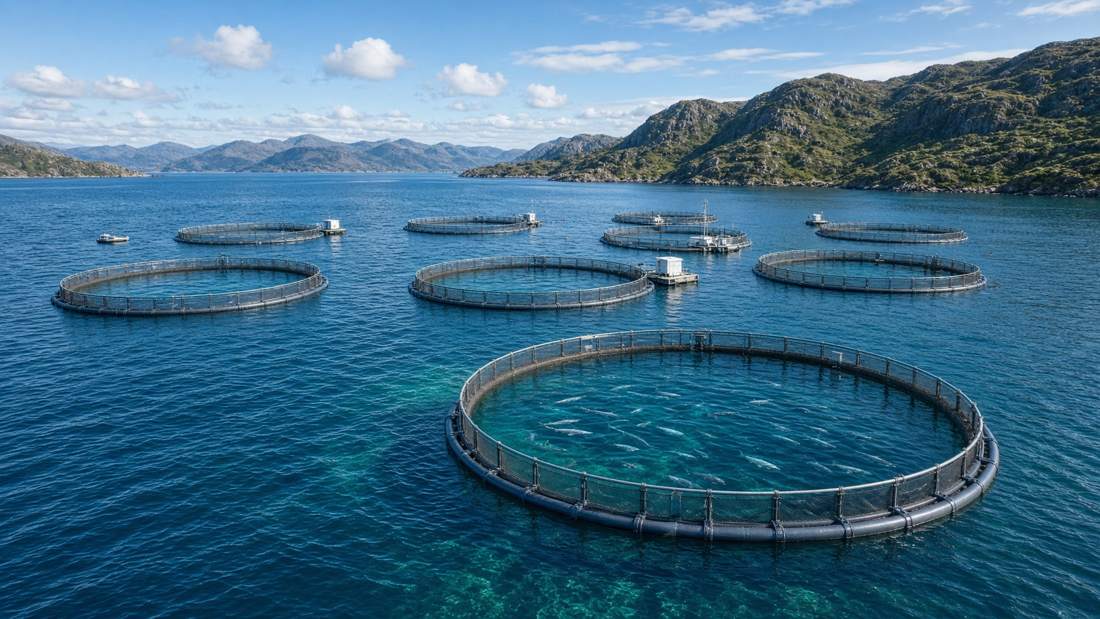
Escapes and genetic pollution concerns are among the most debated issues around farmed fish, especially salmon raised in open ocean pens. If you have wondered whether buying farmed fish harms wild populations, the honest answer is that it depends on the species, the place and the way the farm is built. You can use that knowledge to choose.
What an escape looks like
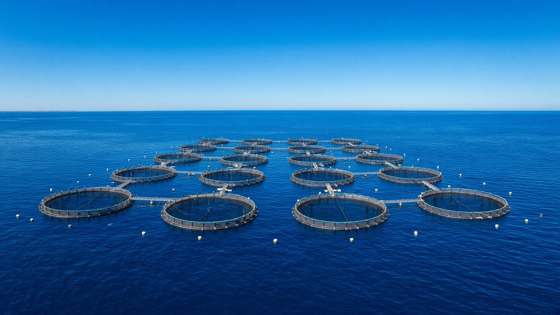
Fish escape when nets tear, storms damage pens, predators such as seals break through, or mistakes happen during handling and transport. Farms that raise fish in ponds or tanks on land have far fewer escapes than farms using open net pens in the sea, because their water is contained. Escape numbers can range from a handful to many thousands in a single event, and operators in many places are required to report escapes.
Why escapes and genetic pollution concerns matter
Farmed fish are bred for growth and farm conditions, not survival in the wild. Scientists worry about several effects:
- Interbreeding. If escaped fish breed with wild fish of the same species, offspring may be less well adapted, which can reduce the fitness of wild populations. This is called genetic pollution or introgression.
- Competition. Escaped fish can compete with wild fish for food and habitat.
- Disease. Farmed escapees might carry pathogens or parasites.
- Non-native species. A farmed species placed outside its home range can become invasive.
The risk is greatest where wild populations are small or already stressed. For the broader picture, see environmental impact of fish farms.
How farms reduce escapes and genetic pollution concerns
- Stronger nets, better moorings and regular inspections.
- Locating farms in more sheltered sites, or using offshore designs, covered in offshore aquaculture.
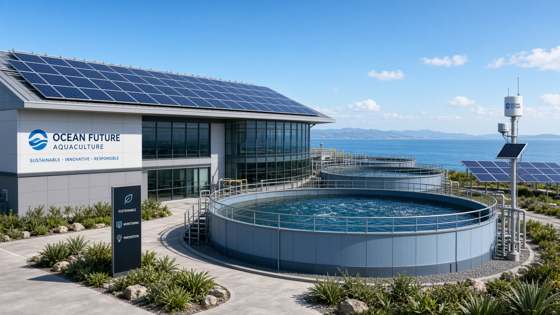
- Raising fish in closed tanks on land; see recirculating aquaculture systems.
- Using sterile fish, so escapees cannot breed, in some operations.
- Raising species that are native to the region or that cannot survive local winters.
Does it affect the fish you eat?
An escape does not make the fillet unsafe. It is an ecological concern, not a food-safety one. Quality depends on feed, water, handling and freshness, as covered in our other guides.
Using this knowledge when shopping
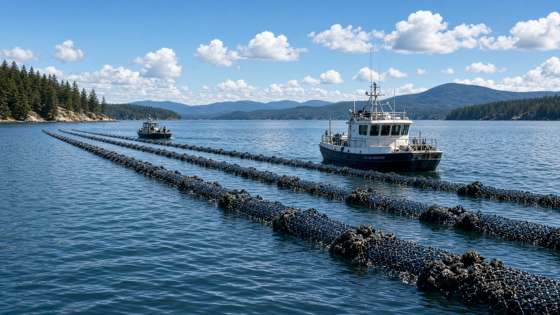
- Choose species that are raised in tanks, ponds or closed systems where this risk is lower, or species with no wild relatives nearby.
- Look for certifications whose standards address escapes, such as the Aquaculture Stewardship Council.
- Check Seafood Watch ratings, which consider escape risk for farmed species.
- Ask about origin. Rules on farm siting and reporting escapes differ between countries, so check the farm's country.
Weighing it against alternatives
Wild-caught fish has its own concerns, including overfishing and bycatch. Choosing farmed fish can ease pressure on wild stocks when farms are well run. NOAA explains how U.S. farms are regulated on its aquaculture topic page. Many shoppers split their choices: farmed shellfish and tank-raised fish for lower risk, and responsibly caught wild fish for variety.
Escapes and genetic pollution concerns are real but manageable, and your purchases can nudge the market toward closed systems, better siting and honest reporting.