Parasite control in fish farms sounds like a problem for farmers, but it shows up in your kitchen in three ways: how the fish was raised, how safe it is to eat raw, and how much treatment the animals needed along the way. Most parasites that bother fish do not harm people who eat properly cooked seafood, yet a few matter if you make sushi, ceviche or cured fish at home.
Why parasite control in fish farms is necessary
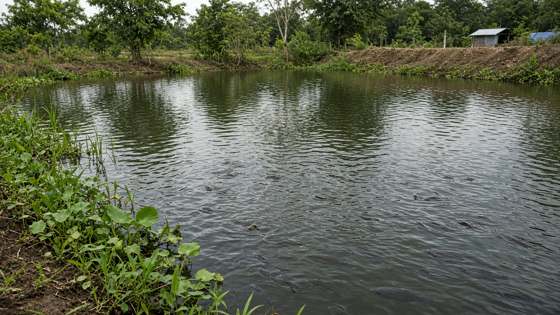
Any animal kept in numbers is exposed to pests, and fish are no exception. In salmon farming, the best-known pest is the sea louse, a small crustacean that attaches to the skin of the fish and feeds on mucus and tissue. Left unchecked, heavy infestations stress the fish, damage the skin and can spread to wild fish passing near the pens. Freshwater and pond-raised species have their own parasites, including flukes and protozoa.
Sea lice do not infect people, and a louse on the skin does not change the safety of the fillet. What matters to you is the effort that goes into keeping numbers low, because stressed fish grow poorly and a farm with chronic problems usually struggles to supply consistent quality.
How farmers keep parasites down
Modern farms rely on a mix of prevention and treatment rather than one fix. Common approaches include:
- Stocking fish in separate year-classes and leaving sites empty for a rest period between crops, which breaks the parasite cycle.
- Placing pens where currents flush water through and keeping stocking density moderate.
- Using cleaner fish, such as lumpfish or wrasse, that eat lice off the salmon.
- Mechanical or warm-water treatments that remove lice without medication.
- Veterinary-prescribed treatments used when numbers rise, with withdrawal periods before harvest set by regulators.
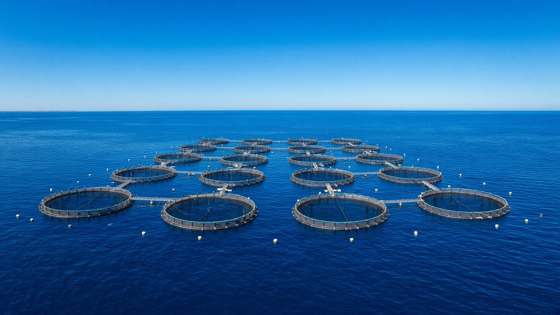
Closed or land-based tanks, covered in our guide to recirculating aquaculture systems, avoid many parasite problems because there is no wild water contact. Open pens, discussed in net-pen farming pros and cons, depend more on active management.
Parasites and eating fish raw
This is the part most home cooks care about. Wild fish can carry roundworms and tapeworms that are killed by thorough cooking. Raw or lightly cured fish is a different matter, which is why the FDA gives guidance on freezing fish intended for raw eating. Check the FDA advice about eating fish and the agency's hazards guidance for current freezing times and temperatures, because they vary by method.
In general, fish raised in aquaculture on pelleted feed have a much lower parasite risk than wild-caught fish, because they are not eating the wild prey that carries these worms. That is why regulators treat some farmed fish differently in raw-fish rules. It is not a guarantee, so buy raw-grade fish from a seller who says it is intended for raw use, and ask how it was handled.
Parasite control in fish farms and your raw-fish rules
- Ask the counter whether the fish is sold for raw eating and how it was frozen or raised.
- Keep it cold, and eat it soon after thawing.
- If you are pregnant, elderly or have a weakened immune system, skip raw fish and cook to a safe internal temperature.
- Cook other fish until it flakes easily; the FDA recommends 145 F (63 C) internal temperature.
Treatments, residues and what you can check
A common worry is whether anti-parasite drugs end up in the fillet. In the United States, drugs for food fish must be approved, and a withdrawal period must pass before harvest. Seafood is also tested under federal programs. Our article on antibiotic use in aquaculture covers the wider debate. You cannot see treatment history on a label, but certification programs set limits and require records. The Aquaculture Stewardship Council is one example of a label that audits farm practices, including fish health.
How to choose with parasites in mind
- Look for a certification logo and a named country or farm of origin.
- Check for firm, glossy flesh, a clean smell and no visible worms or cysts; if you see any, cook the fish thoroughly or return it.
- Buy fish meant for raw dishes only from sellers who label it that way.
- Store at the coldest part of the refrigerator and use within a day or two.
Good parasite control in fish farms means calmer, healthier animals and fewer treatments, which usually translates to better texture and a more reliable supply. For everyday cooked meals, farmed fish is a safe choice; for raw dishes, rely on labeling and a seller you trust.